Getting All-on-4® dental implants with sleep apnea may still be possible, but sleep apnea is an important condition to discuss before implant surgery. It can influence decisions surrounding sedation, medications, airway management, postoperative monitoring, and how you use a CPAP machine during recovery.
Sleep apnea is also not one identical condition in every patient. Someone with mild, well-managed obstructive sleep apnea may have very different considerations from someone with severe sleep apnea or other significant medical conditions.
This is why your implant team needs to know about your diagnosis before treatment begins.
Do not leave sleep apnea off your medical history simply because it happens while you are asleep. It can be highly relevant when planning a surgical procedure.
Why Does Sleep Apnea Matter for Dental Implant Surgery?
Obstructive sleep apnea occurs when the upper airway repeatedly becomes narrowed or blocked during sleep, interfering with normal breathing.
Many people manage the condition with CPAP therapy, which uses positive airway pressure to help keep the airway open.
When planning All-on-4® treatment, your dental team needs to understand whether you have sleep apnea, how it is being treated, and whether sedation or certain medications will be involved.
Medications that cause sedation can affect breathing and airway muscle tone. Because sleep apnea already involves airway obstruction during sleep, this history is important when determining how a procedure should be approached.
It does not automatically prevent treatment.
It simply becomes part of the safety planning.
Tell Your Dental Team Even if Your Sleep Apnea Is Well Controlled
Some patients assume they only need to disclose serious or uncontrolled medical problems.
That is not how a medical history works.
If you have been diagnosed with sleep apnea, tell your dental team even if you use your CPAP every night and feel completely healthy.
They may ask how severe your condition is, whether you use CPAP, whether you have undergone a sleep study, and whether you have other medical conditions.
If you know your CPAP settings or have information from your sleep physician, keep it available in case it is requested.
You should also provide an accurate medication list.
The goal is not to make treatment more complicated. The goal is to give your providers the information necessary to plan appropriately.
Sleep Apnea and Sedation
Sedation is one of the biggest reasons sleep apnea deserves special attention before All-on-4® surgery.
Patients often ask whether they can be asleep or heavily relaxed during extensive dental implant treatment.
The answer depends on the individual, the type of sedation being considered, the clinical setting, and the patient’s medical history.
Sleep apnea may influence the way sedation is planned because sedating medications can affect breathing.
Your dental team needs to evaluate this before treatment rather than discovering your sleep apnea on the morning of surgery.
If another anesthesia professional is involved in your care, they also need an accurate medical history.
Never hide sleep apnea because you are worried you will not be allowed to receive sedation.
Can You Use a CPAP After All-on-4® Surgery?
If you normally use CPAP, one of your first postoperative questions may be whether you can continue using it after surgery.
Do not make this decision on your own.
The answer can depend on what was done during your procedure.
For some patients, the treatment may involve only the implant sites and extractions. Others may require additional procedures involving the upper jaw, bone, or areas near the sinuses.
Positive airway pressure can become particularly relevant when certain sinus-related procedures have been performed.
Your surgeon needs to give you instructions based on your actual treatment.
Before surgery, ask specifically:
“When I go home tonight, should I use my CPAP normally?”
That is much better than trying to figure it out when you are tired, sore, and ready for bed.
What if You Use a Full-Face CPAP Mask?
The style of CPAP mask you use can also be worth discussing.
A full-face mask may place pressure against portions of the face that could be tender or swollen after oral surgery.
A nasal mask or nasal pillows interact with the face differently.
That does not mean you should independently switch your mask or stop therapy.
Tell your dental team what type of CPAP equipment you normally use.
If changes are needed during recovery, those decisions should be coordinated with the appropriate healthcare provider.
Comfort matters, but maintaining appropriate treatment for your sleep apnea matters too.
Do Not Simply Stop CPAP Because Your Mouth Is Sore
This is important.
If you rely on CPAP to manage diagnosed sleep apnea, do not decide that you will stop using it for several nights after surgery without medical guidance.
You may be focused on protecting your implants, but your sleep apnea is still a medical condition that needs to be managed.
Talk about CPAP before surgery.
Your dental team can tell you whether your particular procedure creates any special considerations, and your sleep medicine provider can be involved if necessary.
Planning ahead is much easier than improvising after treatment.
Will All-on-4® Dental Implants Cure Sleep Apnea?
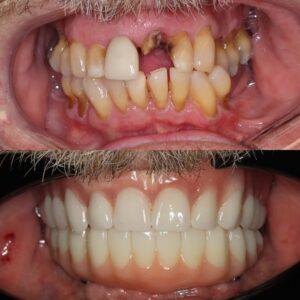
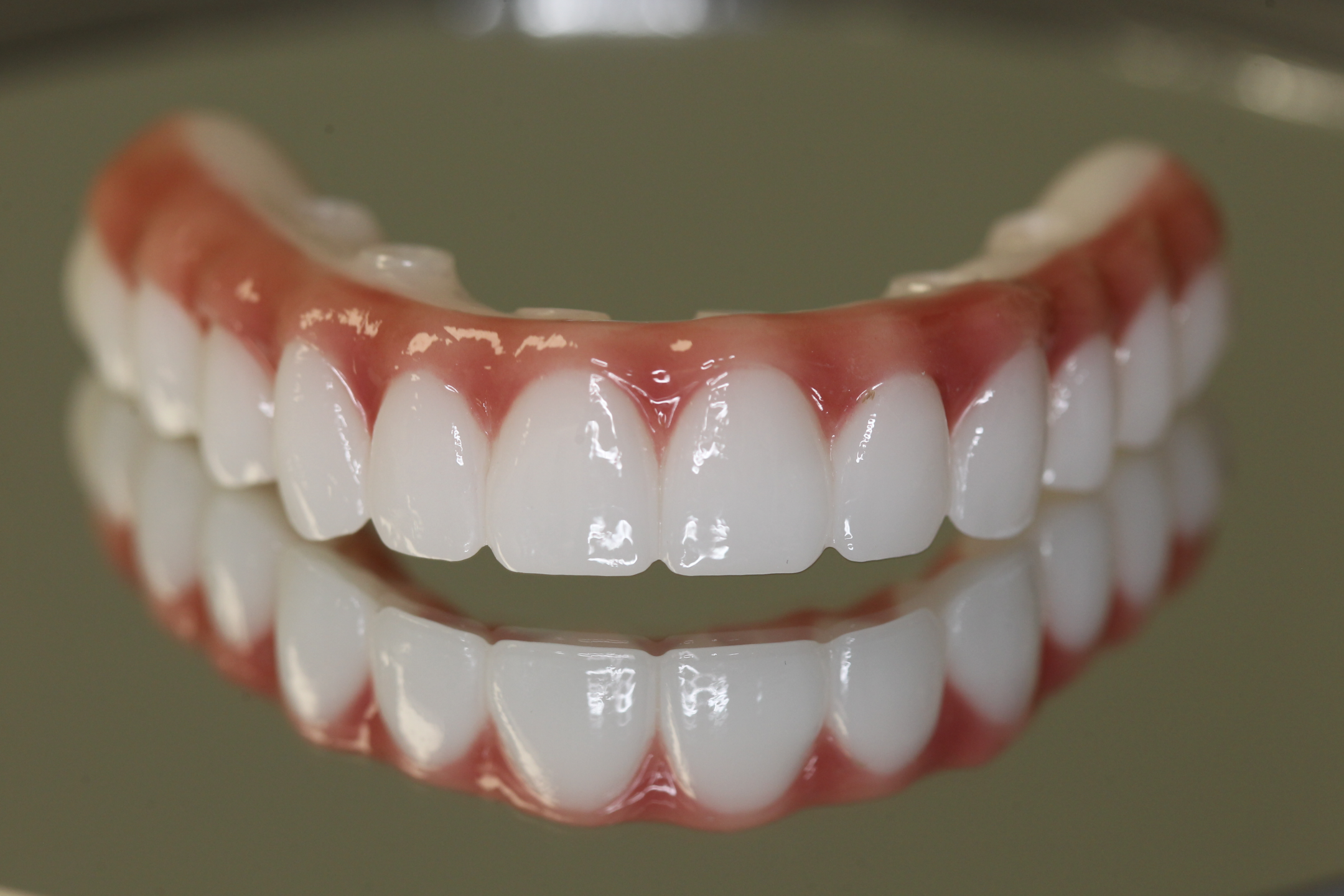
All-on-4® is a treatment for replacing a full arch of failing or missing teeth.
It is not, by itself, a treatment for obstructive sleep apnea.
Receiving dental implants does not mean you should stop CPAP or another sleep apnea treatment prescribed by your medical provider.
There are dental appliances specifically used in some cases of obstructive sleep apnea, but those are different from a fixed All-on-4® restoration.
If you are interested in changing your sleep apnea treatment, discuss that with the healthcare professional managing the condition.
Do not assume new teeth have eliminated the underlying airway problem.
What About Oral Sleep Apnea Appliances?
Some patients manage obstructive sleep apnea with an oral appliance rather than CPAP.
If you use one, bring that information to your implant consultation.
A full arch implant restoration changes the dental structures the appliance interacts with.
An appliance that fit your natural teeth before All-on-4® treatment may no longer fit your new restoration appropriately.
Do not force an old sleep appliance onto new All-on-4® teeth.
Your dental and sleep medicine providers may need to determine what is appropriate after your dental treatment.
This is something worth discussing before surgery rather than discovering after you receive your new teeth.
Sleeping After All-on-4® Surgery
Even patients without sleep apnea may need to modify their sleeping routine temporarily after All-on-4® surgery.
Your dental team may recommend sleeping with your head elevated during the early recovery period to help manage swelling and discomfort.
If you have sleep apnea, follow both your postoperative instructions and the guidance for managing your sleep disorder.
Do not assume that sleeping upright eliminates the need for your prescribed sleep apnea therapy.
Likewise, do not change CPAP pressure settings on your own because you recently had dental surgery.
If the two sets of instructions appear to conflict, contact your providers and ask.
What About Pain Medication?
Medication is another reason your medical history matters.
Some pain medications and other drugs can cause drowsiness or affect breathing. This can be particularly important for someone with obstructive sleep apnea.
Your dental team needs to know about your condition when deciding which medications are appropriate.
Take medications only as directed.
Do not take additional sedating medications, alcohol, sleep aids, or other substances simply because you are having trouble sleeping after surgery unless your healthcare provider has said they are appropriate.
More sedation is not always better sleep, particularly when sleep apnea is involved.
What if You Think You Have Sleep Apnea but Have Never Been Diagnosed?
Tell your healthcare providers about your concerns.
Symptoms associated with obstructive sleep apnea can include loud snoring, witnessed pauses in breathing during sleep, gasping or choking during sleep, morning headaches, and excessive daytime sleepiness.
Those symptoms do not prove that you have sleep apnea.
A proper medical evaluation is needed.
If you have been told repeatedly that you stop breathing while sleeping but have never discussed it with a healthcare provider, mention it before a procedure involving sedation.
Do not diagnose yourself from a checklist, but do not ignore a significant concern either.
Sleep Apnea Often Exists Alongside Other Health Conditions
Sleep apnea can occur alongside conditions such as high blood pressure and cardiovascular disease.
This makes a complete medical history especially important.
Your dental team should know if you have hypertension, heart disease, diabetes, previous cardiovascular events, or other significant conditions in addition to sleep apnea.
One diagnosis should not be viewed in isolation.
All-on-4® treatment planning involves understanding the patient as a whole.
A person may have adequate jawbone for implants but still need additional medical considerations before elective surgery.
Dental candidacy is about more than bone.
What Should You Bring to Your Consultation?
Bring an accurate medication list and be prepared to discuss your medical history.
Tell your dental team whether you use CPAP or another device for sleep apnea.
If you know the type of mask you use, mention that too.
If your sleep apnea is being managed by a physician or sleep specialist, provide their information if requested.
You do not necessarily need to arrive with a binder full of medical records.
The important thing is to answer questions accurately and allow your dental team to request additional information if they need it.
Can Sleep Apnea Affect Healing?
Sleep is an important part of overall health and recovery, but implant healing is influenced by many factors.
Smoking, diabetes control, oral hygiene, bone quality, nutrition, medications, and following postoperative instructions can all matter.
Sleep apnea alone does not allow anyone to predict whether an implant will successfully integrate.
The goal is to manage known health conditions appropriately rather than looking for one factor that guarantees success or failure.
This is also why comparing your recovery with someone online is rarely useful.
Their health history may be completely different from yours.
Do Not Let Sleep Apnea Stop You From Asking About Your Options
Some patients with medical conditions assume they will automatically be told they cannot receive dental implants.
That can keep them from even scheduling a consultation.
A consultation is where those questions should be answered.
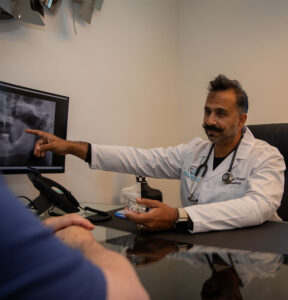
Your dentist can evaluate your mouth while also reviewing your health history. If additional medical information is necessary, it can be obtained before a final treatment decision is made.
There may be additional precautions.
There may be coordination with another provider.
Or your dental team may determine that your current management is appropriate for the treatment being considered.
You will not know until your individual situation is evaluated.
Can You Get All-on-4® Dental Implants if You Have Sleep Apnea?
All-on-4® dental implants with sleep apnea may be possible, but the condition needs to be included in your treatment planning. Sleep apnea can be particularly relevant when considering sedation, postoperative medications, airway management, and CPAP use after surgery.
Tell your dental team about your diagnosis, the treatment you use, and any other medical conditions or medications. Do not stop CPAP, change its settings, or discontinue prescribed medication without guidance from the appropriate healthcare professional.
At Full Arch Dental Implant Center in Lake Havasu City, evaluating a patient for All-on-4® treatment means looking beyond the teeth alone. Understanding medical conditions such as sleep apnea helps the dental team plan treatment around the person receiving the new smile, not simply the implants being placed.