For people who have experienced years of sinus pressure, congestion, or recurring sinus infections, the thought of undergoing dental implant surgery in the upper jaw can raise understandable concerns. The upper teeth sit close to the sinus cavities, and many patients wonder whether existing sinus problems could interfere with implant placement or healing.
The relationship between All-on-4® with sinus problems is an important consideration during treatment planning, particularly for patients who need a complete upper arch of replacement teeth.
A history of sinus infections does not automatically prevent someone from receiving dental implants. However, the condition of the sinuses, the amount of available jawbone, and the location of the proposed implants must be evaluated carefully.
For some patients, treatment can proceed without significant changes to the original plan. Others may require additional imaging, medical evaluation, or treatment of an existing sinus condition before surgery.
Understanding how the upper jaw and sinus cavities relate to one another can help patients approach full arch dental implant treatment with realistic expectations.
Why Are the Sinuses Important in Dental Implant Surgery?
The maxillary sinuses are air-filled spaces located within the upper jaw region, generally above the upper back teeth.
These cavities are lined with a thin membrane and are part of the larger sinus system.
Their size and shape vary considerably between individuals.
In some people, the floor of the maxillary sinus sits relatively close to the roots of the upper molars and premolars.
This anatomical relationship becomes important when planning dental implants.
Dental implants require adequate bone support, and the dentist must determine whether the proposed implant positions provide sufficient stability without unnecessarily affecting nearby anatomical structures.
For upper arch treatment, this includes evaluating the relationship between the jawbone and the sinus cavities.
Careful imaging and planning help the dental team identify appropriate implant positions.
Can Chronic Sinusitis Affect Dental Implant Treatment?
Chronic sinusitis involves persistent inflammation of the tissues lining the sinuses.
Patients may experience nasal congestion, facial pressure, reduced sense of smell, drainage, or other symptoms.
The condition can have several contributing factors, including inflammation, allergies, anatomical differences, and certain infections.
For patients considering All-on-4® with sinus problems, the primary concern is whether an active or poorly controlled sinus condition could complicate treatment.
Not every patient with chronic sinusitis needs to delay dental implant surgery.
However, persistent symptoms or evidence of significant sinus disease may require additional evaluation.
Your dentist may recommend consulting an ear, nose, and throat specialist when appropriate.
The goal is to understand the underlying condition and determine whether it should be treated before implant placement.
What Is the Connection Between Missing Teeth and the Sinuses?
When upper back teeth are lost, the surrounding jawbone can gradually change.
The bone that previously supported the tooth roots may decrease in volume over time.
In addition, the maxillary sinus can expand into portions of the space previously occupied by bone.
This process is sometimes referred to as sinus pneumatization.
As a result, patients who have been missing upper teeth for many years may have less available bone beneath the sinus cavities.
This can influence where dental implants can be placed.
However, the amount of bone loss varies significantly between patients.
Some individuals retain sufficient bone for conventional implant placement, while others require alternative approaches.
A comprehensive examination is necessary to determine which options are appropriate.
All-on-4® With Sinus Problems: How Does Treatment Planning Work?
Planning All-on-4® with sinus problems begins with evaluating the anatomy of the upper jaw.
All-on-4® treatment uses strategically positioned dental implants to support a fixed full arch restoration.
In the upper jaw, the implant positions are selected based on available bone, anatomical structures, and restorative requirements.
The posterior implants may be angled to make use of available bone while avoiding certain anatomical limitations.
This approach can sometimes reduce the need for additional bone grafting procedures.
However, angling implants does not eliminate every anatomical concern.
The dentist must still evaluate the relationship between the planned implant positions and the sinus cavities.
Patients with unusual sinus anatomy, extensive bone loss, or active sinus disease may require a modified treatment plan.
Why Three-Dimensional Imaging Matters
Traditional dental X-rays provide valuable information, but certain implant cases benefit from three-dimensional imaging.
Cone beam computed tomography, commonly called CBCT, can help the dental team evaluate the jawbone and surrounding anatomical structures.
For upper arch treatment, these images can provide information about the location and shape of the maxillary sinuses.
They can also help assess available bone volume and identify anatomical features relevant to implant placement.
In some patients, imaging may reveal changes in the sinus lining or other findings that require further consideration.
However, an imaging abnormality does not always indicate an active infection.
The dentist must interpret the findings alongside the patient’s symptoms and medical history.
Additional medical evaluation may be recommended when the findings suggest a condition requiring attention.
Can Dental Implants Cause Sinus Problems?
Dental implants placed in the upper jaw are generally planned to avoid unnecessary interference with the sinus cavities.
However, sinus-related complications can occur in certain circumstances.
Potential concerns include inflammation, infection, or problems involving the relationship between an implant and the sinus cavity.
These complications are not inevitable and should not be assumed to occur simply because implants are placed near the sinuses.
Appropriate imaging, surgical planning, and clinical technique help reduce avoidable risks.
Patients should also understand that sinus symptoms developing after dental implant surgery are not always caused by the implants.
Allergies, respiratory infections, and other medical conditions can produce similar symptoms.
A professional evaluation is necessary to identify the cause.
What if You Have Frequent Sinus Infections?
Patients who experience recurring sinus infections should discuss that history during their implant consultation.
Your dentist may ask how frequently the infections occur, whether you have received treatment, and whether symptoms are currently present.
It is also helpful to mention previous sinus surgery, chronic nasal congestion, or ongoing treatment with an ear, nose, and throat specialist.
These details can influence treatment planning.
If there is evidence of an active sinus infection, your dentist may recommend addressing the condition before proceeding with elective implant surgery.
The appropriate timing depends on the diagnosis and the treatment required.
Patients should not assume that every episode of congestion requires postponing surgery, but persistent or significant symptoms deserve evaluation.
Can an Infected Tooth Cause Sinus Problems?
In some cases, dental infections can contribute to inflammation or infection involving the maxillary sinus.
This condition is often referred to as odontogenic sinusitis.
It may occur when an infection involving an upper tooth affects the nearby sinus cavity.
Patients with odontogenic sinusitis may experience symptoms similar to other forms of sinus disease.
These can include congestion, facial pressure, and nasal drainage.
Sometimes the symptoms occur predominantly on one side.
However, symptoms alone cannot establish the diagnosis.
Dental and medical evaluation may be necessary to determine whether a tooth is contributing to the sinus condition.
If a dental infection is identified, treating the source is an important part of managing the problem.
Patients considering full arch implants should disclose any history of recurring upper tooth infections or unexplained sinus symptoms.
Do You Need a Sinus Lift Before All-on-4®?
A sinus lift is a bone augmentation procedure used in selected patients who need additional bone height in the posterior upper jaw.
During the procedure, the sinus membrane is carefully elevated and bone grafting material may be placed to create additional support for future implants.
However, not every patient receiving upper dental implants requires a sinus lift.
All-on-4® treatment may use angled posterior implants to take advantage of available bone and avoid certain areas near the sinus.
This can sometimes reduce the need for sinus augmentation.
Nevertheless, the technique is not appropriate for every anatomical situation.
Patients with extensive bone loss may require other surgical approaches.
Your dentist will determine whether sufficient bone is available for the proposed implant positions.
What if You Have Severe Upper Jaw Bone Loss?
Severe bone loss can make upper arch dental implant treatment more complex.
When the available bone is limited, conventional implant positions may not provide adequate support.
The dental team must evaluate the remaining bone and determine which treatment options are clinically appropriate.
Some patients may qualify for modified implant positioning or additional bone augmentation procedures.
Others may be evaluated for specialized approaches such as zygomatic implants.
Zygomatic implants are longer implants that obtain support from the cheekbone region rather than relying entirely on the upper jawbone.
They are generally considered for selected patients with substantial upper jaw bone deficiencies.
However, these procedures require specialized planning and have their own risks and considerations, including potential sinus-related complications.
The appropriate approach depends on the patient’s anatomy, medical history, and restorative needs.
Can You Get All-on-4® if You Have Had Sinus Surgery?
Previous sinus surgery does not automatically prevent dental implant treatment.
However, the type of surgery and the current condition of the sinuses may influence planning.
Some patients have undergone procedures to improve sinus drainage or address chronic inflammation.
Others may have a history of sinus surgery involving anatomical changes.
Your dentist should know about these procedures before implant placement.
Relevant medical records or consultation with your treating specialist may be helpful.
The dental team may use imaging to evaluate the current anatomy and identify any factors that affect implant positioning.
A history of successful sinus surgery may be compatible with dental implant treatment, but an individualized assessment is necessary.
What About Seasonal Allergies?
Seasonal allergies are common and can cause nasal congestion, sneezing, and sinus pressure.
These symptoms do not necessarily indicate an active bacterial sinus infection.
Many patients with seasonal allergies can undergo dental implant treatment without significant complications related to their allergies.
However, severe congestion or uncontrolled symptoms may affect comfort during certain procedures.
Patients should inform their dental team about allergy medications and any ongoing respiratory symptoms.
If you are experiencing significant illness near the date of surgery, contact the office for guidance.
The dental team can determine whether treatment should proceed as scheduled.
Can You Have Sinus Pressure After Upper Dental Implant Surgery?
Some patients experience facial pressure, swelling, or discomfort after upper jaw dental implant surgery.
These symptoms may be related to normal postoperative inflammation.
However, persistent or worsening sinus pressure should not automatically be considered part of routine healing.
If symptoms include fever, unusual nasal drainage, increasing facial pain, or other concerning changes, contact your dental team.
The dentist may need to evaluate whether the symptoms are related to the surgical procedure or another condition.
In some cases, additional medical evaluation may be necessary.
Patients should follow their postoperative instructions and report unexpected symptoms promptly.
Are There Special Recovery Instructions for Upper Implants?
Recovery instructions vary depending on the surgical procedure and the patient’s individual circumstances.
For some upper jaw procedures involving the sinus region, the dental team may provide additional precautions.
These may include avoiding forceful nose blowing or other activities that create significant pressure changes within the nasal and sinus passages.
However, these restrictions are not necessarily required for every All-on-4® patient.
Your dentist will explain which instructions apply to your procedure.
Patients should avoid introducing their own recovery methods without professional guidance.
If you have chronic sinus symptoms, ask how your usual medications or treatments should be managed during recovery.
Any changes to prescribed medication should be coordinated with the appropriate healthcare professional.
What Happens if You Develop a Sinus Infection After Surgery?
If you develop symptoms suggestive of a sinus infection after implant surgery, contact your dental team.
Symptoms may include persistent facial pressure, nasal congestion, unusual drainage, or increasing discomfort.
Your dentist may recommend an examination to evaluate the surgical area.
Depending on the findings, additional imaging or referral to a medical specialist may be appropriate.
Treatment depends on the underlying cause.
Not every sinus infection requires antibiotics, and antibiotics should not be taken without appropriate medical guidance.
If symptoms involve severe swelling, high fever, vision changes, or other serious concerns, urgent medical evaluation may be necessary.
The important point is to report symptoms rather than assume they will resolve on their own.
Does Having Sinus Problems Increase the Risk of Implant Failure?
A history of sinus problems does not automatically mean dental implants are more likely to fail.
However, certain active or untreated conditions may influence surgical planning and postoperative risk.
The relationship depends on the specific diagnosis, the condition of the sinus tissues, and the location of the implants.
Implant success is also influenced by bone quality, implant stability, oral hygiene, smoking, systemic health, and other factors.
Your dentist must evaluate these considerations together.
A patient with well-managed seasonal allergies may have very different treatment needs from someone with persistent sinus infection and extensive upper jaw bone loss.
This is why individualized planning is essential.
Questions to Ask Before Upper All-on-4® Surgery
If you have chronic sinus problems, your consultation is an opportunity to discuss how they may affect treatment.
Ask whether your sinus anatomy creates any special considerations for implant placement.
You may also want to know whether additional imaging or medical evaluation is recommended.
If you have experienced recurring sinus infections, explain when they occur and what treatments you have received.
Patients with previous sinus surgery should provide that information as well.
It is also reasonable to ask whether your treatment plan involves angled implants, bone grafting, or other techniques related to the available upper jawbone.
Understanding the proposed approach can help you make informed decisions about treatment.
Why Experience and Planning Matter
Upper arch dental implant treatment requires careful attention to the relationship between the teeth, jawbone, and nearby anatomical structures.
The maxillary sinuses are particularly important because their size and position can influence the available bone.
For patients with chronic sinus conditions, treatment planning may involve additional considerations.
Three-dimensional imaging, clinical examination, and collaboration with medical specialists when appropriate can help guide decisions.
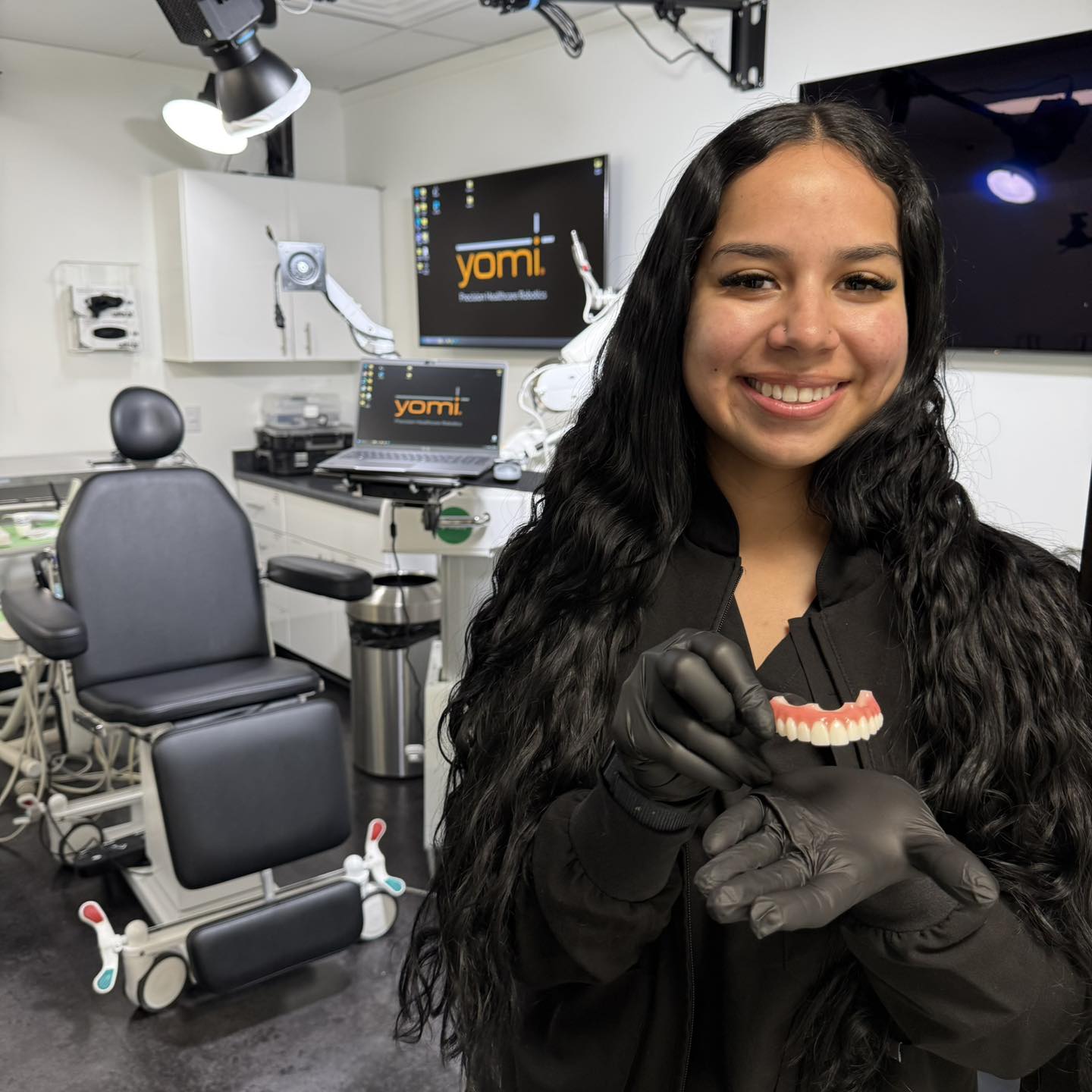
Advanced surgical technology may support implant placement in selected cases, but it does not replace the need for comprehensive evaluation.
The goal is to develop a treatment plan that respects the patient’s anatomy while addressing their restorative needs.
Can You Get All-on-4® With Chronic Sinus Problems?
Receiving All-on-4® with sinus problems may be possible, even for patients who have experienced recurring congestion, sinus infections, or previous sinus procedures.
A history of sinus disease does not automatically disqualify someone from dental implant treatment.
However, active infections, anatomical differences, and the amount of available upper jawbone may influence the recommended approach.
At Full Arch Dental Implant Center in Lake Havasu City, Dr. Kaushesh and the dental team recognize the importance of evaluating each patient’s dental and medical history before developing a full arch treatment plan.
For patients with chronic sinus concerns, a comprehensive consultation can help determine whether additional evaluation or treatment is necessary before implant placement.
With appropriate planning and realistic expectations, patients can better understand their options for replacing missing teeth while protecting their overall oral health.