If you have lost one or more teeth, it is easy to think it is not a big deal, especially if it is not immediately visible. But what happens if you don’t replace missing teeth is something many people do not fully realize until more noticeable changes begin to happen.
At first, the effects can seem minor. You may adjust how you chew or avoid using one side of your mouth. Speaking might feel slightly different, but manageable. Over time, though, these small changes can lead to larger issues that affect both comfort and overall oral health.
One of the biggest concerns is how the surrounding teeth respond. When a tooth is missing, nearby teeth can begin to shift into that empty space. This movement can affect your bite, making it harder to chew properly and sometimes leading to uneven wear on other teeth.
Another important factor is what happens below the surface. Your jawbone relies on stimulation from your teeth to maintain its strength. When that stimulation is lost, the bone can begin to shrink over time. This process, often referred to when discussing what happens if you don’t replace missing teeth, can change the shape of your face and impact the stability of your remaining teeth.
As these changes progress, everyday activities can become more difficult. Eating certain foods may feel uncomfortable, and speaking clearly can take more effort. What once felt like a small issue can start to affect your confidence and how you interact with others.
Many patients are surprised to learn how connected everything is. One missing tooth can lead to a chain reaction that impacts multiple areas of your oral health. That is why early action is often recommended, even if the problem does not seem urgent at first.
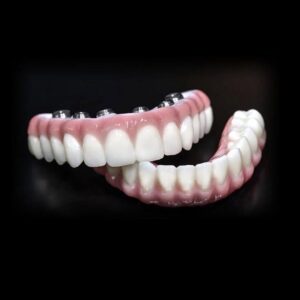
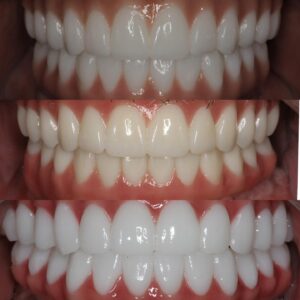
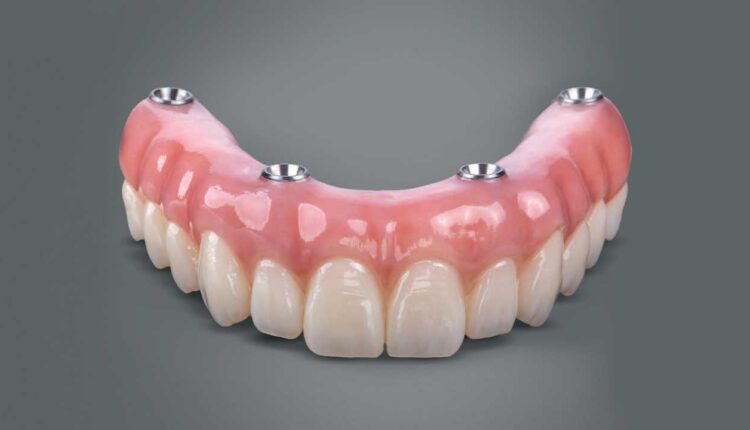
The good news is that there are solutions designed to prevent these long-term effects. Modern tooth replacement options focus on restoring both function and structure, helping to maintain the health of your jaw and surrounding teeth.
At Full Arch Dental Implant Center, we work with patients who are looking to avoid these complications and regain a sense of stability. Understanding what happens if you don’t replace missing teeth is often the first step in making a more informed decision about your dental health.
If you have been putting off treatment, it may be worth taking a closer look at your options. Addressing the issue now can help protect your comfort, your confidence, and your long-term oral health.