The link between missing teeth and jawbone loss is one of the most important things patients should understand when researching long term tooth replacement options. Many people think missing teeth only affect the appearance of their smile, but the truth is that tooth loss can also change the bone structure underneath the gums. Over time, this can affect comfort, function, facial support, and future treatment options.
Your jawbone is living tissue, which means it responds to use. When natural teeth are present, the roots of those teeth stimulate the jawbone every time you chew or bite. That stimulation helps tell the body to maintain the bone in that area.
When a tooth is lost, the jaw no longer receives the same stimulation in that space. As a result, the body may begin to naturally resorb bone in the area where the tooth once was. This process can happen slowly, which is why many patients do not realize it is occurring until they notice changes years later or see it on dental imaging.
This is why the link between missing teeth and jawbone loss matters so much. The longer teeth are missing, the more the bone can change. These changes may affect the way dentures fit, how remaining teeth function, and how much support the lower face has over time.
One common effect of jawbone loss is a change in facial appearance. The jaw helps support the cheeks, lips, and lower portion of the face. When bone volume decreases, some patients begin noticing a more sunken look around the mouth or changes that make them appear older than they feel.
Jawbone loss can also affect comfort while eating. Missing teeth already make chewing more difficult, but changes in the bone can further impact bite stability. Patients may begin relying on certain areas of the mouth more than others, which can create uneven pressure on remaining teeth.
Another issue is that missing teeth can create a chain reaction. When one or more teeth are gone, surrounding teeth may begin shifting. This can change bite alignment and place additional stress on teeth that are still present. Over time, this may contribute to more dental problems if the missing teeth are not addressed.
Many patients searching for bone loss after tooth loss are worried that they have waited too long to explore treatment. While bone loss can affect treatment planning, it does not automatically mean there are no options. Modern dental implant treatment has helped many patients with missing teeth restore function and stability even after years of dental challenges.
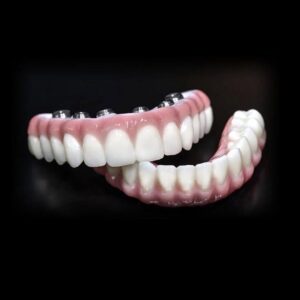
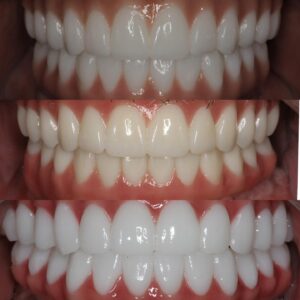
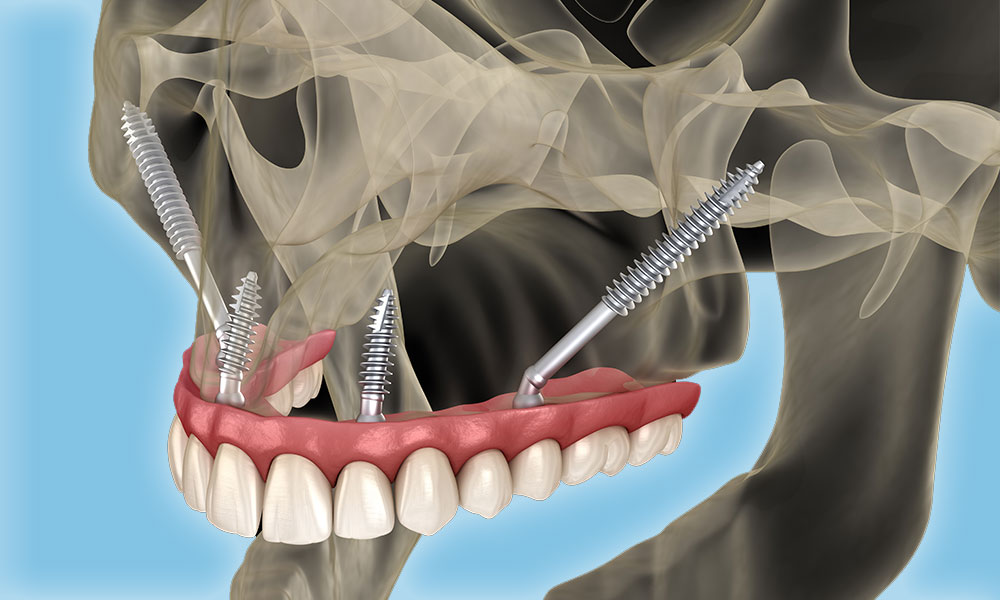
All on 4® treatment is one option many patients research when they are dealing with extensive tooth loss or full arch dental problems. Instead of replacing one tooth at a time, this treatment is designed to restore an entire arch using implant support. The goal is to create a more stable foundation for eating, speaking, and smiling.
A major benefit of dental implants is that they help provide stimulation to the jawbone in a way that traditional removable dentures do not. This is one reason implant-supported solutions are often discussed when patients want to understand long term oral health, not just cosmetic improvement.
At Full Arch Dental Implant Center, we believe education is an important part of treatment planning. Understanding the link between missing teeth and jawbone loss helps patients see why tooth replacement is about much more than appearance. It is about protecting structure, function, and quality of life.
If you have been living with missing teeth, learning what is happening beneath the surface can help you make a more informed decision. The sooner you understand your options, the sooner you can take steps toward restoring comfort, confidence, and long term stability.