Can you eat normally with dental implants? If you’re considering replacing missing teeth, there’s a good chance this question has crossed your mind more than once. Eating is something we do every single day, so it’s understandable to wonder whether life will ever feel “normal” again after dental implant treatment.
For many people, this question isn’t really about food. It’s about getting back to the little moments they’ve been missing. Maybe you’ve stopped ordering your favorite steak at restaurants because chewing is uncomfortable. Maybe crunchy foods have become frustrating, or you’ve gotten used to cutting everything into tiny pieces. Some people don’t even realize how much they’ve changed their eating habits until they stop and think about it.
The encouraging news is that one of the biggest goals of dental implants is restoring your ability to eat comfortably. While there is a healing period that requires some patience, many patients eventually enjoy foods they haven’t been able to eat in years. Knowing what to expect during each stage of recovery can help you feel more confident before treatment begins.
Why Missing Teeth Change the Way You Eat
Many people slowly adapt to missing or failing teeth without realizing how much those changes affect their daily lives.
You may chew on only one side of your mouth because the other side is too sensitive.
You may automatically avoid foods that require a strong bite, like apples, corn on the cob, crusty bread, or nuts.
Some people stop eating certain meats because they’re too difficult to chew comfortably. Others avoid social situations where eating is part of the event because they’re worried about loose dentures or painful teeth.
These adjustments don’t usually happen overnight. They develop gradually, becoming part of your routine until you hardly notice them anymore.
The goal of dental implants isn’t simply to replace teeth. It’s to restore function so eating can feel enjoyable instead of stressful.
What Can You Eat Right After Dental Implant Surgery?
Immediately after surgery, your mouth needs time to heal.
During the first few days, your dentist will typically recommend a soft food diet to avoid putting unnecessary pressure on the surgical areas. This doesn’t mean you’ll be limited to plain soup for weeks, but you will want to choose foods that require very little chewing.
Many patients enjoy foods such as yogurt, mashed potatoes, scrambled eggs, oatmeal, smoothies, cottage cheese, applesauce, pasta, soft fish, and blended soups during the early stages of recovery.
It’s also important to stay hydrated and follow every instruction your dental team provides. Healing is different for every patient, and your recommendations may vary depending on the type of implant procedure you’ve received.
Although this temporary diet can feel restrictive, it’s an important part of protecting your new implants while your body begins the healing process.
Healing Takes Time, but So Does Every Major Investment in Your Health
One mistake people sometimes make is expecting dental implants to work exactly like natural teeth the day after surgery.
Your implants need time to integrate with your jawbone in a process known as osseointegration. During this period, your body is creating the stable foundation that helps make dental implants such a successful long-term treatment.
Think about recovering from a knee replacement or another orthopedic procedure. Even though the surgery is complete, healing continues for weeks and months afterward. Dental implants work in a similar way.
The healing process isn’t a setback. It’s part of building a strong, lasting result.
Following your dentist’s dietary recommendations during this time gives your implants the best opportunity to heal successfully.
What About All on 4® Treatment?
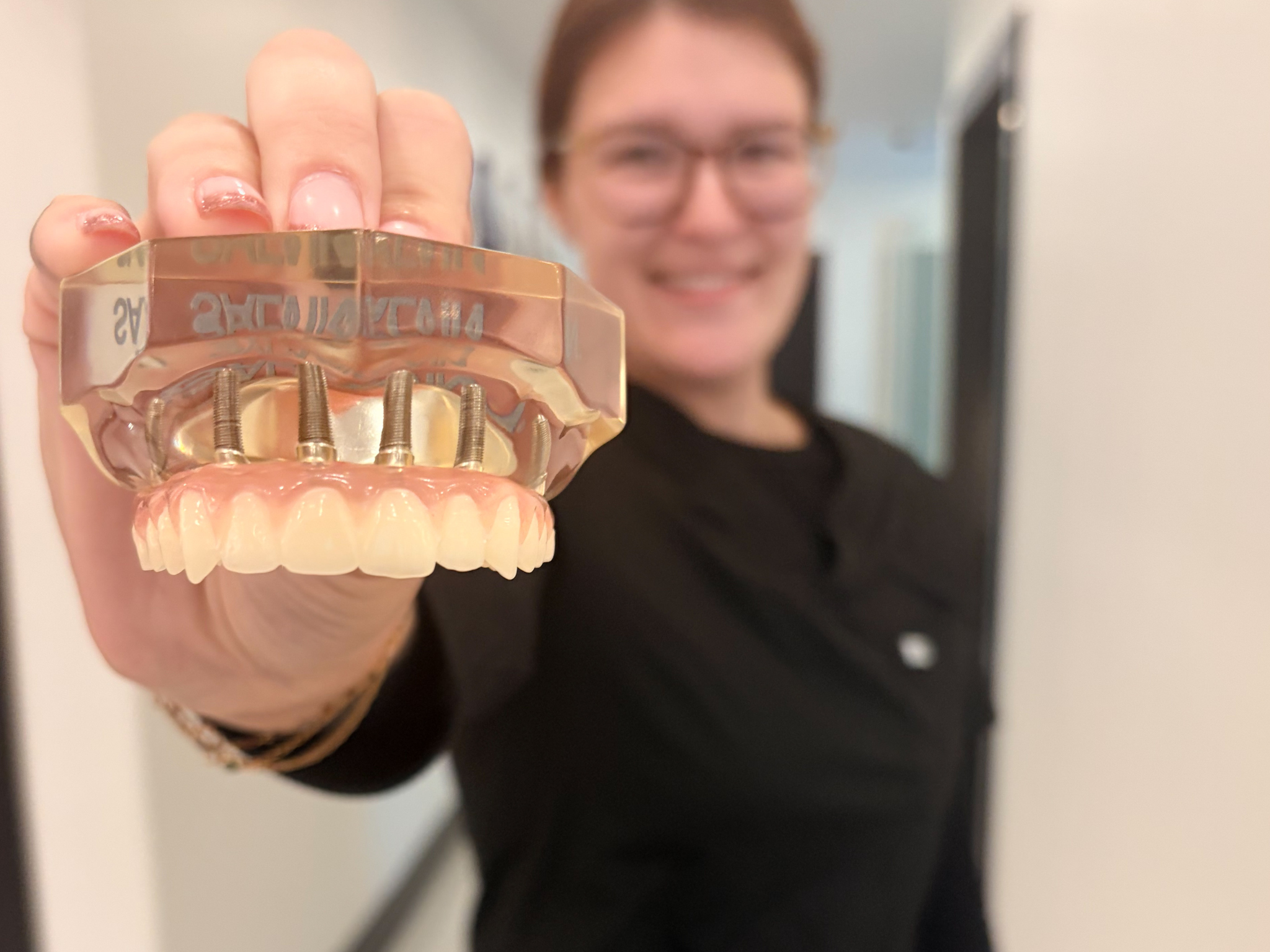
Patients considering All on 4® treatment often ask whether they’ll be able to eat normally right away.
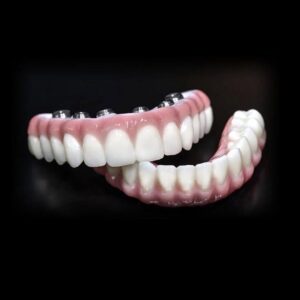
One of the benefits of All on 4® treatment is that many patients receive a temporary set of teeth soon after surgery, allowing them to smile and perform many daily activities while healing takes place.
However, having temporary teeth doesn’t mean your jaw has finished healing.
Your dental team will usually recommend staying on a modified diet for a period of time while the implants integrate with your bone. This allows the implants to heal without being exposed to excessive chewing forces that could interfere with the process.
Although waiting can be frustrating, it’s an important investment in the long-term success of your treatment.
Will Food Taste Different?
This is a question that surprises many people.
Dental implants themselves don’t change your ability to taste food because your taste buds are located on your tongue, not your teeth.
However, many patients say eating becomes more enjoyable after treatment because they’re no longer distracted by discomfort, loose dentures, or worrying about a painful tooth.
Instead of focusing on whether something will hurt, they’re able to focus on enjoying the meal itself.
For patients who have worn traditional dentures for many years, the increased stability can also make eating feel much more natural.
Can You Really Eat Foods Like Steak and Apples Again?
One of the most common questions we hear is whether people can eventually return to eating foods that require a stronger bite.
While every patient is different, many people are able to enjoy a wide variety of foods once healing is complete and they’ve been cleared by their dentist.
That includes foods that may have been difficult or impossible before treatment.
The important thing to remember is that returning to those foods doesn’t happen overnight. Healing comes first.
Trying to rush the process by eating foods that haven’t been recommended can place unnecessary stress on your implants during a critical stage of recovery.
Patience now often leads to better long-term results later.
Taking Care of Your New Smile
Being able to eat comfortably is only one part of maintaining healthy dental implants.
Good oral hygiene remains essential.
Brushing, cleaning around your implants, attending routine hygiene visits, and following your dentist’s recommendations all help protect your investment for years to come.
Dental implants cannot develop cavities like natural teeth, but the gums and bone supporting them still need proper care.
Keeping your mouth healthy helps ensure you continue enjoying your favorite foods well into the future.
The Bottom Line
Can you eat normally with dental implants? For many patients, the answer is yes, but it’s important to understand that healing is part of the journey.
Immediately after surgery, you’ll follow a soft food diet while your implants heal and integrate with your jawbone. As healing progresses and your dentist confirms everything is developing as expected, many patients gradually return to eating the foods they’ve missed for years.
At Full Arch Dental Implant Center, one of our favorite moments is hearing patients talk about the first meal they truly enjoyed after treatment. Whether it’s biting into an apple, ordering a steak, or simply eating dinner without discomfort, those everyday victories remind us that dental implants are about much more than replacing teeth. They’re about helping people get back to living life with confidence, comfort, and a smile they can depend on.