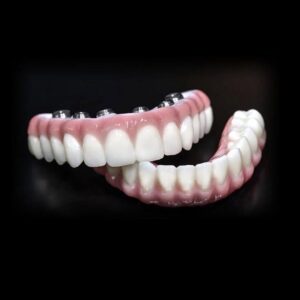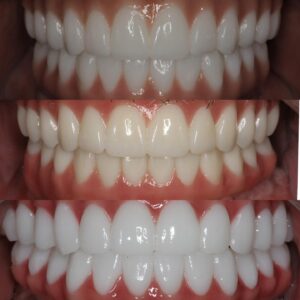

If coffee is part of your morning routine, one of your first recovery questions may be when you can drink coffee after All-on-4® surgery. It sounds like a small concern compared with getting an entire arch of new teeth, but anyone who starts every morning with a cup of coffee knows that suddenly being told to change that routine can feel like a very big deal.
The answer depends on where you are in the healing process and the instructions provided by your dental team.
Immediately after dental implant surgery, hot beverages may be restricted. Your mouth has just undergone a surgical procedure, and the tissues around your implants need time to begin healing. You may also still have numbness from local anesthesia, making it harder to accurately judge the temperature of a drink.
The good news is that giving up coffee immediately after surgery does not mean giving it up forever.
Why Hot Coffee Can Be a Problem Right After Surgery
The temperature of your coffee is one of the first concerns.
After oral surgery, your dental team may tell you to avoid very hot foods and beverages during the initial recovery period.
Heat can affect the surgical area, and you do not want to irritate tissues that are trying to heal.
There is also the numbness issue.
If your lips, tongue, or other areas of your mouth are still numb, you may not realize how hot a beverage actually is.
That creates the possibility of accidentally burning yourself.
Wait until the numbness has worn off and follow your postoperative instructions regarding when warm or hot beverages can safely be reintroduced.
Can You Drink Coffee After All-on-4® Surgery if It Is Cold?
This is where patients often think they have found the perfect loophole.
If hot coffee is the problem, can you simply switch to iced coffee?
Not necessarily immediately.
Temperature is only one consideration after surgery. Your dental team may give you specific instructions about what you can drink, how you should drink it, and when different beverages can be introduced.
There is also an important difference between sipping a beverage normally and using a straw.
If you are considering iced coffee during early recovery, ask your dental team whether it is appropriate for you and how they want you to drink it.
Do not assume that cold automatically means safe.
Be Careful With Straws
After many types of oral surgery, patients are instructed to avoid using straws during the early healing period.
The suction created when drinking through a straw can be a concern after certain dental procedures.
Your specific postoperative instructions should tell you whether and how long you need to avoid them.
This matters because iced coffee is commonly served with a straw.
You may absentmindedly pick one up out of habit.
Before leaving your surgery appointment, make sure you understand what you are allowed to drink and whether straws are temporarily off limits.
Following those instructions is more important than getting your usual coffee order exactly the way you like it.
Coffee Should Not Replace Water
Coffee may be your favorite drink, but water should remain an important part of your recovery.
Your body needs appropriate hydration while it heals.
If you normally drink several cups of coffee throughout the day and very little water, this may be a good opportunity to pay attention to that balance.
Keep water nearby and sip it regularly according to your postoperative instructions.
This can be especially important in a hot, dry environment like Lake Havasu City, where it is easy to underestimate how much fluid you are losing throughout the day.
Coffee can return to your routine. Water should not disappear from it.
What About Caffeine?
For most coffee drinkers, the question is not only about coffee itself.
It is about caffeine.
If you suddenly stop drinking caffeine after years of having it every morning, you may experience a headache or feel unusually tired.
That can make the first days of dental implant recovery feel even less enjoyable.
If you know you consume a significant amount of caffeine every day, mention it when discussing your postoperative routine.
Your dental team can give you guidance based on your particular treatment and health history.
Do not ignore your surgical instructions simply because you are worried about a caffeine headache.
Planning ahead is much easier than trying to improvise the morning after surgery.
Can Coffee Stain All-on-4® Teeth?
Once you are fully healed, another common concern is whether coffee can stain your new All-on-4® teeth.
The answer depends partly on the material used for your final restoration.
Dental materials do not behave exactly like natural tooth enamel.
Some are highly resistant to staining, while surface changes can still occur over time depending on the material, your habits, and how the restoration is maintained.
If you are a regular coffee drinker, ask your dental team how to care for your specific restoration.
You do not necessarily need to abandon coffee forever to protect your smile.
Good oral hygiene and professional maintenance remain important.
Rinsing your mouth with water after coffee can also be a simple habit to help keep your mouth feeling clean.
Avoid Scrubbing Your New Teeth With Abrasive Products
Some people become worried about coffee stains and begin using aggressive whitening or abrasive products.
Be careful.
Your All-on-4® restoration is not natural tooth enamel.
Products designed to whiten natural teeth do not necessarily work the same way on restorative materials.
Do not begin using abrasive toothpaste, whitening treatments, or homemade cleaning mixtures without asking your dental team whether they are appropriate.
Trying to keep your new teeth bright should not involve damaging their surface.
Your dentist or hygienist can recommend products that are suitable for the material used in your restoration.
What About Sugar in Your Coffee?
All-on-4® replacement teeth cannot develop cavities the same way natural teeth can, but that does not make unlimited sugar harmless to your mouth or overall health.
Bacteria still exist around your gums and implant restoration.
Your oral hygiene still matters.
If your coffee contains several pumps of flavored syrup, sugar, whipped cream, or sweetened creamer, remember that you are drinking much more than coffee.
You do not need to panic over an occasional sweet drink.
Just do not assume that having implant supported teeth means your oral health no longer matters.
Your gums and the tissues supporting your implants still need care.
When Can Coffee Become Part of Your Normal Routine Again?
Your dental team should give you instructions based on your individual recovery.
As the surgical areas heal, you may gradually return to more of your normal eating and drinking habits.
That includes coffee.
The key word is gradually.
Do not test the surgical area with an extremely hot drink simply because you feel better.
Start according to your dentist’s guidance and pay attention to how your mouth responds.
If drinking something causes unusual discomfort or irritation, stop and contact your dental office if you are concerned.
Your mouth should be moving toward greater comfort as you heal.
Your Morning Routine Will Feel Normal Again
The first few days after All-on-4® surgery can make everyday routines feel surprisingly complicated.
You are thinking about what you can eat.
You are thinking about how to clean your mouth.
You may be taking medication at specific times.
You are sleeping differently, dealing with swelling, and learning how your new teeth feel.
Then someone tells you that even your morning coffee routine needs to change.
It can feel like a lot.
Fortunately, these restrictions are temporary.
Recovery is a short stage compared with the years you hope to spend using your new smile.
Following instructions carefully now can help protect the treatment you invested in.
Do Not Use Coffee as a Test of Your Recovery
Patients sometimes want to test themselves as soon as they begin feeling better.
Can I drink hot coffee yet?
Can I chew something harder?
Can I go back to the gym?
Can I eat steak?
Feeling capable of doing something is not the same as being cleared to do it.
The tissues around your implants are healing whether you can feel that process or not.
Use your dental team’s instructions as your guide rather than testing how much your mouth can tolerate.
There will be plenty of coffee mornings ahead.
Can You Drink Coffee After All-on-4® Surgery?
When you can drink coffee after All-on-4® surgery depends on your stage of recovery and the postoperative instructions provided by your dental team. Very hot beverages may need to be avoided immediately after surgery, and you should also pay attention to instructions regarding straws, hydration, and your overall diet.
As your mouth heals, coffee can generally become part of your normal routine again when your dental team says it is appropriate.
At Full Arch Dental Implant Center in Lake Havasu City, we want patients to understand the everyday details of All-on-4® recovery, not just what happens during surgery. Questions about coffee, food, work, exercise, and travel may seem small, but they are part of getting back to normal life. Follow your recovery instructions now, give your implants time to heal, and your morning cup of coffee can eventually go back to being just that: a normal part of your morning.
next
Title:
Can You Drink Alcohol After All-on-4® Surgery?
SEO Title:
Can You Drink Alcohol After All-on-4® Surgery? | Full Arch Dental Implant Center
Slug:
can-you-drink-alcohol-after-all-on-4-surgery
Meta Description:
Can you drink alcohol after All-on-4® surgery? Learn why waiting matters and how alcohol may affect your early dental implant recovery.
Focus Keyphrase:
drink alcohol after All-on-4® surgery
Related Keyphrases:
alcohol after dental implants, All-on-4® recovery, drinking after dental implant surgery, dental implant healing, All-on-4® aftercare
Tags:
All-on-4®, dental implants, implant recovery, dental implant surgery, alcohol after dental implants, full arch implants, Lake Havasu City
Suggested Image Filename:
drink-alcohol-after-all-on-4-surgery.jpg
Suggested Image Alt Text:
When patients can drink alcohol after All-on-4® surgery during dental implant recovery
Suggested Internal Links:
Can You Smoke After All-on-4® Dental Implants?
What Can You Eat After All-on-4® Dental Implant Surgery?
Suggested Outbound Link:
National Institute on Alcohol Abuse and Alcoholism
Can You Drink Alcohol After All-on-4® Surgery?
If you are wondering when you can drink alcohol after All-on-4® surgery, you are probably thinking about getting back to normal life. Maybe you have dinner plans coming up, a birthday, a vacation, or you simply enjoy having a drink at the end of the day.
During the early stages of dental implant recovery, however, alcohol may need to wait.
Your mouth has undergone surgery. The gum tissue needs to heal, your dental implants are beginning an important healing process within the jawbone, and you may be taking medications that should not be combined with alcohol.
Exactly how long you should avoid drinking depends on your procedure, your medications, your health, and the instructions from your dental team.
Instead of choosing an arbitrary number of days, ask your implant dentist when alcohol is appropriate for your specific recovery.
Why Alcohol Is Different After Surgery
A drink that was part of your normal routine before surgery may not fit into the first stage of your recovery.
Your body is directing resources toward healing. You may be experiencing swelling, tenderness, bruising, or fatigue. Your diet may also be temporarily restricted.
Alcohol can complicate this period for several reasons.
It may interact with medications. It can contribute to dehydration, and alcoholic beverages may irritate sensitive tissues depending on what you are drinking.
This does not mean one drink will automatically cause your dental implants to fail.
It means the days immediately following surgery are not the best time to introduce something that may interfere with your recovery.
Can You Drink Alcohol After All-on-4® Surgery While Taking Medication?
This is one of the most important reasons to be cautious.
You may be prescribed or advised to take medications following All-on-4® surgery.
Depending on the medication, alcohol can cause dangerous or undesirable interactions.
Do not guess.
Read the instructions that come with your medications and ask your dentist, physician, or pharmacist if you are unsure.
You should never stop a prescribed medication early simply because you want to drink alcohol at an event.
Complete your medication regimen exactly as directed unless the prescribing healthcare professional tells you otherwise.
Your health comes before a cocktail.
Alcohol and Pain Medication Can Be a Dangerous Combination
Pain medication deserves particular attention.
Some medications can cause drowsiness, dizziness, or impaired coordination. Alcohol may intensify those effects and can create additional risks.
If your postoperative pain management includes a prescription medication, make sure you understand the warnings associated with it.
Even some over-the-counter medications may have alcohol-related precautions.
Do not rely on the fact that you have taken a medication before.
Your body is also recovering from surgery, and your current medication schedule may be different.
When in doubt, ask.
It is a very easy question for your pharmacist or healthcare provider to answer and a very unnecessary risk to take on your own.
What About Antibiotics?
Not every All-on-4® patient will have exactly the same medication plan, but antibiotics may be prescribed in some situations.
If you are taking an antibiotic, follow the instructions provided with that specific medication.
Alcohol interactions are not identical for every antibiotic.
That is another reason general internet advice can be misleading.
Someone may tell you they drank while taking an antibiotic and had no problem, but they may have been taking a completely different medication.
Use the name of your actual prescription when asking your pharmacist or dentist whether alcohol needs to be avoided.
Does Alcohol Slow Dental Implant Healing?
Successful dental implant treatment depends on healing.
The implants need to develop a stable relationship with the surrounding bone, while the gum tissue also recovers from surgery.
Heavy or frequent alcohol consumption can negatively affect general health and may interfere with the body’s ability to heal effectively.
For someone undergoing dental implant treatment, that is worth taking seriously.
The goal is to create the best possible environment for recovery.
That includes following your postoperative diet, maintaining appropriate oral hygiene, avoiding smoking, attending follow-up visits, taking medications as directed, and following your dentist’s instructions about alcohol.
You have invested too much in your new smile to make early healing harder than it needs to be.
Alcohol Can Contribute to Dry Mouth
Alcohol can contribute to dehydration and a dry mouth.
Saliva plays an important role in the oral environment. It helps keep the mouth comfortable and assists with washing away food particles and bacteria.
During All-on-4® recovery, you already have more reasons than usual to pay attention to hydration and cleanliness.
Water should be your friend.
This is especially true in Lake Havasu City, where hot and dry conditions can make staying hydrated even more important.
If you are eventually cleared to drink alcohol again, continue drinking water as part of your normal routine.
Can Alcohol Irritate Your Gums?
Fresh surgical sites can be sensitive.
Certain alcoholic beverages may create a burning or irritating sensation in tissues that are still healing.
This is not the time to test how much irritation your gums can tolerate.
Your mouth should be getting more comfortable as recovery progresses.
If something you eat or drink causes significant discomfort around the surgical areas, stop.
Follow your postoperative instructions and contact your dental team if you experience symptoms that concern you.
What About Alcohol-Based Mouthwash?
This is a slightly different question, but it often comes up at the same time.
Do not assume that a strong, alcohol-containing mouthwash is the best way to keep your surgical areas clean.
Your dentist may provide or recommend a specific rinse during recovery.
Use what they recommend.
More intense does not automatically mean cleaner.
Aggressively rinsing or using products that irritate healing tissues can work against what you are trying to accomplish.
Your dental team should explain how to clean your mouth during each stage of recovery.
When Can You Have a Drink Again?
There is not one universal answer for every All-on-4® patient.
Someone who underwent a straightforward procedure and is no longer taking medications may receive different guidance from someone who had additional surgical procedures or has a medical condition affecting healing.
This is why your follow-up visits matter.
Ask directly:
“When can I safely have an alcoholic drink again?”
That gives your dentist an opportunity to consider your healing progress and medication use.
Once you have been cleared, moderation remains sensible.
Getting permission to have a drink is not the same as being told that heavy alcohol consumption is good for your dental implants or your overall health.
Do Not Let a Social Event Rush Your Recovery
Weddings, birthdays, holidays, vacations, and weekends on the lake do not always cooperate with dental surgery schedules.
If you know an important event is coming up, tell your dental team before scheduling treatment.
They may be able to help you choose a date that makes recovery easier.
If surgery has already happened, however, do not let social pressure convince you to ignore your instructions.
You do not owe anyone an explanation for choosing water or another nonalcoholic drink.
A few alcohol-free celebrations are a small tradeoff for protecting a treatment you hope to benefit from for many years.
What About Long-Term Alcohol Use With All-on-4®?
After you have fully recovered, caring for All-on-4® becomes part of your regular lifestyle.
Your replacement teeth cannot develop cavities like natural teeth, but the gums and bone surrounding your implants are still living tissues.
Your overall health matters.
Heavy alcohol use can have effects throughout the body and should be discussed honestly with your healthcare providers.
You do not need to hide your habits from your dentist.
Accurate information allows your dental team to better understand your risk factors and provide appropriate recommendations.
If your alcohol use changes significantly after your implant treatment, mention that during your health history updates.
Your medical history is not something that only matters on surgery day.
Protect the Investment You Made in Your Smile
All-on-4® treatment is a major investment of time, money, and effort.
The early recovery period is temporary.
Your job during that period is relatively simple: give your body a good environment in which to heal.
That may mean temporarily changing some of your normal habits.
You may eat softer foods.
You may skip the gym.
You may sleep differently.
You may drink more water and less coffee.
And yes, you may need to skip alcohol for a while.
Those changes do not last forever.
They are part of getting through the healing stage so your new teeth can eventually become an ordinary part of your life.
Can You Drink Alcohol After All-on-4® Surgery?
When you can drink alcohol after All-on-4® surgery depends on your recovery, medications, overall health, and the specific instructions given by your dental team. Alcohol may need to be avoided during early healing, particularly when you are taking medications that can interact with it.
Do not choose a return date based solely on what another implant patient did. Ask your dental team when it is appropriate for you.
At Full Arch Dental Implant Center in Lake Havasu City, we want patients to understand the everyday decisions that can affect recovery. The first part of healing may require some temporary lifestyle changes, but those restrictions have a purpose. Protecting your implants now can help give your new smile the strongest possible start for the years ahead.