All on 4® after severe gum disease is a topic many people begin researching when their teeth have become loose, uncomfortable, or difficult to maintain. If you have been told that periodontal disease has damaged the support around your teeth, you may be worried that dental implants are no longer possible. The reality is that a history of gum disease does not automatically mean you are out of options. However, your current oral health, bone condition, medical history, and ability to maintain your new smile all need to be carefully evaluated.
For many patients, severe gum disease develops slowly. It may begin with bleeding while brushing or gums that look red and swollen. Because the early symptoms can seem minor, people sometimes ignore them for years.
Eventually, the situation can become much more serious.
Understanding What Gum Disease Does
Gum disease is an infection that affects the tissues surrounding and supporting the teeth.
In its early stage, patients may notice bleeding, swelling, or tenderness. As the disease progresses, it can damage the structures that hold the teeth in place, including the bone.
This is why advanced gum disease can cause adult teeth to become loose.
The tooth itself may not be the only problem. The foundation supporting the tooth has been weakened.
Some patients are shocked when they first notice movement. They may have assumed loose teeth were simply part of getting older.
They are not.
Healthy adult teeth should feel stable. If teeth are moving, shifting, or becoming increasingly loose, the cause needs to be evaluated.
Why Patients With Gum Disease Research All on 4®
By the time many patients start researching All on 4® after severe gum disease, they have often been struggling for a long time.
They may have several loose teeth.
Chewing may be uncomfortable.
The gums may bleed easily.
Bad breath may continue even with brushing.
Spaces between teeth may have changed.
Some teeth may have already been lost.
At this point, the patient is usually not looking for a quick cosmetic improvement. They want to know whether their mouth can become stable again.
That is an important difference.
Full arch treatment is about much more than creating a new smile. The doctor needs to understand why the natural teeth are failing and what needs to happen before dental implant treatment can be considered.
Can You Get Dental Implants After Gum Disease?
A history of periodontal disease does not automatically prevent someone from receiving dental implants.
However, active infection needs to be addressed.
This is important because dental implants depend on healthy tissues and proper long term care. Placing implants without considering the condition of the mouth would not solve the underlying problem.
The doctor needs to evaluate the gums, jawbone, and overall oral health.
For some patients, periodontal treatment may be part of the plan.
For others with widespread damage and teeth that cannot be predictably saved, full arch treatment may be discussed.
Every situation is different.
This is why searching online can only take you so far. Two people may both have gum disease, but the condition of their mouths can be completely different.
One person may have early disease that can be managed while keeping their natural teeth.
Another may have advanced bone loss and several teeth with a poor long term outlook.
A proper examination is needed to understand the difference.
What About Bone Loss?
This is often the next concern.
Because advanced periodontal disease can damage the bone supporting natural teeth, patients may assume that bone loss automatically means they cannot have dental implants.
That is not always the case.
The amount and location of available bone matter. The doctor needs detailed imaging to understand the shape and condition of the jaw.
This information becomes part of the treatment plan.
Patients should avoid deciding that they are not candidates based only on what they have read online or what happened to someone they know. Modern implant treatment includes different planning approaches, and the right recommendation depends on the individual patient’s anatomy.
The important thing is to get accurate information about your own mouth.
Why Removing Failing Teeth Does Not End the Conversation
For some patients with severe gum disease, several or all of the remaining teeth may have a poor long term outlook.
Hearing that can be emotional.
People often feel attached to the idea of keeping their natural teeth, even when those teeth are causing pain, moving, or making eating difficult.
That feeling is understandable.
The goal should always be to preserve healthy natural teeth when they can be maintained successfully. However, there are situations where keeping severely compromised teeth may not provide the stability a patient needs.
In those cases, the conversation may turn toward replacement options.
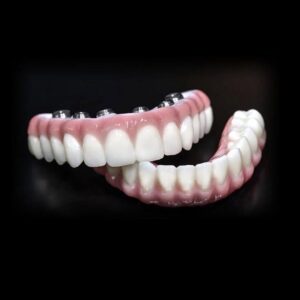
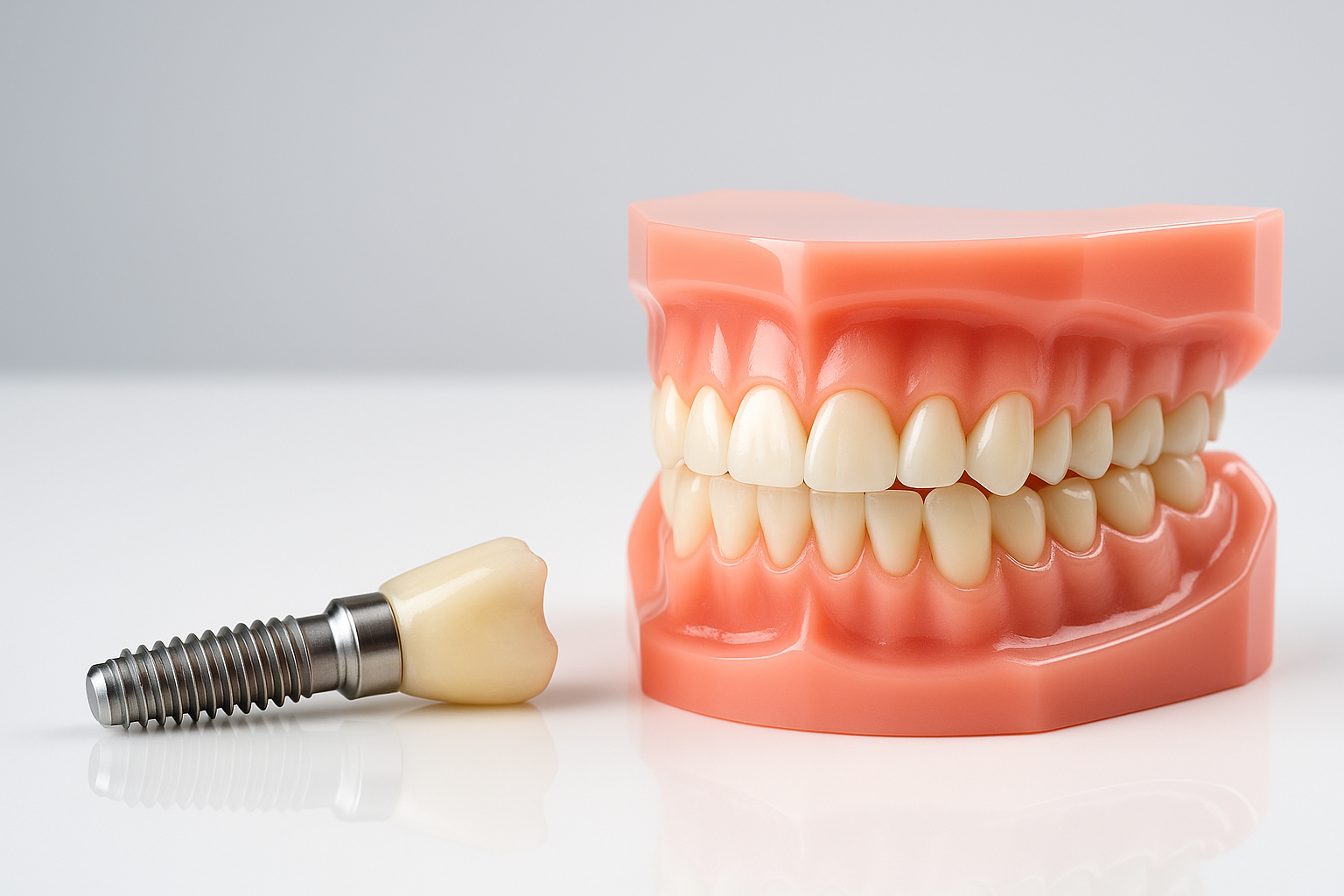
All on 4® treatment uses dental implants to support a complete arch of replacement teeth. For appropriate candidates, the goal is to replace an arch of failing or missing teeth with a stable implant supported restoration.
The decision should be based on a complete evaluation, not fear or pressure.
What Happens to the Gum Disease?
Patients sometimes ask whether replacing their teeth means they never have to worry about gum health again.
The answer is no.
This is extremely important.
Dental implants cannot develop cavities, but the tissues around them still need to remain healthy.
Bacteria can collect around implant restorations. Without proper cleaning and maintenance, inflammation can develop around the implants.
This means that someone who has received All on 4® treatment still needs a daily cleaning routine and professional maintenance.
New teeth do not eliminate the need for oral care.
Instead, they create a new responsibility to protect the treatment you have received.
Daily Care Still Matters
For patients considering All on 4® after severe gum disease, long term maintenance should be part of the conversation from the beginning.
Your dental team should explain how to clean around your restoration and which tools may be helpful.
The exact routine can vary depending on the design of the restoration and the patient’s individual needs.
What matters most is consistency.
Patients who have struggled with gum disease in the past may need to change old habits and become more active participants in their oral care.
This is not meant to scare patients.
It is meant to be clear.
Dental implants are an investment, and maintaining healthy tissues around them is part of protecting that investment.
Smoking and Overall Health Matter Too
Oral health is not separate from the rest of the body.
Smoking can affect healing and the health of the tissues around dental implants. Certain medical conditions may also influence treatment planning and recovery.
This is why patients should be open about their health history.
Tell your dental team about medications.
Discuss health conditions.
Be honest about smoking or tobacco use.
These conversations are not about judgment. They help the doctor understand your risk factors and create an appropriate treatment plan.
A dental implant consultation should consider the whole patient, not only the teeth.
What a Consultation Should Tell You
If you are dealing with severe gum disease, a consultation should help answer the questions that matter most.
What is the current condition of your gums?
How much support do your remaining teeth have?
Which teeth have a good long term outlook?
What does the jawbone look like?
Is there active infection?
What treatment options may be appropriate?
These are the kinds of questions that help patients understand the bigger picture.
At Full Arch Dental Implant Center, we know many people come to us after years of dental problems. Some are embarrassed about the condition of their mouth. Others are afraid they will be judged because they waited too long.
Our focus is understanding where you are now and helping you learn what options may be available.
Moving Forward After Years of Gum Problems
Living with severe gum disease can be frustrating.
It can affect eating, speaking, confidence, and comfort. Loose teeth can make every meal stressful. Changes in the smile can make people uncomfortable in photographs or social situations.
Many patients also live with the constant worry that another tooth will be lost.
That is often what brings them to research All on 4® treatment.
They are looking for stability.
They want to understand whether there is a way forward.
All on 4® after severe gum disease may be possible for some patients, but the first step is understanding the current condition of the mouth. Active disease, bone support, overall health, and long term maintenance all need to be considered.
At Full Arch Dental Implant Center, we believe patients deserve explanations they can actually understand.
If severe gum disease has left you with loose or failing teeth, do not assume you already know what your options are.
A thorough evaluation can give you a clearer picture of your oral health and help you understand what comes next.
For many patients, getting clear answers is the first time in years that the future of their smile begins to feel manageable again.