
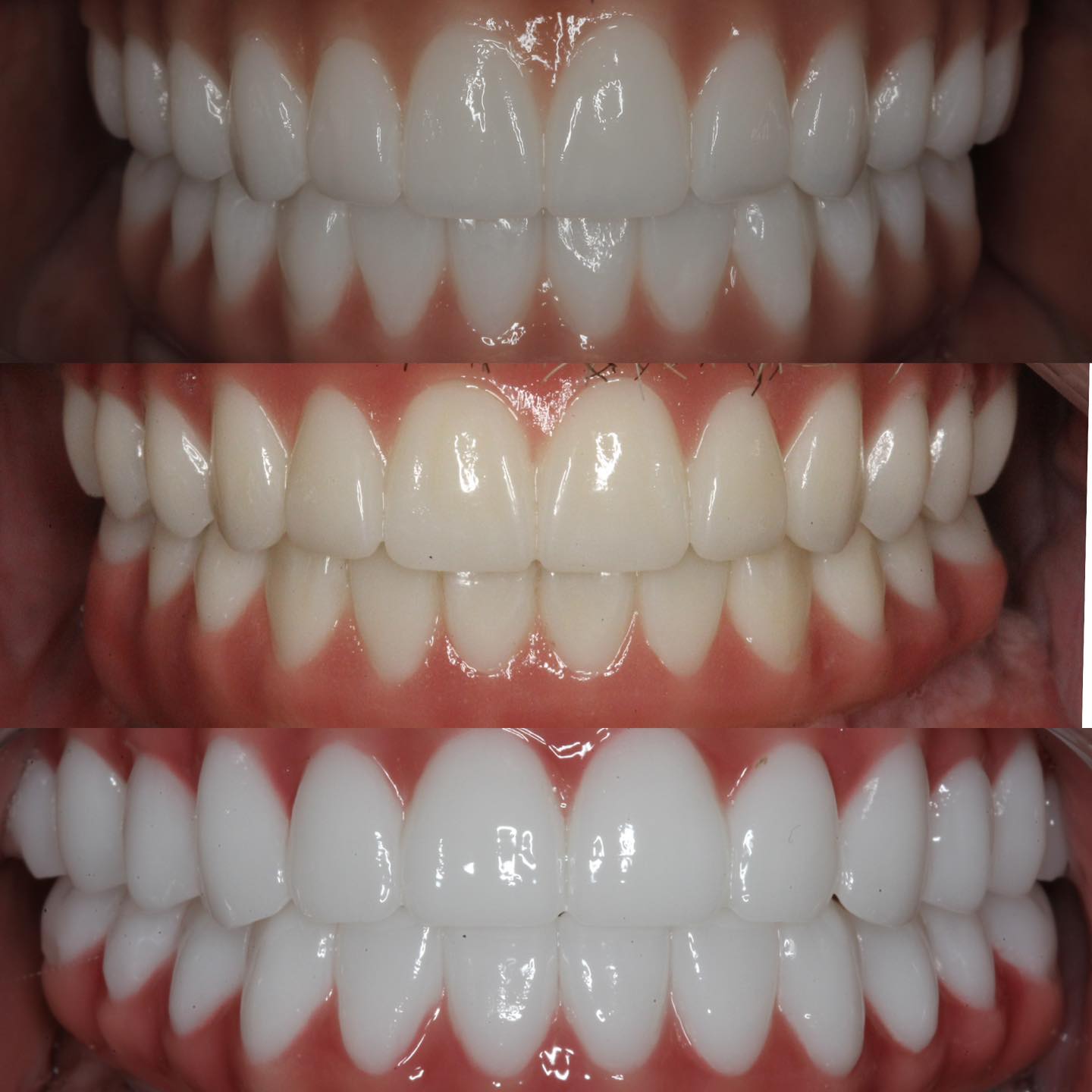
Getting All-on-4® dental implants with a strong gag reflex may still be possible. A sensitive gag reflex can make dental treatment difficult, but it does not automatically mean someone cannot receive full arch dental implants.
For some people, even routine dental care is challenging. An impression tray, X-ray sensor, suction tip, or dental instrument placed too far back in the mouth can immediately trigger gagging. Other patients begin gagging simply because they are anxious about something being inside their mouth.
If that sounds familiar, tell your dental team before treatment begins.
A strong gag reflex is not something you should feel embarrassed about, and it is definitely not something you should try to hide until the middle of a procedure. Knowing about it beforehand gives your dental team an opportunity to plan around it.
Why Do Some People Have Such a Strong Gag Reflex?
The gag reflex is a protective response.
Its purpose is to help prevent foreign objects from entering the throat. Everyone has some form of this reflex, but its sensitivity varies considerably from one person to another.
For some patients, physical contact toward the back of the mouth triggers it immediately.
For others, anxiety makes the response much stronger.
A previous negative dental experience can also contribute. If you once gagged badly during an impression or procedure, you may begin anticipating the same experience every time you sit in a dental chair.
Then the anticipation itself becomes part of the problem.
Understanding what triggers your gag reflex can help your dental team determine how to make treatment more manageable.
All-on-4® Dental Implants With a Strong Gag Reflex Are Different From Dentures
Some people considering All-on-4® already wear removable dentures.
A traditional upper denture can extend across the palate. For a patient with a sensitive gag reflex, the size and coverage of a removable appliance may sometimes feel difficult to tolerate.
All-on-4® is different.
The final design depends on the patient’s anatomy and treatment plan, but a fixed implant supported restoration does not function in the same way as a traditional removable denture.
If gagging is one of the reasons you struggle with your current denture, mention that during your consultation.
Your dental team needs to understand not only that you dislike your denture, but why.
Digital Technology May Help With Certain Parts of Treatment
Traditional dental impressions are a major concern for many patients with a sensitive gag reflex.
The thought of a tray filled with impression material sitting inside the mouth can be enough to create anxiety before the appointment even begins.
Modern dentistry may use digital scanning for certain parts of treatment.
A digital scanner captures information about the mouth without relying on the same traditional impression process in applicable situations.
That can be helpful for some patients, although the technology used and whether digital scanning is appropriate depends on the treatment stage and clinical situation.
If impressions are one of your biggest triggers, ask your dental team how records will be taken during your All-on-4® treatment.
Knowing what to expect can reduce some of the uncertainty.
Tell the Team What Triggers You
“I have a bad gag reflex” is helpful.
More detail is even better.
Maybe X-ray sensors are your biggest problem.
Maybe you can tolerate instruments near your front teeth but struggle when anything touches the back of your tongue.
Perhaps lying completely flat makes the sensation worse.
Or maybe the problem mostly happens when you become anxious.
Explain what has happened during previous dental appointments.
That gives the team something concrete to work with.
A patient who knows their triggers can often help the dental team avoid unnecessary surprises.
Dental Anxiety Can Make Gagging Worse
The gag reflex is physical, but there can also be a strong psychological component.
If you walk into an appointment already thinking, “I’m going to gag,” your body may become tense before anyone has even started.
That does not mean the gag reflex is imaginary.
The response is real.
It simply means anxiety and physical sensation can reinforce each other.
This is one reason a calm treatment environment and good communication can matter.
Tell the team when you need a moment.
Agree on a signal you can use if you need them to stop.
Knowing that you have some control over the situation may make treatment feel more manageable.
What About Sedation?
Patients with a strong gag reflex often ask whether sedation can help them get through dental implant treatment.
Sedation may be an option for some patients undergoing All-on-4® treatment, but the appropriate type depends on the individual.
Your medical history matters.
Medications matter.
Conditions such as sleep apnea, cardiovascular disease, and other health concerns can influence sedation planning.
Sedation should never be viewed as a one-size-fits-all solution.
During your consultation, tell your dental team about both your gag reflex and your level of dental anxiety.
They can discuss which comfort options may be appropriate for your treatment.
Can You Gag During All-on-4® Surgery?
Your dental team plans treatment with access, comfort, safety, and airway management in mind.
If you have an unusually sensitive gag reflex, knowing that beforehand is important.
Do not assume you need to “tough it out.”
Trying to suppress a severe gag reflex without telling anyone can actually make you more anxious.
Communication is much more useful.
The team can explain what you are likely to experience during treatment and what methods they use to help manage comfort.
What if X-Rays Make You Gag?
Dental imaging is an important part of evaluating patients for dental implants.
Some traditional intraoral X-rays involve placing a sensor inside the mouth, which can be difficult for patients with a strong gag reflex.
Implant dentistry may also involve other forms of imaging, including panoramic imaging or three-dimensional CBCT scans, depending on what the dentist needs to evaluate.
These methods do not all involve positioning a sensor in the same way inside the mouth.
Your dentist determines which images are clinically appropriate.
If intraoral X-rays have been extremely difficult for you in the past, tell the team before imaging begins.
Do Not Avoid the Dentist Until Your Teeth Become an Emergency
A strong gag reflex can contribute to years of dental avoidance.
Someone has one terrible experience and decides they never want to go through it again.
Then a tooth breaks.
They wait.
Another tooth develops a problem.
They wait again.
Eventually, what began as dental anxiety or gagging can become part of a much larger cycle of deteriorating oral health.
If your teeth have reached the point where you are considering All-on-4®, be honest about what kept you away from dentistry.
Your dental team needs to understand those barriers because receiving implants does not eliminate the need for future dental care.
You will still need maintenance.
The goal should be to create a dental experience you can continue participating in long after surgery.
Will the New Teeth Trigger Your Gag Reflex?
This is a common concern, especially for people who have struggled with dentures.
The sensation of any new restoration can feel unusual at first.
Your tongue will explore it.
Your mouth will be more aware of it.
You may initially feel as though the teeth take up more space simply because they are unfamiliar.
However, a fixed full arch restoration is designed differently from a conventional removable denture.
If you have specific areas that trigger gagging, tell your dentist during the treatment process.
Your experience with the temporary restoration can provide useful information as you move toward the final teeth.
What if the Temporary Teeth Make You Gag?
Do not silently suffer through it.
Tell your dental team.
There may be several reasons a new restoration feels difficult to tolerate, and the dentist needs to evaluate the actual cause before deciding what should be done.
Your mouth may simply need some time to adapt.
Swelling may contribute to a feeling of fullness.
The restoration may feel dramatically different from what you had before.
Or there may be an aspect of the design your dental team wants to evaluate.
Do not attempt to modify the restoration yourself.
All-on-4® teeth should be adjusted by dental professionals.
Breathing and Positioning Can Matter
Some patients find that concentrating on slow nasal breathing makes dental treatment easier.
Others become more uncomfortable when they feel overly reclined.
These are useful things to discuss with your dental team.
That does not mean every procedure can be performed in whatever position you choose. Your dentist needs appropriate access and must perform treatment safely.
But telling them what tends to trigger your gag reflex gives them information they can consider while treating you.
Small adjustments can sometimes make a big difference in how manageable an appointment feels.
Avoid Trying Random Home Remedies Before Surgery
The internet contains plenty of unusual suggestions for suppressing a gag reflex.
Be careful.
Do not take unapproved medications, use numbing products, or combine sedating substances before dental treatment unless your healthcare provider has specifically instructed you to do so.
Your dental team needs to know what medications and substances are in your system before surgery.
If your gag reflex is severe enough that you are considering taking something to control it, discuss the problem with the dentist beforehand.
They can recommend an appropriate approach based on your actual treatment.
Your Consultation Is the Time to Talk About It
A consultation is not only about looking at scans and discussing implants.
It is your opportunity to explain what makes dentistry difficult for you.
If you gag easily, say so.
If you have panic attacks in dental offices, say so.
If you had a terrible experience with impressions years ago, tell the team.
If you cannot tolerate something touching the roof of your mouth, mention it.
These details help your dental team understand the person they are treating.
A technically excellent dental plan is not very useful if the patient cannot comfortably participate in the process.
Can You Get All-on-4® Dental Implants if You Have a Strong Gag Reflex?
All-on-4® dental implants with a strong gag reflex may still be an option. A sensitive gag reflex can make certain parts of dental treatment more challenging, but modern treatment planning, clear communication, digital technology when appropriate, and individualized comfort options may help make the process more manageable.
The most important step is telling your dental team about the problem before treatment begins.
At Full Arch Dental Implant Center in Lake Havasu City, we understand that patients arrive with different dental histories, fears, and physical sensitivities. If a strong gag reflex has made dentistry difficult for you in the past, it deserves to be part of the conversation when planning All-on-4® treatment. The goal is not simply to give you new teeth, but to create a treatment experience and long-term care plan you can realistically maintain.
Why Do Some Patients Need More Than Four Dental Implants?
Why Do Some Patients Need More Than Four Dental Implants? If you have been researching full arch dental implants, you