The All on 4® treatment process can seem overwhelming when you first begin researching dental implants. You may see words like consultation, scans, surgery, temporary teeth, healing, and final teeth. Suddenly, something you hoped would be simple can start to feel confusing.
The good news is that you do not need to understand everything at once.
The All on 4® treatment process happens in stages. Each stage has a purpose, and your dental team should explain what is happening before you move forward.
For patients who have been dealing with failing teeth, missing teeth, or loose dentures for years, understanding the process can make the decision feel much less intimidating.
It Starts With a Conversation
The first step is not surgery.
It is a conversation.
During your consultation, the dental team wants to understand what brought you in. Some patients are tired of dealing with broken teeth. Others have been wearing dentures for years and want something more stable. Some are in pain. Others are simply exhausted from constantly worrying about what will happen next.
This part of the All on 4® treatment process is important because every patient arrives with a different story.
You should have the opportunity to talk about what is bothering you and what you hope treatment can change.
Are you struggling to eat?
Are your teeth constantly breaking?
Are you uncomfortable smiling?
Are you tired of loose dentures?
Have you been told that many of your teeth are failing?
These are important parts of the conversation because successful treatment planning is about more than looking at an X ray. It is about understanding what the patient needs from treatment.
The Examination Helps Create the Plan
After discussing your concerns, the next step is evaluating your mouth.
The doctor needs to understand the condition of your teeth, gums, and jawbone. This information helps determine whether All on 4® treatment is appropriate for you.
Modern dental imaging allows the doctor to look at areas that cannot be seen during a regular visual examination. This is important because a tooth may look acceptable above the gumline while having serious problems underneath.
The same is true for the jawbone.
A patient may assume they do not have enough bone for dental implants simply because they have been missing teeth for a long time. However, assumptions cannot replace a proper evaluation.
Every mouth is different.
The purpose of this stage is to gather information and create a treatment plan based on your individual situation.
Your Treatment Plan Is Personal
One of the most important things to understand about the All on 4® treatment process is that patients should not be treated as if every mouth is exactly the same.
Two people may both need a full arch of replacement teeth, but their starting situations can be completely different.
One patient may still have several failing teeth.
Another may have worn dentures for twenty years.
Someone else may have experienced advanced gum disease.
Another patient may have old crowns, bridges, and repeated dental work that is beginning to fail.
These differences matter.
The doctor uses the information from your consultation, examination, and imaging to plan your treatment. This includes evaluating your anatomy and deciding how to approach the placement of the dental implants.
At Full Arch Dental Implant Center, advanced technology can also be part of the planning and surgical process. The goal is to use the information available to create a thoughtful plan for each patient.
Preparing for Treatment Day
Once a treatment plan has been created, the dental team will explain how to prepare for your procedure.
This is the time to ask questions.
Many patients are nervous before treatment because they are unsure what to expect. Often, understanding the process helps reduce some of that uncertainty.
Your dental team will provide instructions based on your individual treatment plan. It is important to follow those instructions carefully and ask for clarification if anything is confusing.
There is no such thing as a silly question when it comes to your health.
If you do not understand something, ask.
If you are nervous, say so.
If you are unsure about an instruction, get clarification.
A good treatment experience begins with clear communication.
What Happens on the Day of Treatment?
The exact details of treatment day depend on the patient’s individual plan.
In general, the All on 4® treatment process involves preparing the mouth, placing the dental implants, and beginning the process of restoring the arch of teeth.
For patients with remaining failing teeth, the treatment plan may include removing teeth that cannot be predictably saved.
The dental implants are then placed according to the surgical plan. These implants create the foundation that will support the new teeth.
This is an important distinction between All on 4® treatment and traditional dentures.
Traditional dentures rest on the gums. All on 4® treatment uses dental implants within the jaw to support a full arch restoration.
That foundation is what provides the stability patients are looking for.
Why the Healing Period Matters
One of the biggest misunderstandings about dental implants is that the treatment is completely finished as soon as surgery ends.
Healing is an important part of the All on 4® treatment process.
After implant placement, the body needs time to heal. During this period, the implants and surrounding bone go through an important biological process that helps create a stable foundation.
Patients receive specific instructions about eating, cleaning, and caring for their mouth during healing.
Following these instructions matters.
Even if you feel good, your mouth is still healing beneath the surface. This is why patients should not rush into foods or habits that their dental team has not approved.
Think of healing as part of the treatment, not as waiting for the treatment to continue.
Your body is doing important work during this time.
Eating During the Healing Period
Food is one of the biggest concerns patients have.
People considering full arch treatment are often doing so because they already have difficulty eating. Naturally, they want to know what they will be able to eat during recovery.
The answer depends on the stage of healing and the instructions provided by your dental team.
During early healing, patients are typically asked to follow dietary guidelines that protect the implants and healing tissues. This may mean choosing foods that require less chewing force for a period of time.
It is important to take these instructions seriously.
Patients sometimes feel so excited about having stable teeth that they want to test them immediately. However, the goal is not to prove what your new teeth can do during the first few days or weeks.
The goal is to protect the healing process so you can enjoy long term function.
Your Final Smile Is Planned With Purpose
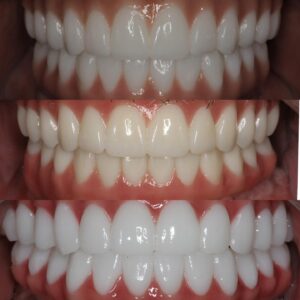
The final restoration is about much more than making teeth look white.
The teeth need to work with your mouth, your bite, and your appearance.
Patients often have preferences about their smile. Some want a brighter appearance. Others want something very natural and subtle. Some patients want to restore the smile they remember having years ago.
These conversations matter.
A full arch restoration is something you will use every day to eat, speak, smile, and interact with other people. The goal is to create teeth that function well and help you feel confident.
This is why the All on 4® treatment process should not feel rushed.
Each stage contributes to the final result.
The consultation matters.
The planning matters.
The surgery matters.
The healing period matters.
The final restoration matters.
They are all connected.
Life After All on 4® Treatment
Patients often spend so much time researching the procedure that they forget to think about what comes afterward.
Life continues.
You still need to care for your mouth.
You still need professional maintenance.
You still need to protect your investment.
All on 4® teeth cannot develop cavities in the same way natural teeth can, but that does not mean cleaning is optional. The gums and tissues around dental implants still need proper care.
Your dental team will explain how to clean around your restoration and what tools may be helpful.
Routine professional visits are also important. These appointments allow the dental team to check the health of the tissues, examine the restoration, evaluate the bite, and professionally clean areas that may be difficult to reach at home.
Long term success is a partnership between the patient and the dental team.
Why Understanding the Process Matters
Many people delay dental implant treatment because they are afraid of what they do not understand.
They imagine the entire process happening at once.
They picture a complicated surgery without understanding the planning that happens first.
They worry about recovery without knowing that they will receive instructions and support.
They assume their situation is too complicated before they have even been evaluated.
Understanding the All on 4® treatment process can make the experience feel much more manageable.
You do not have to solve everything in one day.
The first step is simply getting information.
At Full Arch Dental Implant Center, we believe patients should understand their treatment. Clear information helps people make confident decisions about their health.
If you are researching All on 4® treatment because you are tired of failing teeth, missing teeth, or unstable dentures, remember that the process begins with a conversation.
You can ask questions.
You can learn about your options.
You can understand what each stage involves before deciding what comes next.
The All on 4® treatment process is a journey from evaluation and planning through treatment, healing, and long term care. When each step is explained clearly, what once seemed overwhelming can become much easier to understand.
For many patients, learning about the process is the moment treatment stops feeling like an unknown and starts feeling like a real possibility.