One of the first questions people ask after learning about dental implants is, “How long do they actually last?”
It’s a great question, especially because dental implants are a significant investment. If you’re considering replacing one tooth or an entire arch with All on 4® treatment, you deserve to know what you can realistically expect years down the road.
You’ve probably seen advertisements claiming dental implants last forever. Others say they’ll last twenty years. Then you read a story online about someone’s implant failing after only a few months.
So which one is true?
The honest answer is that dental implants are designed to be a long-term solution, and many patients enjoy them for decades. Some implants have even lasted a lifetime. But like natural teeth, their longevity depends on how well they’re cared for and several other important factors.
Let’s break down what actually determines how long dental implants last and what you can do to help protect your investment.
First, What Exactly Is a Dental Implant?
Before talking about how long dental implants last, it’s important to understand what they actually are.
A dental implant isn’t the visible tooth that people see when you smile.
The implant itself is a small titanium post that is placed into your jawbone. Over time, your bone heals around the implant in a process called osseointegration, creating a stable foundation for your replacement tooth or teeth.
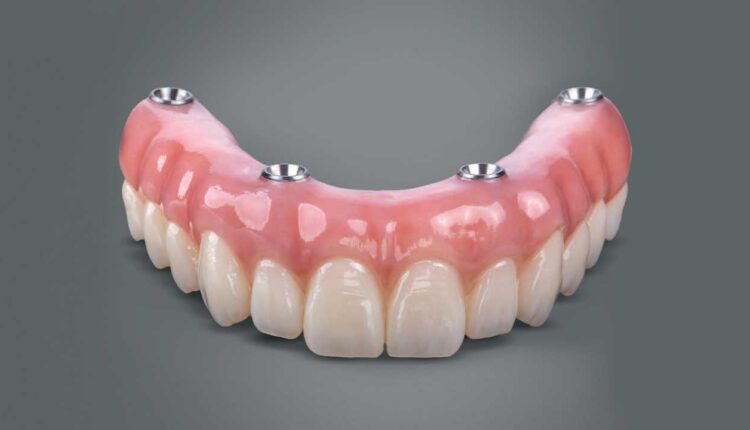
The visible portion, whether it’s a crown, bridge, or full arch restoration, attaches to that implant.
This is an important distinction because different parts of the restoration may have different lifespans.
The implant itself may last for decades, while the restoration attached to it may eventually need maintenance or replacement because of normal wear.
Dental Implants Are Built to Last
Titanium has been used in medicine for decades because it is incredibly strong and highly compatible with the human body.
Unlike natural teeth, implants can’t develop cavities.
They also don’t have nerves, so you won’t get a traditional toothache inside an implant.
That’s one reason implants have become such a reliable option for replacing missing teeth.
However, “strong” doesn’t mean “indestructible.”
Dental implants still depend on healthy gums, healthy bone, and good oral hygiene.
Just because an implant can’t get a cavity doesn’t mean it can be neglected.
What Can Shorten the Life of a Dental Implant?
One of the biggest misconceptions is that once an implant is placed, you never have to think about it again.
In reality, long-term success depends on several factors.
Poor oral hygiene is one of the biggest reasons implant complications develop. Plaque and bacteria can build up around implants just like they do around natural teeth. If inflammation develops and isn’t treated, it can affect the gums and bone supporting the implant.
Smoking is another major factor. Smoking reduces blood flow, slows healing, and increases the risk of implant complications. While many smokers have successful implants, smoking has consistently been shown to increase the risk of problems over time.
Teeth grinding can also create excessive force on implants. Some patients benefit from wearing a custom night guard to help protect both their implants and their restoration while they sleep.
Certain medical conditions and medications may also influence healing or long-term success. That’s one reason your dentist reviews your complete medical history before recommending treatment.
Can an Implant Fail Years Later?
Yes, although it’s not common.
Implant failure is often divided into two categories.
Early failure usually occurs before the implant fully integrates with the bone. This is relatively uncommon, but it can happen if healing is interrupted or if the implant never fully bonds with the jaw.
Late failure happens after the implant has already been functioning successfully. This is more often related to bone loss around the implant, untreated gum inflammation, excessive bite forces, or other long-term issues.
The good news is that regular dental visits can often identify small problems before they become major ones.
That’s why routine maintenance is just as important after dental implant treatment as it is before.
Do Full Arch Dental Implants Last as Long?
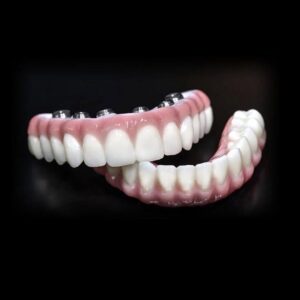
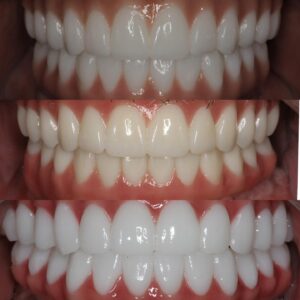
Patients considering All on 4® treatment often ask if a full arch restoration lasts as long as individual implants.
The answer depends on which part you’re talking about.
The implants themselves are designed to be long-lasting.
The bridge attached to those implants experiences years of chewing forces and normal wear. Depending on the materials used and how well they’re maintained, adjustments, repairs, or eventual replacement of the prosthetic may be recommended after many years.
Think of it like replacing the tires on a car.
The car itself may last for many years, but certain components naturally wear over time.
That doesn’t mean the entire system has failed.
It’s simply part of maintaining something you use every day.
How Can You Help Your Implants Last?
One of the best things about dental implants is that patients have a great deal of control over their long-term success.
Brush every day.
Clean around your implants exactly as instructed by your dental team.
Keep your regular hygiene appointments.
Attend routine examinations so your dentist can monitor your gums, bone, and restoration.
If you grind your teeth, wear any protective appliance that has been recommended.
If you smoke, consider talking with your healthcare provider about quitting. Even reducing tobacco use can have a positive impact on your overall oral health.
These simple habits can go a long way toward protecting your investment.
Are Dental Implants Worth It?
Only you can answer that question based on your goals and your oral health.
For many people, dental implants restore much more than missing teeth.
They restore confidence.
They restore comfort while eating.
They restore the ability to smile without feeling self-conscious.
They restore stability that many traditional dentures simply can’t provide.
When viewed over many years, many patients feel that investment has been well worth it because of the improvement in their daily quality of life.
The Bottom Line
So, can dental implants really last a lifetime?
In many cases, they can last for decades, and some patients enjoy them for the rest of their lives. However, there is no guarantee that any dental treatment will last forever.
The key is understanding that dental implants are a partnership between modern dentistry and your daily habits.
At Full Arch Dental Implant Center, we believe patients should know exactly what to expect before making such an important decision. With proper planning, excellent home care, and regular professional maintenance, dental implants have the potential to provide a healthy, functional smile for many years to come.
If you’re considering All on 4® treatment or another implant solution, asking how long dental implants last is one of the smartest questions you can ask. The answer depends on many factors, but with the right care, your new smile can be built to stand the test of time.