If you have undergone cancer treatment and are now considering replacing missing or failing teeth, you may wonder whether dental implants are still an option. Cancer treatment can affect the body in several ways, and some therapies require special consideration before undergoing oral surgery.
The possibility of receiving All-on-4® dental implants after cancer treatment depends on your individual medical history, the type of treatment you received, your current health, and the condition of your jawbone.
A previous cancer diagnosis does not automatically mean you cannot receive dental implants. However, it is important to understand that certain cancer treatments can influence healing and may affect how your dental team approaches implant surgery.
For some patients, treatment may be possible with additional planning and coordination between healthcare providers. For others, alternative restorative options may be more appropriate.
The first step is understanding how your previous treatment may influence your oral health.
Why Cancer Treatment Matters When Considering Dental Implants
Dental implants depend on healthy surrounding tissues and adequate bone support.
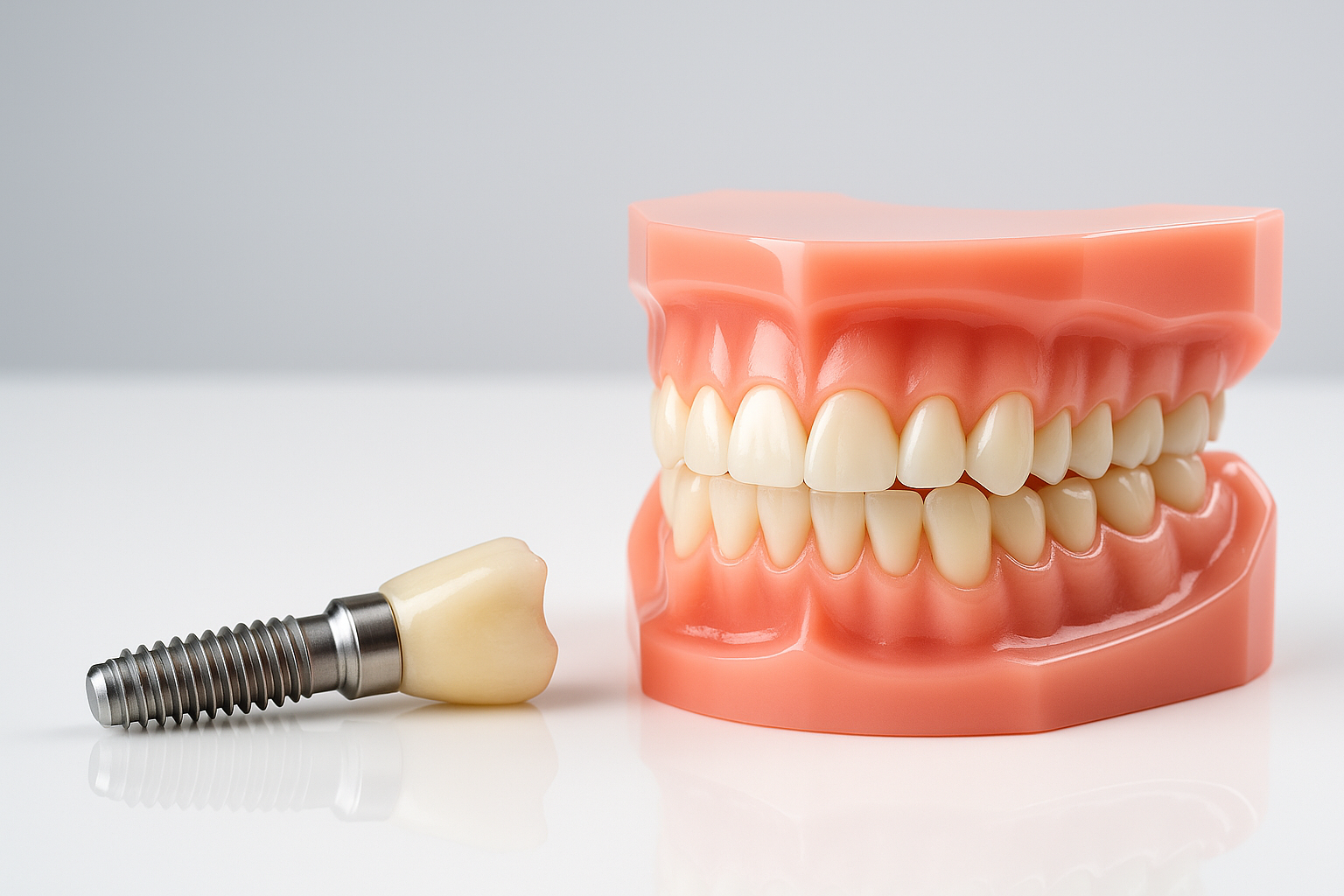
During All-on-4® treatment, implants are surgically placed within the jawbone to support a fixed full arch of replacement teeth.
Following placement, the implants need to develop a stable connection with the surrounding bone through a process called osseointegration.
Certain cancer treatments can affect the body’s ability to heal, the condition of oral tissues, and the health of the jawbone.
The effects vary depending on the medications used, radiation exposure, treatment location, dosage, and individual medical circumstances.
This is why your dental team needs a complete understanding of your cancer treatment history before determining whether implant surgery is appropriate.
Can You Get Dental Implants After Chemotherapy?
Chemotherapy affects rapidly dividing cells and may temporarily influence the body’s ability to heal and fight infection.
During active chemotherapy, patients may experience changes in blood cell counts, immune function, and oral health.
These factors can make elective oral surgery more complicated.
For someone who has completed chemotherapy, the situation may be different.
Your dental team may need to review your current health, treatment history, blood counts when appropriate, and any ongoing medications before recommending surgery.
There is no universal waiting period that applies to every person who has undergone chemotherapy.
The appropriate timing depends on the specific treatment and your recovery.
Never assume that completing your final chemotherapy session automatically means you are ready for implant surgery. Your oncologist and dental team may need to coordinate before proceeding.
What if You Had Radiation Treatment?
Radiation therapy is particularly important to discuss when considering dental implants.
However, not all radiation treatment affects the mouth or jaw in the same way.
Someone who received radiation to an area far from the head and neck may have different considerations from someone whose treatment directly involved the jawbone.
Radiation involving the head and neck can affect blood supply, bone health, and the ability of certain tissues to heal.
In some cases, it can increase the risk of a serious complication known as osteoradionecrosis, in which irradiated jawbone becomes damaged and may fail to heal properly.
This makes surgical planning especially important.
If you previously received radiation to your head or neck, tell your dental team before scheduling implant treatment.
They may need information about the radiation field, dose, treatment dates, and your current oral condition.
Why the Location of Radiation Matters
Patients sometimes say they have undergone radiation without realizing how important the treatment location is to dental planning.
Radiation to the jawbone creates different considerations than radiation delivered to another part of the body.
If your previous treatment involved your mouth, throat, jaw, or nearby structures, your dental team may need additional medical records.
The purpose is to understand which tissues were exposed and whether implant placement would involve areas that require special precautions.
Your dentist should not make this determination based only on how your gums look during a routine examination.
Your treatment history, imaging, and communication with your medical providers may all be necessary.
What Is Osteoradionecrosis?
Osteoradionecrosis is a potential complication associated with radiation exposure involving the jaw.
Radiation can affect the bone’s blood supply and healing capacity, making it more difficult for certain areas to recover from injury or surgical procedures.
Not every patient who receives head and neck radiation develops this condition.
However, the possibility must be considered before procedures involving the jawbone.
Because dental implant placement is a surgical procedure, patients with a history of radiation involving the jaw may require specialized evaluation.
In some circumstances, implant treatment may not be recommended.
The safest approach is an individualized assessment rather than assuming that dental implants are appropriate for every cancer survivor.
What if Cancer Treatment Caused You to Lose Teeth?
Some patients begin considering All-on-4® because their oral health changed significantly during or after cancer treatment.
Cancer therapies can sometimes contribute to dry mouth, oral inflammation, changes in saliva production, and other complications that make maintaining natural teeth more difficult.
A persistent reduction in saliva can increase the risk of tooth decay and other oral health problems.
For someone who has experienced extensive dental deterioration, replacing an entire arch may become a consideration.
However, the reason your teeth were lost is only one part of the evaluation.
Your dental team must also determine whether the remaining bone and surrounding tissues can safely support implants.
Restoring your smile should never come at the expense of overlooking an important medical risk.
Can All-on-4® Help Patients With Significant Tooth Loss?
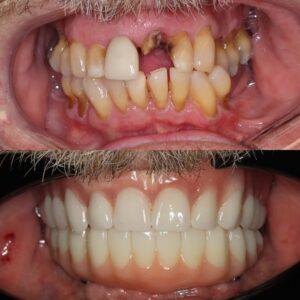
All-on-4® is designed to replace a full arch of missing or failing teeth using a fixed restoration supported by strategically positioned dental implants.
For appropriately selected patients, this approach can provide an alternative to traditional removable dentures.
However, a history of cancer treatment may influence whether this treatment is suitable.
The number of implants alone does not determine candidacy.
Your dental team must evaluate the available bone, tissue health, medical history, and any treatment-related complications that could affect surgery or long-term maintenance.
A consultation allows these factors to be considered together.
What if You Are Taking Medication for Bone Health?
Certain medications used in cancer care can affect bone metabolism.
These may include medications such as bisphosphonates or denosumab, which can be prescribed for different medical reasons, including some cancer-related conditions.
In certain circumstances, these medications are associated with a complication called medication-related osteonecrosis of the jaw, or MRONJ.
The level of risk varies depending on the medication, dosage, route of administration, treatment history, and other individual factors.
This is particularly important when considering procedures involving the jawbone.
Tell your dental team about every medication you currently take, as well as relevant medications you received in the past.
Do not stop or change prescribed cancer or bone-related medication on your own.
Any medication decisions should be coordinated with the healthcare professional managing your treatment.
Does Your Oncologist Need to Approve Dental Implant Surgery?
Depending on your medical history, your dental team may recommend coordinating with your oncologist or another treating specialist before proceeding.
This communication can help clarify whether you have completed active treatment, whether any ongoing medications create additional concerns, and whether your current health is appropriate for elective oral surgery.
For patients who received head and neck radiation, information about the radiation treatment may be especially valuable.
Medical coordination is not necessarily a sign that something is wrong.
It is a way to ensure that your dental treatment is planned with an accurate understanding of your overall health.
What if You Are Still Receiving Cancer Treatment?
If you are currently undergoing chemotherapy, radiation, immunotherapy, or another cancer treatment, inform your dental team immediately.
Active treatment may influence the timing and safety of elective dental procedures.
Your medical team may recommend postponing certain procedures or coordinating necessary dental care around your treatment schedule.
The appropriate decision depends on your diagnosis, treatment regimen, current health, and dental needs.
Do not delay necessary evaluation for dental pain, infection, or other urgent concerns simply because you are undergoing cancer treatment.
Instead, contact your dental and medical providers so they can determine how your dental needs should be managed safely.
What Happens During an All-on-4® Consultation After Cancer Treatment?
Your consultation should begin with a thorough review of your dental and medical history.
Be prepared to discuss the type of cancer treatment you received, when treatment occurred, whether radiation involved your head or neck, and which medications you currently take.
Your dental team will also evaluate your oral health and available jawbone.
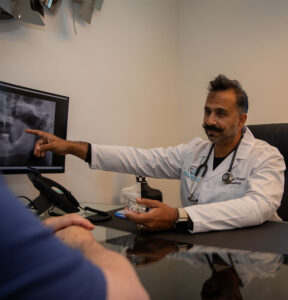
Three-dimensional imaging may be used when appropriate to help assess the anatomy and plan potential implant placement.
If additional medical information is necessary, your dentist may request records or communicate with your treating physician.
The purpose of this process is to determine whether All-on-4® is a reasonable option for your individual circumstances.
Why Healing Ability Matters
Successful dental implant treatment requires more than placing implants into the jaw.
The surrounding tissues need to heal, and the implants must develop adequate stability within the bone.
Certain cancer treatments may influence these processes.
This does not mean every person who has undergone cancer treatment will experience poor healing.
It means your dental team needs to evaluate the factors that may affect your recovery.
Your current nutritional status, medications, medical conditions, oral health, and previous treatments can all contribute to the overall picture.
A personalized treatment plan should account for these considerations before surgery begins.
What if You Are Not a Candidate for All-on-4®?
Being told that dental implant surgery is not recommended can be disappointing, particularly if you have already experienced significant health challenges.
However, All-on-4® is not the only way to replace missing teeth.
Depending on your oral condition and medical circumstances, your dental team may discuss other restorative options.
The most appropriate solution is the one that balances your dental needs, comfort, function, and overall safety.
A fixed restoration may be your preferred choice, but it should only be pursued when your healthcare providers believe it is appropriate for your circumstances.
The Importance of Long-Term Dental Care After Cancer Treatment
Whether or not you receive dental implants, maintaining your oral health remains important after cancer treatment.
Some treatment-related changes, such as persistent dry mouth, may require ongoing management.
If you receive All-on-4®, the surrounding gum tissue and supporting bone still need regular professional monitoring.
Dental implants cannot develop cavities, but inflammation and other complications can occur around them.
Your dental team can recommend a maintenance schedule and home cleaning routine based on your individual needs.
Continue keeping your medical providers informed about any significant changes in your oral health.
Can You Get All-on-4® Dental Implants After Cancer Treatment?
Receiving All-on-4® dental implants after cancer treatment may be possible, but candidacy depends on several important factors.
The type of cancer treatment you received, whether radiation involved your jaw, your medication history, current health, and available bone all need to be considered before implant surgery.
A previous cancer diagnosis does not automatically rule out dental implants, but certain treatment histories can make surgery higher risk or unsuitable.
At Full Arch Dental Implant Center in Lake Havasu City, we believe every patient deserves an individualized evaluation. If you have undergone cancer treatment and are exploring options for replacing missing or failing teeth, sharing your complete medical history is an important first step.
Your health comes first. The goal is to determine whether restoring your smile with All-on-4® is an appropriate option for you, with careful consideration of both your dental needs and your long-term well-being.