
Missing teeth and digestion are more connected than many people realize. Most people think of missing teeth as a cosmetic problem because they affect the way a smile looks. While appearance is certainly important, your teeth play another major role every single day. They help prepare your food for digestion. When several teeth are missing, especially an entire arch of teeth, the digestive process can be affected long before food ever reaches your stomach.
Many patients are surprised to learn that digestion actually begins in the mouth.
Your Stomach Is Not Where Digestion Starts
When you eat, your body immediately begins breaking food down.
Your teeth cut, tear, and grind food into smaller pieces. At the same time, saliva begins mixing with your food. Saliva contains enzymes that begin breaking down certain carbohydrates before you even swallow.
By the time food reaches your stomach, your mouth has already done an important part of the work.
When several teeth are missing, that first step becomes much more difficult.
Instead of thoroughly chewing each bite, many people begin swallowing larger pieces of food simply because chewing has become uncomfortable or impossible.
That may not seem like a big deal at first, but it can change the way your body processes meals.
Chewing Matters More Than You Think
Have you ever eaten too quickly and ended up with an upset stomach?
Most people have.
One reason is that food was not chewed well enough before swallowing.
Now imagine trying to chew without several teeth.
Many people with missing teeth automatically begin chewing on only one side of their mouth. Others avoid using the front teeth altogether. Some stop chewing foods thoroughly because it takes too much effort.
Over time, this becomes a habit.
The problem is that larger pieces of food require more work from the digestive system.
Chewing is one of the simplest ways to help your body process food efficiently.
Missing teeth can make that simple step much more difficult.
Food Choices Often Begin to Change
One of the biggest ways missing teeth and digestion are connected is through the foods people stop eating.
This usually happens slowly.
A crisp apple feels too difficult to bite into.
Raw vegetables become frustrating.
Steak takes too much chewing.
Nuts become uncomfortable.
Before long, many people begin choosing softer foods because they are easier to eat.
Unfortunately, softer foods are not always the healthiest foods.
Some processed foods require very little chewing, while many fresh fruits, vegetables, and lean proteins require more effort.
Over time, patients may unintentionally reduce the variety of foods they eat simply because chewing has become too difficult.
This is one reason dentists often encourage patients to replace missing teeth instead of simply learning to live without them.
Nutrition Can Be Affected
A balanced diet depends on being able to comfortably eat a variety of foods.
When chewing becomes difficult, nutrition may also change.
Some patients begin eating fewer fruits and vegetables.
Others avoid meats because they are difficult to chew.
Instead, they rely on foods that are softer but may also be higher in sugar or processed carbohydrates.
This is not because they want to make unhealthy choices.
It is because those foods feel easier to eat.
Over time, these changes can affect overall health.
Good oral health and good overall health are closely connected, and eating a balanced diet is part of both.
Missing Teeth Can Affect Confidence at Mealtime
The connection between missing teeth and digestion is not only physical.
It can also be emotional.
Many people become uncomfortable eating in front of others.
They may worry about how long it takes to chew.
They may avoid ordering certain foods at restaurants.
Some people even decline invitations to dinner because they feel embarrassed about their teeth.
Food is often part of life’s biggest moments.
Birthday parties.
Holiday meals.
Family barbecues.
Dinner with friends.
When missing teeth make those experiences stressful, people sometimes begin avoiding them altogether.
Replacing missing teeth is not only about improving function.
It can also help people feel more comfortable enjoying everyday moments again.
Can Replacing Missing Teeth Help?
Every patient is different, so the right treatment depends on the condition of the mouth, the number of missing teeth, and overall oral health.
Some patients may only need to replace one tooth.
Others may benefit from bridges or partial dentures.
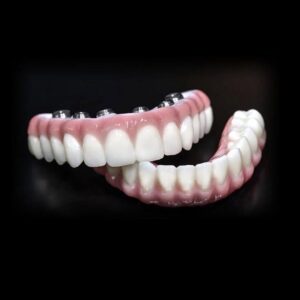
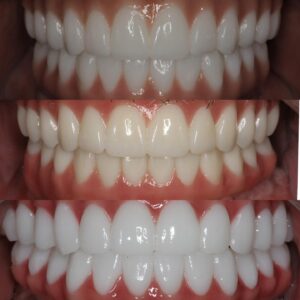
Patients who have lost most or all of their teeth may be candidates for full arch dental implants, including All on 4® treatment.
The goal of replacing missing teeth is not simply to improve appearance.
It is to restore function.
That means helping patients chew more comfortably, speak clearly, and enjoy meals with greater confidence.
All on 4® treatment uses dental implants to support an entire arch of replacement teeth. For appropriate candidates, this creates a stable foundation that allows the teeth to function together during everyday activities like eating and speaking.
Following Treatment, Healing Comes First
Patients often ask if they will immediately return to eating all of their favorite foods after receiving All on 4® treatment.
Healing takes time.
Your dental team will provide instructions about what foods are appropriate during each stage of recovery.
Following those guidelines is important because the implants need time to heal properly.
As healing progresses, many patients gradually return to a wider variety of foods according to their doctor’s recommendations.
Patience during recovery helps protect the long term success of the treatment.
Small Changes Can Make a Big Difference
Many people adapt to missing teeth without realizing how much their lives have changed.
They cut food into smaller pieces.
They stop ordering certain meals.
They chew on one side of the mouth.
They eat more slowly than everyone else at the table.
Eventually, those adjustments begin to feel normal.
However, they are often signs that the mouth is no longer functioning the way it should.
That is why replacing missing teeth is about much more than filling empty spaces.
It is about helping the mouth do the job it was designed to do.
A Healthy Smile Supports Your Overall Health
Your mouth is the beginning of your digestive system.
Healthy teeth help you chew food properly, enjoy a wider variety of nutritious meals, and eat comfortably with family and friends.
When several teeth are missing, those simple activities can become much more difficult.
If you have been living with missing teeth, you may not realize how much they have changed your eating habits until you stop and think about it.
At Full Arch Dental Implant Center, we believe patients deserve to understand how tooth loss affects more than just their smile. Learning about the connection between missing teeth and digestion can help you make informed decisions about your oral health and your overall well being.
Sometimes restoring your smile is not just about looking better.
It is about helping your body function the way it was meant to.