When people hear about dental implants or full mouth restoration, they often assume the primary goal is cosmetic. While improving the appearance of a smile is certainly important, replacing teeth is about more than appearance. In fact, many patients who pursue treatment are far more concerned about comfort, function, and quality of life than they are about aesthetics alone.
The truth is that missing teeth affect much more than what you see in the mirror.
Patients researching replacing teeth is about more than appearance are often experiencing challenges that extend into nearly every part of daily life. Eating may have become difficult. Certain foods may be avoided entirely. Speaking may feel different than it once did. Even simple activities like smiling, laughing, or participating in social situations can become sources of stress.
Many people adapt to these limitations gradually.
When a tooth is lost, the body begins making adjustments. Patients often chew differently without realizing it. They may favor one side of the mouth or avoid foods that are difficult to manage. Over time, these habits become normal, making it easy to underestimate how much tooth loss has affected everyday life.
One of the most important reasons replacing teeth is about more than appearance involves maintaining proper oral function. Teeth work together as a system. When one or more teeth are missing, the remaining teeth often absorb additional pressure. This can affect bite balance, chewing efficiency, and long term oral health.
Patients researching benefits of replacing missing teeth are often surprised to learn how much missing teeth can influence overall wellness. The ability to chew comfortably plays an important role in nutrition. People who struggle with tooth loss frequently limit their diets to foods that are easier to eat, which may reduce variety and affect nutritional choices over time.
Another factor is confidence.
Many individuals living with missing teeth become highly aware of their smiles during conversations and social interactions. Some smile less frequently. Others avoid photographs or feel uncomfortable meeting new people. While these changes may seem minor, they can have a significant impact on self esteem and emotional well being.
There is also the issue of long term oral health. Missing teeth can contribute to shifting teeth, bite changes, and jawbone loss over time. These changes may create additional challenges if left unaddressed for many years. This is one reason patients often choose to explore treatment options sooner rather than later.
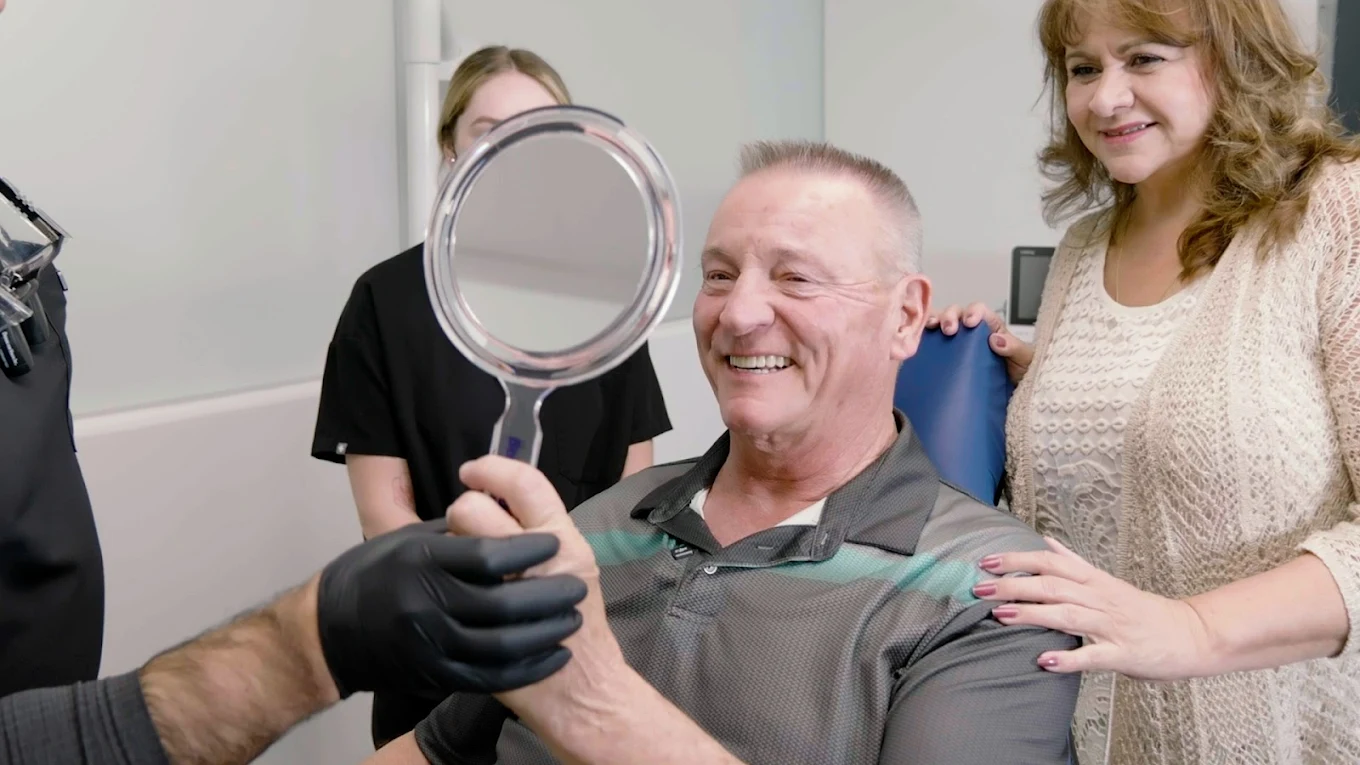
One of the most rewarding aspects of full arch restoration is seeing how patients respond after treatment. While many appreciate the appearance of their new smile, they frequently talk about other improvements first. They mention enjoying meals again, feeling more comfortable in public, speaking with greater confidence, and no longer thinking about their teeth throughout the day.
Those changes often have a greater impact than the cosmetic improvements alone.
At Full Arch Dental Implant Center, we believe successful treatment is measured by much more than appearance. The goal is to help patients regain comfort, stability, confidence, and the ability to fully participate in everyday life without limitations caused by missing or failing teeth.
Understanding that replacing teeth is about more than appearance helps patients see the bigger picture. Restoring a smile is important, but restoring function, freedom, and quality of life is often what makes the greatest difference.
For many people, that realization becomes the first step toward exploring a solution that can improve far more than their appearance alone.