One of the most common questions people search before scheduling a consultation is when is it too late to save your teeth. It is an understandable concern because most people want to keep their natural teeth whenever possible. If you have multiple broken teeth, loose teeth, recurring infections, or advanced gum disease, you may be wondering whether your teeth can still be treated or if it is time to consider a full mouth solution like All on 4®.
The answer is different for every patient, but understanding how dentists evaluate failing teeth can help you make a more informed decision.
The first thing to know is that dentists do not recommend removing healthy teeth simply because implants are available. Preserving natural teeth is almost always the preferred option when those teeth have a strong long term outlook. The challenge is determining whether a tooth can realistically continue functioning for many years or whether repeated repairs are only delaying a larger problem.
One important factor is the amount of healthy tooth structure that remains. Teeth that have been repaired multiple times over many years often become weaker with each procedure. Large fillings, repeated fractures, extensive decay, or old crowns that continue failing may leave very little healthy tooth behind to support another restoration.
Another consideration is the health of the surrounding gums and bone. Teeth rely on healthy support underneath the gumline. If advanced periodontal disease has destroyed a significant amount of bone, a tooth may become loose even if the visible portion of the tooth appears relatively healthy.
Patients searching when is it too late to save your teeth are often surprised to learn that dentists evaluate much more than what can be seen during a visual examination. Digital imaging, X rays, bite analysis, and an overall assessment of oral health all help determine whether preserving the teeth will provide a predictable long term result.
Repeated infections are another warning sign. If the same teeth continue becoming infected despite treatment, it may indicate that the underlying condition is progressing. In these situations, continuing to repair individual teeth may not always provide the healthiest long term outcome.
Many patients also ask whether losing several teeth automatically means they need full mouth restoration. The answer is no. Every case is unique. Some patients benefit from individual restorations, while others with widespread damage may be better served by replacing an entire arch. The recommendation depends on the overall condition of the mouth, not simply the number of damaged teeth.
Another important question involves quality of life. Patients who have spent years dealing with emergency dental visits, broken teeth, discomfort while eating, and repeated dental work often reach a point where they want a more predictable solution. Rather than constantly fixing one problem after another, they begin exploring options designed to restore long term function and stability.
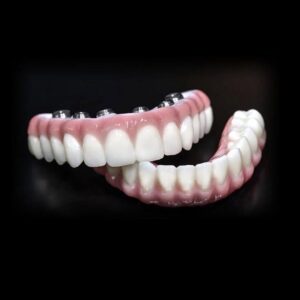
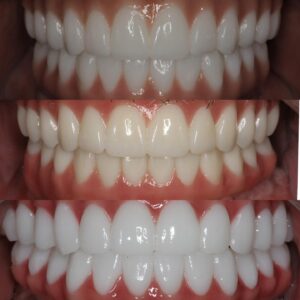
This is where many patients begin learning about All on 4® treatment. For people with multiple failing teeth, advanced bone loss, or extensive dental disease, full arch restoration may provide a more reliable long term solution than continuing a cycle of temporary repairs.
At Full Arch Dental Implant Center, we understand that deciding whether to save or replace teeth is a significant decision. That is why every recommendation begins with a thorough evaluation and an honest conversation about your long term oral health.
If you have been wondering when is it too late to save your teeth, the most important thing to remember is that assumptions are not diagnoses. The best way to find the answer is through a comprehensive examination that looks at your entire oral health picture. You may discover that you have more options than you ever expected.