Can All-on-4® dental implants get infected? It is an important question because replacement teeth can sometimes create the impression that many traditional dental problems simply disappear. You cannot get a cavity inside a dental implant, and the restoration itself is not a natural tooth. However, the implants are surrounded by living gum tissue and bone, and those tissues still need protection.
Inflammation and infection can develop around dental implants.
This does not mean infection is an inevitable part of having All-on-4®. It means oral hygiene and professional maintenance continue to matter after your natural teeth have been replaced.
Knowing what healthy implant tissue should look and feel like can also help you recognize when something has changed.
Where Would an Infection Actually Develop?
The implant itself is not becoming “infected” in quite the same way that a natural tooth can develop an infection inside its pulp.
The concern is primarily the tissue surrounding the implant.
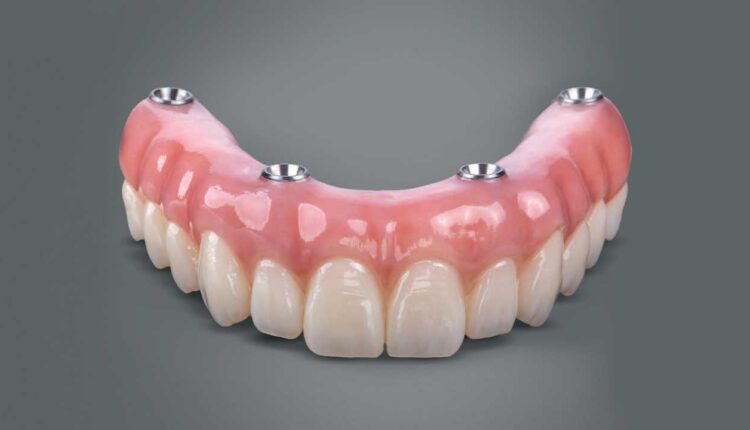
Dental implants are placed into the jawbone and extend through the gum tissue to support the restoration. That means bacteria in your mouth can affect the tissues around the implant if plaque is allowed to accumulate.
Early inflammation around an implant may involve the gum tissue. More advanced disease can affect the supporting bone.
This is why implant dentistry does not end when the new teeth are attached.
Your implants depend on the health of the structures surrounding them.
Can All-on-4® Dental Implants Get Infected From Poor Cleaning?
Can All-on-4® dental implants get infected if you do not clean underneath your teeth? Poor oral hygiene can increase the risk of inflammation around dental implants because plaque and bacteria can collect around the gumline and underneath a full arch restoration.
Brushing only the front surfaces of your new teeth is not enough.
The area underneath the restoration also needs attention.
Your dental team may recommend a water flosser, specialized floss, interdental brushes, or other tools depending on the design of your restoration.
At first, cleaning underneath an entire arch may feel awkward.
That is normal.
Ask your dental team to demonstrate the technique until you feel comfortable doing it yourself. A cleaning routine is only useful if you actually understand how to perform it.
What Is Peri-Implant Mucositis?
You may hear your dentist use the term peri-implant mucositis.
This describes inflammation involving the soft tissue around a dental implant without the progressive supporting bone loss associated with the more advanced condition called peri-implantitis.
One of the possible signs is bleeding around the implant area.
The important lesson is that inflammation around an implant should not simply be ignored because the implant does not hurt.
Early changes in the gum tissue deserve attention.
If your gums repeatedly bleed, appear swollen, or feel tender around your implants, let your dental team know.
What Is Peri-Implantitis?
Peri-implantitis is a more serious inflammatory condition involving the tissues around a dental implant and progressive loss of supporting bone.
This is one of the reasons long term implant maintenance is so important.
Bone is part of the foundation keeping an implant stable. Protecting that supporting structure is essential to the longevity of your treatment.
The condition cannot be diagnosed simply because your gums bled once when you cleaned them.
Your dentist needs to examine the tissues and may use imaging and other clinical information to determine what is happening.
If there is a concern, identifying it sooner gives your dental team an opportunity to discuss appropriate treatment.
What Are the Warning Signs of an All-on-4® Infection?
There is no single symptom that every patient experiences.
Changes around your implants may include persistent redness, swelling, tenderness, or bleeding. Some patients may notice an unpleasant taste or odor. Drainage around the gum tissue can also be concerning.
You should also pay attention to changes in the way your restoration feels.
If something begins moving, your bite suddenly changes, or an area that was previously comfortable becomes painful, contact your dental team.
These symptoms do not automatically prove that you have an infection.
They simply mean something has changed and deserves professional evaluation.
Do not wait for severe pain before making the call.
Dental problems can sometimes progress without producing the dramatic pain people expect.
What Is Normal Right After Surgery?
This is where things can become confusing.
All-on-4® surgery naturally causes some temporary symptoms while your mouth heals. Swelling, tenderness, and other postoperative changes may occur during the early recovery period.
That does not mean every swollen area is infected.
Your dental team should give you instructions explaining what to expect after surgery and which symptoms should prompt a phone call.
Pay particular attention to the pattern of your recovery.
Generally, you want symptoms to move in the direction of healing rather than suddenly becoming significantly worse.
If you are unsure whether what you are experiencing is normal, call the office.
You do not need to diagnose an infection yourself.
Can Food Under All-on-4® Teeth Cause an Infection?
Food can become trapped underneath an All-on-4® restoration, but finding a piece of food there does not mean you have an infection.
The problem develops when plaque, bacteria, and debris are repeatedly allowed to remain around the implant areas.
This is why cleaning underneath the restoration is part of everyday maintenance.
Rinsing with water after meals can help remove loose particles, while your regular cleaning routine provides a more thorough cleaning.
If food constantly becomes trapped in one particular area despite good hygiene, mention it during your dental visit.
Your dental team can evaluate the restoration and show you the best way to access that area.
Does Smoking Increase the Risk?
Smoking can negatively affect oral tissues and is an important risk factor to discuss with your implant dentist.
Tobacco use can interfere with healing after implant placement and can contribute to problems involving the tissues around implants.
If you smoke, do not hide it from your dental team.
Your dentist is not asking because they want to lecture you. They need accurate information to evaluate risk and help you protect your treatment.
If you are considering quitting, your healthcare providers can also help you find appropriate resources and support.
What About Diabetes?
Health conditions can influence the way your body heals and responds to inflammation.
Diabetes is one example where management of the condition can be relevant to dental implant care.
Having diabetes does not automatically mean you will develop an implant infection, nor does it automatically mean you cannot receive All-on-4® treatment.
Your overall health, how well the condition is controlled, your medications, and other factors need to be considered individually.
Keep your implant dentist updated when your health changes.
A medical history completed before surgery should not be the last conversation you ever have about your health.
Why Regular Dental Visits Still Matter
It is easy to understand why someone with a full arch of replacement teeth might think regular dental appointments are no longer necessary.
No natural teeth means no cavities, right?
But your maintenance visits are about much more than cavities.
Your dental team can examine the tissues surrounding your implants, check for inflammation, professionally remove buildup, evaluate your restoration, and monitor your bite.
They can also identify areas you may be missing during home cleaning.
You may feel completely fine while early changes are developing around an implant.
Routine professional care gives your dental team a chance to find those changes before you are dealing with a much larger problem.
Can an Infection Cause an Implant to Fail?
If disease around an implant progresses far enough to damage the supporting tissues and bone, implant stability can eventually be threatened.
This is why symptoms should not be ignored.
However, discovering inflammation does not automatically mean an implant is doomed.
The severity of the problem matters.
Your dentist needs to determine what is happening, how much tissue is involved, whether bone has been affected, and what treatment is appropriate.
The worst thing you can do is avoid the dentist because you are afraid of what they might find.
Waiting does not make a developing problem smaller.
What Should You Do If You Think Something Is Infected?
Contact your dental office.
Do not begin taking leftover antibiotics from an old prescription. Do not attempt to clean the area aggressively enough to “get the infection out,” and do not assume mouthwash alone will solve the problem.
Your dentist first needs to determine whether an infection or inflammatory condition is actually present.
Different problems can produce similar symptoms.
For example, irritation, bite problems, food accumulation, or an issue involving the restoration could potentially create discomfort without being the same type of problem.
An examination gives you an actual diagnosis instead of an internet guess.
Protecting Your All-on-4® Teeth Long Term
The habits that protect dental implants are not especially dramatic.
They are consistent.
Brush your restoration as instructed. Clean underneath it every day. Use the additional hygiene tools recommended by your dental team.
Attend your maintenance appointments.
Avoid smoking or work toward quitting if you currently use tobacco.
Keep medical conditions appropriately managed with your healthcare providers and update your dentist about changes in your health or medications.
Most importantly, pay attention to your mouth.
If something that was stable, comfortable, and healthy suddenly changes, have it evaluated.
Can All-on-4® Dental Implants Get Infected?
Can All-on-4® dental implants get infected? The replacement teeth themselves do not develop infections like natural tooth structure, but inflammation and infection can affect the gum and bone tissues surrounding dental implants. If these conditions are allowed to progress, they can threaten the support the implants depend on.
That is why good hygiene does not stop after All-on-4® treatment.
At Full Arch Dental Implant Center, we want patients to understand that protecting their new smile includes protecting what they cannot see. The gums and bone underneath an All-on-4® restoration are part of the foundation of your treatment. Daily cleaning, professional maintenance, and paying attention when something changes can all play an important role in keeping that foundation healthy for the years ahead.
What Happens if You Skip All-on-4® Maintenance Appointments?
All-on-4® maintenance appointments can be easy to underestimate once your new teeth feel comfortable and everything seems to be working