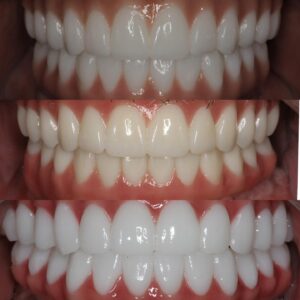

Can you get All on 4 with diabetes? For many people living with diabetes who are also struggling with missing or failing teeth, this question can create a lot of uncertainty. You may have heard that diabetes makes dental implants impossible, or you may be worried that your body will not heal properly after surgery. Diabetes can affect healing, but having diabetes does not automatically mean you cannot receive dental implants. What matters most is how well your condition is managed and what your dentist learns during a complete evaluation.
This is an especially important conversation because diabetes and oral health are closely connected. People with diabetes can be more vulnerable to certain oral health problems, particularly when blood sugar is not well controlled. At the same time, losing teeth can make eating a balanced diet more difficult. If you’re considering All on 4® treatment, your dentist needs to look at both sides of that picture rather than making a decision based only on the word “diabetes” in your medical history.
How Diabetes Can Affect Your Mouth
Diabetes affects the way your body processes glucose, but its effects are not limited to blood sugar. When diabetes is poorly controlled, it can also influence circulation, inflammation, immune response, and the body’s ability to fight infection. All of those things matter when we’re talking about the health of your gums and the way your body heals.
Gum disease is particularly important. People with diabetes can have an increased risk of developing gum disease, and uncontrolled blood sugar may make existing gum problems more difficult to manage. Advanced gum disease can damage the tissues and bone that support natural teeth, which is one reason some people with diabetes eventually begin looking into full arch dental implants.
This does not mean everyone with diabetes will lose their teeth. Far from it. It simply means that your medical health and oral health are connected, and both need to be considered when planning treatment.
Why Blood Sugar Control Matters Before Implant Surgery
If you ask can you get All on 4 with diabetes, one of the first things your dental team will want to understand is how well your diabetes is currently managed. There is an important difference between someone whose condition is stable and someone experiencing persistently uncontrolled blood sugar.
Dental implants depend on your body’s ability to heal. After an implant is placed, the surrounding jawbone gradually heals around it through a process known as osseointegration. This is what creates the stable foundation needed to support your new teeth. Because poorly controlled diabetes can interfere with healing and increase infection risk, your dentist may want additional information about your current health before recommending surgery.
In some cases, this may involve communicating with your physician or reviewing recent health information. This is not meant to create another obstacle between you and treatment. It is about making sure surgery is performed at a time when your body is prepared to heal as predictably as possible.
Having Diabetes Does Not Automatically Disqualify You
This is probably the most important point to understand. A diabetes diagnosis by itself does not tell a dentist whether you can or cannot receive implants.
Two people with diabetes can have completely different medical histories. One may have had stable blood sugar for years, maintain regular medical appointments, and have few complications. Another may currently be struggling to keep their condition under control. Treating those two people exactly the same would not make sense.
The same individualized approach applies to dental implant treatment. Your dentist will consider your overall health, medications, gum health, available bone, smoking history, oral hygiene, and other factors along with your diabetes.
That complete picture is much more useful than simply labeling someone a good or bad candidate based on one medical condition.
What Your Dentist Will Evaluate
A proper implant evaluation involves much more than looking at the teeth you have left. Your dentist will examine your gums and remaining teeth while also evaluating the bone underneath them. Advanced three-dimensional imaging can provide a detailed view of your jaw and help determine where implants may be safely positioned.
Your medical history is just as important. This is why you should never leave diabetes or other health conditions off your medical forms because you’re worried they will prevent treatment. Your dental team needs accurate information to make safe decisions.
Be prepared to discuss your medications, how your diabetes is managed, any history of healing problems, and other medical concerns. If additional information is needed from your physician, your dentist can explain why.
The purpose of this evaluation is not simply to answer yes or no. It is to determine whether treatment can be performed safely and what adjustments, if any, may be appropriate for you.
Healing After All on 4® Treatment
Healing deserves particular attention for anyone considering can you get All on 4 with diabetes. Feeling better after surgery and being fully healed are not the same thing. Your mouth may become much more comfortable within the first several days or weeks, but important healing continues underneath the gums for much longer.
During this period, following your dental team’s instructions matters. Your dentist may recommend temporary dietary changes to reduce pressure on the implants while they heal. Keeping your mouth clean is also essential because controlling bacteria around the surgical areas helps support healthy healing.
Managing your diabetes remains important as well. Implant surgery does not happen separately from the rest of your health. Following the medical plan provided by your physician and the recovery instructions provided by your dental team gives your body the best environment possible for healing.
Why Gum Health Matters After Treatment Too
Replacing failing natural teeth does not mean gum health stops mattering. Dental implants cannot develop cavities the way natural teeth can, but the tissues surrounding implants can still become inflamed.
That means daily cleaning and professional maintenance remain part of life after All on 4® treatment. Your dental team can show you how to clean around your restoration and recommend tools that make home care easier.
For someone with diabetes, maintaining healthy gums may be particularly important. Rather than thinking of implant surgery as the end of dental care, it is better to think of it as the beginning of maintaining a new smile.
Your dentist should explain the maintenance expectations before treatment so you understand what will be required long term.
Do Not Make the Decision Based on Something You Read Online
Searching the internet for information before a major dental procedure is completely reasonable. The problem begins when general information gets interpreted as a diagnosis.
You may find one article saying people with diabetes should not receive implants and another claiming diabetes makes no difference whatsoever. Neither statement tells you what is appropriate for your particular health situation.
Your medical condition, oral health, bone levels, medications, and treatment goals are specific to you. A comprehensive examination allows your dental team to work with real information rather than assumptions.
If you have been avoiding a consultation because you already decided your diabetes makes implants impossible, you may be ruling yourself out unnecessarily.
Can You Get All on 4 With Diabetes?
So, can you get All on 4 with diabetes? For some people, the answer is yes. Diabetes does require careful consideration because it can influence healing, gum health, and infection risk, particularly when blood sugar is poorly controlled. However, a diagnosis of diabetes alone does not automatically prevent someone from receiving All on 4® treatment.
The safest answer comes from having your medical and dental health evaluated together. Your dentist can examine your mouth, review your health history, discuss any concerns with your physician when appropriate, and determine whether implant treatment makes sense for you.
At Full Arch Dental Implant Center, we want patients to understand why a treatment is or is not recommended rather than simply being handed an answer. If diabetes has made you assume dental implants are no longer an option, an evaluation can give you something much more useful than an assumption: a clear understanding of where you stand and what options may be available.