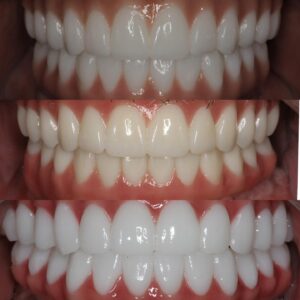
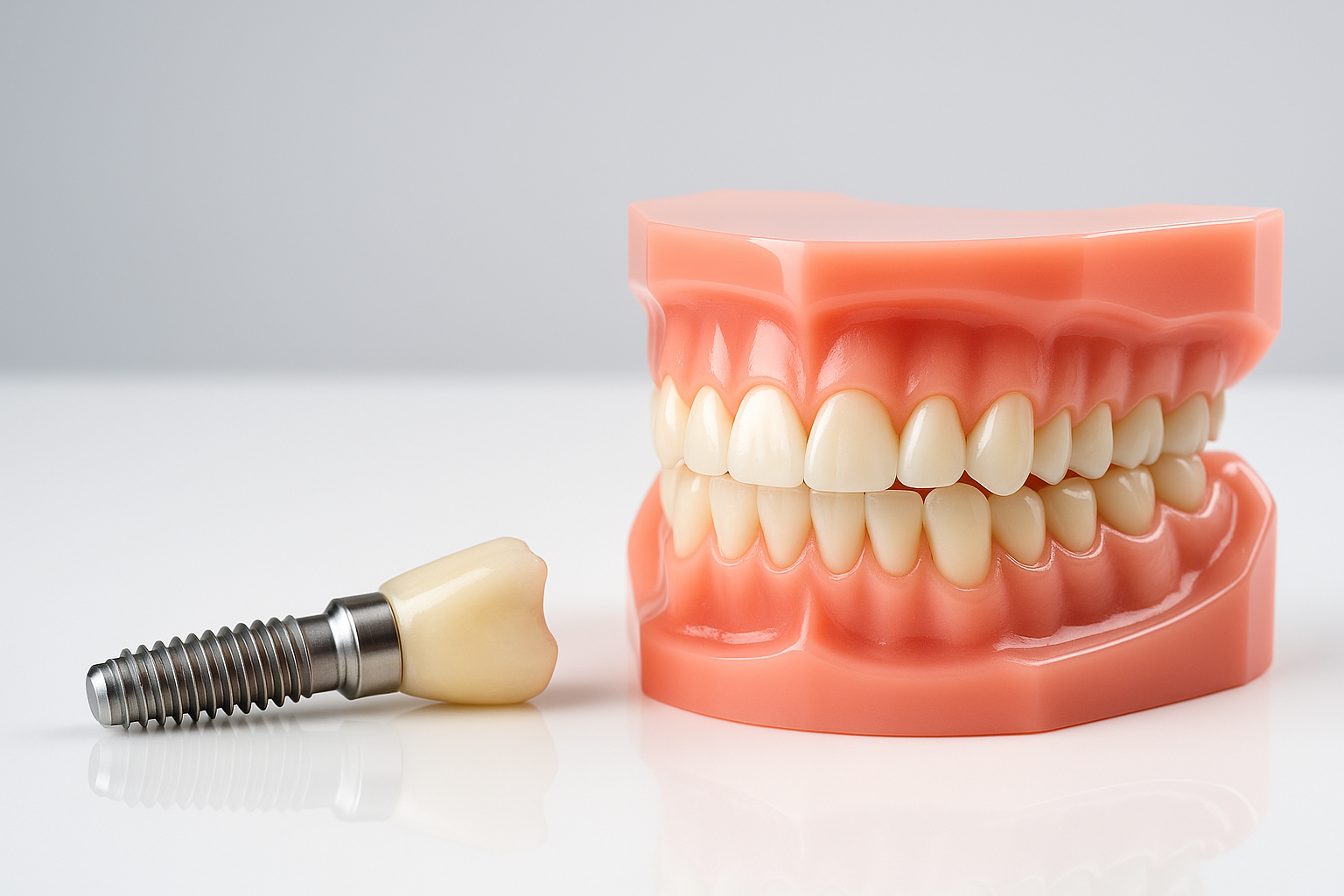
What happens if an All-on-4 dental implant fails? It’s not the most comfortable question to ask, but it’s an important one. If you’re considering All-on-4® treatment, you deserve honest answers about both the benefits and the risks. While dental implants have an excellent success rate, no medical or dental procedure comes with a 100 percent guarantee. Understanding what implant failure means, why it can happen, and how it’s treated can help you feel much more confident about making an informed decision.
The first thing to know is that implant failure is uncommon, especially when treatment is carefully planned and patients follow their dentist’s instructions during healing. However, uncommon doesn’t mean impossible. Just like a knee replacement or any other surgical procedure, there are factors that can affect how well your body heals.
The good news is that if an implant does fail, it doesn’t necessarily mean your entire treatment has failed. In many cases, there are solutions that allow treatment to move forward successfully.
What Does Implant Failure Actually Mean?
When people hear the words “implant failure,” they often picture the entire restoration falling out overnight.
That’s almost never what happens.
In dentistry, implant failure simply means that one or more implants did not successfully integrate with the jawbone or stopped functioning properly after they had healed. Sometimes this happens early during the healing process, while other times it can occur years later because of changes in the surrounding bone or gums.
Your dentist monitors healing carefully because the earlier a problem is identified, the easier it often is to manage.
Why Would an Implant Fail?
There isn’t one single reason.
Instead, implant failure is usually the result of several factors working together.
Smoking can reduce blood flow and slow healing. Uncontrolled diabetes may affect the body’s ability to heal after surgery. Poor oral hygiene can lead to inflammation around the implant, while heavy teeth grinding may place excessive force on the restoration over time.
Occasionally, an implant simply doesn’t bond to the bone the way everyone hoped, even when everything appears to have been done correctly.
That’s one reason follow-up appointments are so important. Healing isn’t something your dentist guesses about. It’s something they monitor carefully throughout the recovery process.
Early Failure Versus Late Failure
Dentists generally describe implant failure as either early or late.
Early failure happens before the implant has fully bonded with the jawbone. This usually occurs during the healing phase and may be related to healing complications, infection, or inadequate integration.
Late failure happens after an implant has already been functioning successfully for months or years. This is often associated with bone loss around the implant, untreated inflammation, excessive bite forces, or changes in a patient’s health over time.
Knowing the difference helps your dentist determine the most appropriate treatment if a problem develops.
Does One Failed Implant Mean Everything Has Failed?
Thankfully, no.
This is one of the biggest fears patients have, but it’s usually not how implant treatment works.
All on 4® treatment is carefully planned around multiple implants working together to support your new smile. If one implant develops a problem, your dentist will evaluate exactly what’s happening before recommending the next step.
Depending on the situation, the implant may be replaced after the area has healed, or another treatment approach may be recommended. Every case is different, which is why it’s impossible to assume the outcome without a proper examination.
The important thing to remember is that one complication doesn’t automatically erase the success of the entire treatment.
Can Implant Failure Be Prevented?
No dentist can promise that complications will never happen, but many risk factors can be reduced.
Choosing an experienced implant provider is one of the biggest steps you can take. Careful treatment planning, advanced CBCT imaging, and proper implant placement all contribute to long-term success.
After surgery, following your post-operative instructions is just as important. Keeping your follow-up appointments, maintaining excellent oral hygiene, avoiding tobacco during healing, and protecting your implants from excessive force all help create the best possible environment for success.
Think of dental implants as a partnership. Your dentist provides the treatment and expertise, while your daily habits help protect the investment for years to come.
Don’t Let Fear Keep You From Asking Questions
Some patients avoid talking about implant failure because they’re worried they’ll sound negative.
The opposite is true.
A good dentist welcomes these conversations because informed patients make better decisions.
Ask about success rates.
Ask what happens if complications occur.
Ask how your office monitors healing after surgery.
Ask what follow-up care looks like.
The more you understand before treatment begins, the more confident you’ll feel moving forward.
Final Thoughts
What happens if an All on 4 dental implant fails? While implant failure is uncommon, it’s important to understand that it can happen. Fortunately, a failed implant doesn’t automatically mean your entire treatment has failed. Modern implant dentistry offers several ways to address complications, and many patients still go on to enjoy successful long-term results.
At Full Arch Dental Implant Center, we believe patients deserve complete transparency about every aspect of treatment. That means celebrating the excellent success rates of modern dental implants while also explaining the potential risks and how they’re managed. Our goal is to help you feel informed, prepared, and confident as you make one of the most important decisions about your smile.