
How do you know if you’re a good candidate for All-on-4®? It’s one of the first questions people ask after learning about full arch dental implants, and it’s also one of the most important. If you’ve been living with missing teeth, failing dental work, or dentures that no longer fit the way they should, you’ve probably wondered whether this treatment could work for you.how do you know if you’re a good candidate for All-on-4? The good news is that many people who assume they aren’t candidates are often surprised after speaking with an experienced implant dentist.
It’s easy to make assumptions based on things you’ve read online or stories you’ve heard from friends and family. Some people believe they’re too old for dental implants. Others think they’ve waited too long because they’ve been missing teeth for years. Many assume that bone loss or gum disease automatically means they no longer have options. While these concerns are understandable, they rarely tell the whole story.
Determining whether you’re a good candidate for All-on-4® isn’t about checking a single box. Instead, your dentist looks at your overall oral health, your medical history, your jawbone, and your personal goals. Every patient is different, which is why the best way to find out if this treatment is right for you is through a comprehensive consultation.
What Is All on 4® Treatment? How do you know if you’re a good candidate for All on 4?
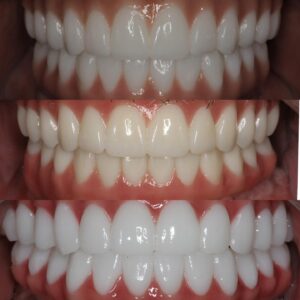
All-on-4® is a treatment designed for people who need to replace an entire upper arch, lower arch, or both. Instead of placing an implant for every missing tooth, four carefully positioned dental implants are used to support a full set of replacement teeth. This approach provides stability while reducing the number of implants needed.
For many patients, All-on-4® becomes an option after years of dealing with ongoing dental problems. Some have multiple broken teeth that can no longer be predictably repaired. Others have advanced gum disease that has caused their teeth to become loose. Many have worn dentures for years and are looking for a solution that feels more secure.
The goal isn’t simply to replace missing teeth. The goal is to restore your ability to eat comfortably, smile confidently, and enjoy daily life without constantly worrying about your teeth.
You Don’t Need Perfect Teeth to Qualify
One of the biggest misconceptions about dental implants is that your mouth has to be in excellent condition before treatment can even be considered.
The reality is just the opposite.
Most people seeking All-on-4® treatment already have significant dental problems. That’s why they’re researching their options in the first place.
Your dentist isn’t expecting you to have a healthy, perfect smile. Instead, they’re evaluating whether your current teeth can realistically provide a healthy future or whether replacing them would offer a more predictable long-term result.
If you’ve spent years dealing with broken crowns, repeated root canals, loose teeth, or constant infections, those issues don’t necessarily disqualify you. In many cases, they’re the very reason All on 4® treatment is being discussed.
Age Usually Isn’t the Deciding Factor
One of the most common questions patients ask is whether they’re too old for dental implants.
The answer surprises many people.
There is no specific age limit for All on 4® treatment.
Dentists are far more interested in your overall health than your age. A healthy seventy-five-year-old may be a better candidate than a forty-five-year-old with uncontrolled medical conditions that interfere with healing.
Every patient’s health is different, which is why your consultation includes a review of your medical history, medications, and any conditions that may affect treatment.
If you’ve been assuming you’re too old, don’t rule yourself out before you’ve had a professional evaluation.
Bone Loss Doesn’t Always Mean No
Many people avoid scheduling a consultation because they’ve been told they have bone loss.
Bone loss is extremely common after teeth are lost. Once a tooth is removed, the jawbone gradually begins to shrink because it’s no longer receiving stimulation from the tooth root. This is a natural process that happens over time.
Fortunately, modern implant dentistry has advanced tremendously.
With three-dimensional imaging and careful treatment planning, many patients with bone loss still qualify for All-on-4® treatment. Because the implants are strategically positioned, they often take advantage of stronger areas of the jaw.
Every situation is unique, but having bone loss doesn’t automatically mean dental implants are no longer possible.
Your Overall Health Matters
Your mouth isn’t the only thing your dentist evaluates.
Your overall health plays an important role in determining whether you’re a good candidate for treatment.
Conditions such as diabetes, heart disease, or osteoporosis don’t automatically prevent someone from receiving dental implants. However, they may require additional planning to ensure treatment is as safe and successful as possible.
Your dentist may also discuss medications you’re taking, whether you smoke, and any previous surgeries or medical conditions that could influence healing.
These conversations aren’t meant to eliminate patients from treatment. They’re meant to build the safest treatment plan possible.
What Happens During Your Consultation?
Many people put off scheduling a consultation because they worry they’ll be pressured into making a decision.
A good consultation shouldn’t feel like a sales presentation.
Instead, it should feel like a conversation.
Your dentist will discuss your concerns, examine your teeth and gums, take advanced imaging of your jaw, and explain what they see. You’ll have the opportunity to ask questions about treatment, recovery, costs, and any alternatives that may be available.
By the end of the appointment, you should understand why a particular recommendation is being made.
Even if you decide to wait before moving forward, you’ll leave with a much clearer understanding of your oral health than you had before.
Signs It May Be Time to Explore All on 4®
While only a dentist can determine whether you’re a candidate, there are several signs that it may be time to schedule a consultation.
You may have multiple teeth that are broken or beyond repair.
You may be losing teeth because of advanced gum disease.
You may wear dentures that slip, move, or make eating difficult.
You may feel embarrassed to smile because of your teeth.
Or perhaps you’re simply tired of spending money repairing one tooth after another without feeling like you’re making real progress.
If any of those situations sound familiar, it doesn’t necessarily mean All on 4® treatment is your only option. It does mean it’s worth learning more about what solutions are available.
The Decision Is Personal
Choosing All on 4® treatment isn’t about following what someone else did.
It’s about finding the solution that fits your health, your goals, and your lifestyle.
Some patients discover they still have healthy teeth worth saving.
Others learn that replacing failing teeth offers the best chance for long-term success.
Neither answer is right or wrong.
The important thing is making a decision based on accurate information rather than assumptions or fear.
The Bottom Line
How do you know if you’re a good candidate for All-on-4®? The answer comes from understanding your complete oral health, not just one symptom or one X-ray. Age, bone loss, and even years of dental problems don’t automatically prevent someone from receiving treatment. Many patients who believe they’ve run out of options are surprised to discover they still have solutions available.
The best first step is having an honest conversation with an experienced implant dentist who can evaluate your smile and explain your options. Whether All on 4® treatment is the right solution or another approach better fits your needs, you’ll have the information you need to make a confident decision about your oral health and your future.