Can dental implants get cavities? It’s a question many people don’t think to ask until they’re seriously considering dental implants. After all, if you’re investing in replacing missing teeth, you want to know what kind of maintenance they’ll need and whether you’ll still have to worry about cavities in the future.
The short answer is no. Dental implants cannot develop cavities the way natural teeth do because they’re made from materials like titanium and ceramic rather than natural tooth enamel. However, that doesn’t mean dental implants are maintenance free. While the implant itself can’t decay, the gums and bone surrounding it can still develop problems if they aren’t properly cared for.
Understanding the difference between cavities and implant disease is one of the most important parts of protecting your new smile for years to come.
Why Natural Teeth Get Cavities
To understand why dental implants don’t get cavities, it helps to know how cavities form in the first place.
Your natural teeth are covered by enamel, which is the hardest substance in the human body. Even though enamel is incredibly strong, it’s constantly exposed to bacteria, acids, and sugars from the foods and drinks we consume.
When plaque isn’t removed through brushing and flossing, bacteria begin producing acids that slowly wear away the enamel. Over time, those acids create tiny holes that continue growing deeper into the tooth. That’s what we know as a cavity.
Since dental implants aren’t made from natural tooth structure, bacteria can’t create cavities in them the same way they can in your natural teeth.
That’s one of the many advantages of replacing missing teeth with dental implants.
If Implants Can’t Get Cavities, Why Is Cleaning So Important?
This is where many people become confused.
Some patients hear that implants can’t get cavities and assume they no longer have to worry about brushing or flossing.
Unfortunately, that’s not true.
While the implant itself can’t decay, the tissues surrounding it still need to remain healthy.
Plaque and bacteria don’t just stick to natural teeth. They can also accumulate around dental implants. If plaque isn’t removed, it can irritate the gums and eventually affect the bone supporting the implant.
In other words, the concern shifts from protecting enamel to protecting the foundation that keeps your implant secure.
Healthy gums and healthy bone are just as important after dental implant treatment as they were before.
What Is Peri-Implant Disease?
One condition patients don’t hear about often enough is peri-implant disease.
Think of it as being somewhat similar to gum disease around natural teeth.
When bacteria build up around an implant, the surrounding gums can become inflamed. If the inflammation isn’t treated, it may eventually affect the bone supporting the implant.
This doesn’t happen overnight, and it certainly doesn’t happen to every patient.
In fact, many implant patients enjoy decades of healthy function because they maintain excellent oral hygiene and keep regular dental appointments.
The important thing is understanding that implants still require care.
Ignoring your oral hygiene simply because implants can’t get cavities can create other problems that are entirely preventable.
How Do You Care for Dental Implants?
The good news is that caring for dental implants isn’t complicated.
For most patients, the recommendations are very similar to caring for healthy natural teeth.
Brush thoroughly every day using the techniques recommended by your dental team.
Clean between your teeth or around your restoration as instructed.
Attend your routine hygiene appointments so your dentist can monitor your gums, implants, and overall oral health.
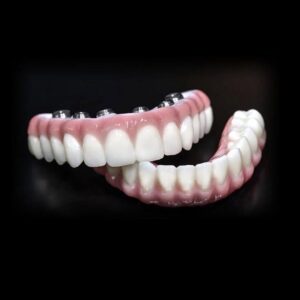
If you’ve received All on 4® treatment, your dentist may recommend specific cleaning tools designed for your restoration.
The exact routine depends on your treatment, but the goal is always the same.
Keep the tissues surrounding your implants healthy.
What Happens During Routine Implant Checkups?
Some people assume they no longer need regular dental visits after receiving implants.
Actually, those appointments become even more valuable.
During routine examinations, your dental team evaluates much more than your smile.
They check the health of your gums.
They examine the bone supporting your implants.
They evaluate your bite.
They inspect your restoration for normal wear.
Finding small concerns early often makes them much easier to manage before they become larger problems.
Regular maintenance is one of the best ways to help your implants remain healthy for many years.
Does This Mean Dental Implants Last Forever?
This is another common misconception.
Because dental implants can’t get cavities, some people believe they’ll never require maintenance.
Like any part of your body, dental implants benefit from ongoing care.
The implant itself is designed to be a long-term solution, but the restoration attached to it may eventually need adjustments or replacement because of normal wear.
That’s completely normal.
Think about replacing the tires on a car.
The vehicle itself may last for many years, but certain components naturally wear over time.
Dental implants work in much the same way.
Proper maintenance helps everything continue functioning the way it was designed.
The Bottom Line
Can dental implants get cavities? No, they can’t. Unlike natural teeth, dental implants aren’t made from enamel, so they cannot develop cavities.
However, that doesn’t mean they’re maintenance free. Healthy gums, healthy bone, regular dental visits, and good daily oral hygiene are all essential to protecting your investment and keeping your implants functioning for many years.
At Full Arch Dental Implant Center, we believe one of the best ways to ensure long-term success is through education. Understanding how to care for your dental implants is just as important as the treatment itself. With the right habits and regular professional care, your new smile can remain healthy, comfortable, and dependable for years to come.