How long do All-on-4® dental implants last? If you are considering making a major investment in your smile, this is one of the most important questions you can ask. You are not simply choosing how your teeth will look next month. You want to know whether your new smile can continue functioning years from now and what you will need to do to take care of it.
The answer is not as simple as giving every patient an expiration date. All-on-4® treatment has several components, and they do not necessarily age in exactly the same way. The implants placed in your jaw are one part of the treatment, while the full arch restoration attached to them is another. Your oral hygiene, general health, bite, smoking habits, teeth grinding, and routine dental maintenance can all influence long term results.
Dental implants are designed as a long term tooth replacement solution. That does not mean they should be treated as something that can never experience a problem. Understanding what determines their lifespan can help you protect the time, money, and effort you have invested in rebuilding your smile.
The Implants and the Teeth Are Not the Same Thing
This distinction is important when answering how long do All-on-4® dental implants last.
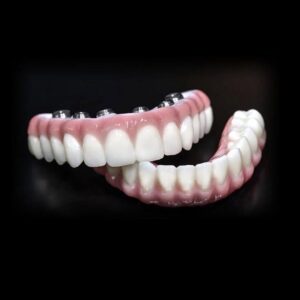
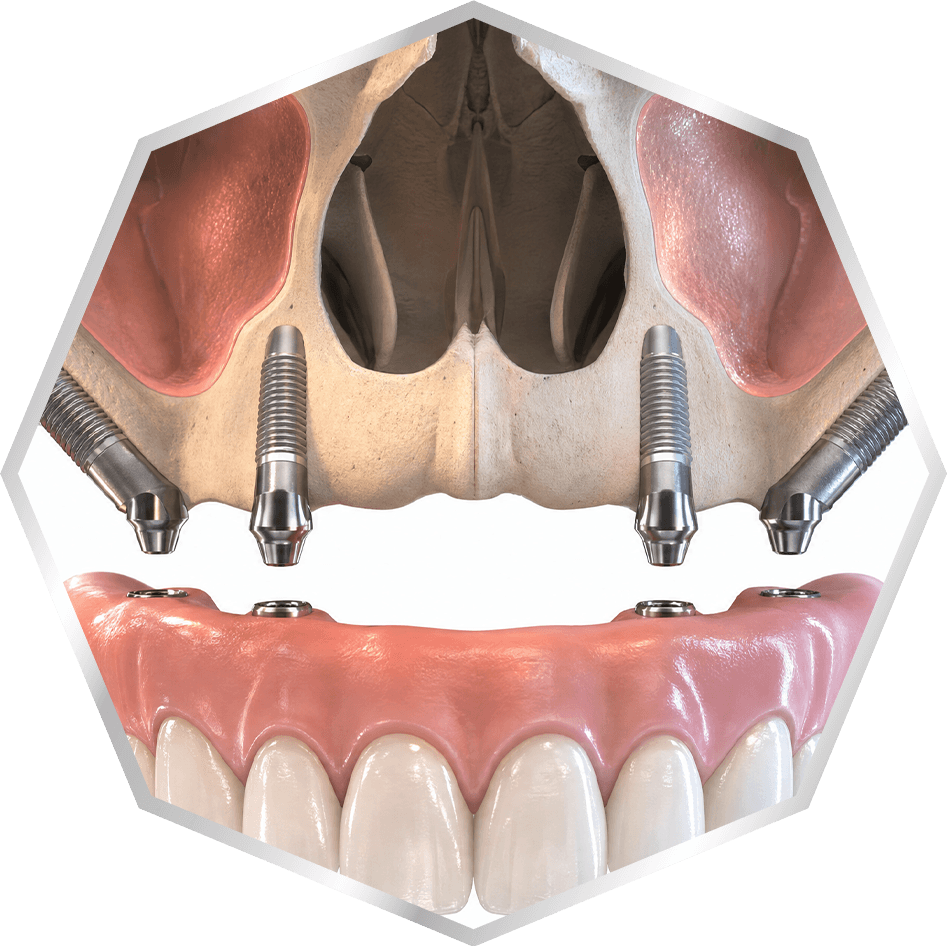
The dental implants themselves are placed into your jawbone. These implants create the foundation that supports your full arch restoration.
The visible teeth are part of a restoration attached to those implants.
Patients sometimes think of the entire system as one permanent object, but it is more useful to understand that there are different components. The implants may remain healthy and stable while the restoration above them experiences normal wear over time.
Think about natural teeth for comparison. A healthy tooth root can remain strong while a crown placed over that tooth eventually needs maintenance or replacement.
All-on-4® treatment has its own maintenance needs as well.
Can Dental Implants Really Last for Decades?
Dental implants have been used successfully for many years, and properly maintained implants can provide long term function.
However, no responsible dentist can look at a patient before treatment and promise that an implant will last for a specific number of years.
Your body is involved.
The bone and gum tissue surrounding the implants need to remain healthy. Medical conditions can change. Oral hygiene habits can change. Your bite can change. You may begin grinding your teeth later in life. A restoration can experience wear.
This is why long term success is better viewed as something you and your dental team continue protecting rather than something guaranteed on the day of surgery.
What Happens to the Restoration Over Time?
Even when the implants underneath remain healthy, the teeth attached to them experience years of daily use.
Think about how often your teeth come together during an average day. You eat breakfast, lunch, dinner, and snacks. You talk. You swallow. You may clench your jaw when concentrating or grind your teeth while sleeping.
Those forces add up over thousands of days.
Depending on the material used and your individual habits, the restoration may eventually experience wear. A tooth may chip, the surface may become worn, or another component may require maintenance.
This does not automatically mean the implants have failed.
One of the reasons routine appointments matter is that your dentist can evaluate both parts of the treatment: the implants underneath and the restoration above them.
How Long Do All-on-4® Dental Implants Last With Good Care?
When people search how long do All-on-4® dental implants last, they often hope to find one number. The reality is that good care can have a major influence on longevity.
Daily cleaning is essential.
Although implant supported teeth cannot develop cavities like natural teeth, plaque and bacteria can still accumulate around the gums and implants. If those areas are not properly cleaned, inflammation can develop in the tissues supporting your implants.
That is why you still need to brush and clean underneath your All-on-4® restoration.
Your dental team may recommend tools such as specialized floss, floss threaders, interdental brushes, or a water flosser depending on the design of your restoration.
A few minutes of cleaning every day can be one of the most important things you do to protect a treatment designed to serve you for many years.
Why Professional Maintenance Still Matters
One misconception about dental implants is that receiving them means you no longer need regular dental visits.
You absolutely still need maintenance.
During these appointments, your dental team can evaluate the health of your gums and tissues around the implants. They can also inspect your restoration, check your bite, and look for signs of excessive wear.
Professional cleaning can reach areas that may be difficult for you to access at home.
These appointments also create an opportunity to identify small changes early.
A minor bite adjustment is much easier to address than ignoring excessive force for years. Mild gum inflammation is much easier to manage than waiting until significant supporting tissue has been affected.
Long term implant care is largely about preventing small issues from becoming larger ones.
Smoking Can Affect Long Term Implant Health
Smoking deserves special attention because it can affect both healing and long term oral health.
Tobacco use can interfere with blood flow and the body’s ability to maintain healthy tissues. Smokers may face an increased risk of complications around dental implants.
If you smoke, be honest with your implant dentist.
Hiding the habit does not protect your eligibility for treatment. It prevents your dental team from accurately evaluating your risk and discussing ways to improve your chances of success.
If All-on-4® treatment becomes your motivation to quit smoking, that decision can benefit much more than your dental implants.
What About Teeth Grinding?
Grinding and clenching can place significant force on an All-on-4® restoration.
Some people know they grind their teeth because they wake up with headaches or jaw soreness. Others do it while sleeping and have no idea until their dentist notices signs of wear.
If you have a history of bruxism, tell your implant dentist before treatment.
Your bite can be carefully evaluated, and your dentist may recommend a protective appliance for use at night depending on your situation.
Even after your treatment is complete, changes in your bite or grinding habits should be monitored.
If you notice that your teeth seem to be contacting differently or your jaw suddenly feels sore in the morning, mention it at your next appointment.
Your Health Can Change Over the Years
One reason it is difficult to promise exactly how long All-on-4® will last is that none of us can predict our health decades into the future.
You may develop a new medical condition or begin taking a medication you did not use when your implants were originally placed.
This does not mean something will automatically happen to your implants.
It simply means your dental team should remain informed about changes in your health.
Update your medical history during dental appointments. Tell your dentist about new medications, diagnoses, surgeries, or other major health changes.
Dental implant maintenance should evolve with you.
What Signs Should You Never Ignore?
Once your All-on-4® restoration has been part of your life for a while, you will become familiar with how it normally feels.
That makes changes important.
If your restoration suddenly feels different, something seems loose, your bite changes, or you notice persistent swelling, bleeding, tenderness, or an unusual taste around an implant, contact your dental office.
Do not wait for a routine appointment simply because there is no severe pain.
Dental implant problems do not always announce themselves with dramatic symptoms.
Having something evaluated early gives your dental team an opportunity to determine what is happening before the problem has more time to progress.
Does All-on-4® Need to Be Replaced Eventually?
Patients sometimes ask whether their entire smile will automatically need to be replaced after a certain number of years.
There is no universal replacement date.
The implants and restoration need to be evaluated based on their actual condition rather than their age alone.
Your restoration may eventually require repair, maintenance, or replacement because of normal wear. That does not necessarily mean the implants underneath need to be replaced.
This is another reason long term follow-up with an implant dental team is valuable. They can help you understand which part of the system requires attention rather than assuming everything needs to be redone.
Protecting All-on-4® Is a Long Term Partnership
It can be tempting to think of All-on-4® treatment as a finish line.
You spend years dealing with failing teeth. You finally make the decision to replace them. You go through surgery and recovery. Eventually, you receive your final restoration.
It feels like the dental problem is finally finished.
In many ways, it is the beginning of something new.
Your focus shifts from repeatedly repairing failing teeth to maintaining the health of your implants and restoration.
That maintenance is generally much easier when it becomes part of your routine from the beginning.
Clean your restoration every day. Attend your recommended maintenance visits. Protect your teeth if you grind. Avoid using them to bite or open objects they were never designed to handle. Tell your dentist when something changes.
Those habits may seem small, but over many years they matter.
How Long Do All-on-4® Dental Implants Last?
How long do All-on-4® dental implants last? They are designed to be a long term solution for replacing an entire arch of teeth, but there is no single lifespan that applies to every patient. The implants themselves and the restoration they support are different components, and each needs to be monitored and maintained over time.
Your daily oral hygiene, professional maintenance, health, smoking habits, bite, and teeth grinding can all influence the long term health of your treatment.
At Full Arch Dental Implant Center, we believe patients should understand that protecting an All-on-4® smile continues long after the day the implants are placed. Our goal is not simply to help you receive new teeth. It is to give you the information and ongoing care you need to protect your new smile for as many years as possible.