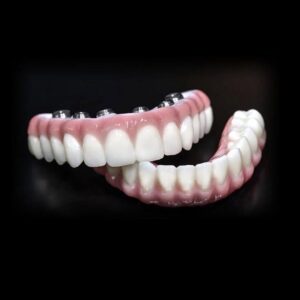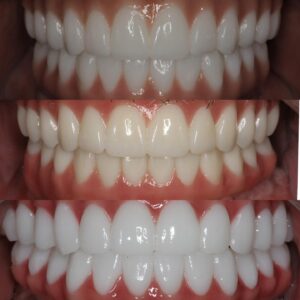

Will All-on-4® dental implants feel like real teeth? It is one of those questions that can be difficult to answer just by looking at before and after photos. A new smile may look incredibly natural, but if you are considering replacing an entire arch of teeth, you probably want to know what living with those teeth is actually going to feel like. Will you notice them when you talk? Will eating feel strange? Will they feel more like dentures or more like the teeth you remember having?
The most realistic answer is that All-on-4® teeth are not natural teeth, so you should not expect them to feel exactly the same. However, they are supported very differently from traditional removable dentures. Because the restoration is secured by dental implants placed in the jaw, it is designed to provide a stable foundation for everyday activities like speaking and chewing.
There is also an adjustment period. Your mouth has to get used to the shape, position, and feel of your new teeth. For someone who has spent years with missing teeth, failing teeth, or loose dentures, that change can be significant. Understanding what is normal during this adjustment can make the experience much less confusing.
Why All-on-4® Feels Different From Traditional Dentures
Traditional dentures rest primarily on the gums and underlying tissues. They are removable, and their stability can change as the shape of the jaw changes over time.
Some people function very well with dentures. Others struggle with movement while eating, speaking, or laughing. Adhesives may help, but they do not change the fact that the denture is sitting on top of the gums rather than being supported by implants in the jaw.
All-on-4® works differently.
Dental implants are placed into the jawbone and used to support the full arch restoration. This creates a much more stable foundation than a traditional removable denture.
That stability is one of the biggest differences patients tend to notice. You are not relying on adhesive to keep the restoration from moving during normal daily activities.
However, stable does not mean identical to natural teeth. There are still differences in how the restoration feels, how you clean underneath it, and how your mouth senses pressure.
Will All-on-4® Dental Implants Feel Like Real Teeth When You Eat?
Will All-on-4® dental implants feel like real teeth while eating? For many patients, chewing with implant supported teeth can feel much more stable than chewing with loose or uncomfortable dentures. However, you will not leave surgery and immediately begin eating every food you have missed.
The implants underneath your new teeth need time to heal.
During the early recovery period, your dentist will give you dietary restrictions designed to reduce unnecessary pressure on the healing implants. Even if the teeth themselves feel secure, the bone surrounding the implants is still going through an important healing process.
Once your dentist determines that healing has progressed appropriately, you can gradually return to a wider variety of foods.
This is where patience matters. Your mouth may feel good before your implants are ready for heavy chewing. Following your dentist’s instructions during this stage helps protect the foundation that your new teeth depend on.
Will Food Taste Different?
This is another question people sometimes hesitate to ask.
Your ability to taste comes primarily from taste receptors on your tongue and other areas of the mouth, not from your teeth themselves. Replacing teeth with an implant supported restoration does not remove your ability to taste food.
That said, anything that changes the shape or feel of your mouth can initially make eating feel different.
You may be paying much more attention to your new teeth during the first few meals. Foods may feel different against the restoration, and you may chew more carefully while you adjust.
Over time, many of these sensations become less noticeable as your brain gets used to your new normal.
What About Speaking?
Your teeth play an important role in speech. Your tongue interacts with them when forming certain sounds, which means changing the shape or position of your teeth can temporarily affect the way some words feel when you say them.
You may notice certain sounds more than others at first.
This does not necessarily mean something is wrong with your restoration. Your tongue has spent years learning where your old teeth were located. Now it has a new shape to work around.
Reading aloud at home can actually be helpful. It gives you an opportunity to practice speaking without feeling self-conscious about it.
If a speech issue continues or something about your bite or restoration does not feel right, tell your dental team. They can evaluate whether you are experiencing a normal adjustment or whether something should be checked.
Will You Be Able to Feel the Implants?
The implants themselves are underneath the gum tissue and inside the jawbone. You are not walking around feeling four pieces of titanium in your jaw all day.
What you are more likely to notice initially is the restoration attached to them.
During the early adjustment period, your new teeth may feel larger or simply different because your tongue is constantly exploring something new. This is especially true if you have been missing teeth for a long time.
Your brain is remarkably good at adapting to changes in your mouth. Something that feels impossible to ignore during the first few days can eventually become something you rarely think about.
This is similar to what happens when someone receives a new crown. At first, the tongue seems determined to inspect it every few seconds. Eventually, the brain accepts that it belongs there.
What Does Biting Feel Like?
Natural teeth and dental implants communicate pressure with your nervous system differently.
Natural teeth are surrounded by a periodontal ligament that helps provide sensory information when you bite. Dental implants are integrated directly with the jawbone and do not have that same ligament.
This means biting with implants can feel somewhat different from biting with natural teeth.
You can still sense pressure through the surrounding tissues, muscles, jaw, and other structures, but the sensation is not identical.
This is one reason learning your new bite takes time. Your dental team will also evaluate how your upper and lower teeth come together and make adjustments when necessary.
If one area feels like it is hitting much harder than another, mention it rather than assuming you simply need to get used to it.
What If You Have Worn Dentures for Years?
Someone who has worn dentures for twenty years may experience the transition differently from someone who had failing natural teeth immediately before All-on-4® treatment.
Long term denture wearers have often become very skilled at managing movement. They may unconsciously avoid certain foods, chew in a particular way, or use their tongue and cheek muscles to help stabilize their denture.
Moving to an implant supported restoration can require another adjustment because those old habits may no longer be necessary.
The increased stability can feel unusual simply because you are accustomed to something moving.
Give yourself time to adapt. Your mouth has spent years learning one way of functioning, and it may need more than a few days to learn another.
Will Your New Teeth Feel Bulky?
They may feel different at first.
Your restoration needs to be designed around your anatomy, implant positions, bite, and other factors. If you previously had missing or severely worn teeth, suddenly having a complete arch can create sensations you have not experienced in years.
Your tongue may notice the back of the restoration. Your lips and cheeks may interact with the teeth differently. Even smiling can initially feel unfamiliar.
That does not mean you will always be aware of them.
As you adjust, the new shape generally becomes more familiar. However, if something consistently feels uncomfortable, excessively bulky, or interferes with normal function, discuss it with your dental team.
There is a difference between adjusting to something new and living with something that needs to be evaluated.
Your Temporary and Final Teeth May Feel Different
Another important part of the All-on-4® process is understanding that the teeth you experience during one stage of treatment may not necessarily be the exact same restoration you have long term.
Depending on your treatment plan, you may wear a temporary restoration while the implants heal. This allows your dental team to protect the healing implants while also evaluating your bite, appearance, and function.
Your final restoration is created later in the treatment process.
That means you should communicate during your follow-up visits. If there is something you like or dislike about the way your temporary teeth feel, tell your dental team.
Those conversations can provide valuable information as your treatment progresses.
How Long Does It Take for All-on-4® to Feel Normal?
There is no exact day when every patient suddenly forgets they have new teeth.
Some people adjust quickly. Others need more time, particularly if they have experienced significant changes in their bite or have worn dentures for many years.
Instead of focusing on a deadline, look for gradual progress.
Speaking should become easier. Eating within your approved diet should feel more natural. Your tongue should become less obsessed with exploring the restoration. Everyday activities should gradually require less thought.
If that progress is not happening or something continues bothering you, bring it up during your follow-up appointments.
Will All-on-4® Dental Implants Feel Like Real Teeth?
Will All-on-4® dental implants feel like real teeth? They will not recreate every sensation of natural teeth because dental implants and natural tooth roots work differently. However, All-on-4® treatment is designed to provide a stable, implant supported foundation for a full arch of replacement teeth, which can feel very different from living with loose dentures, missing teeth, or severely failing natural teeth.
The adjustment does not happen instantly. Your tongue, muscles, bite, and even your brain need time to become familiar with your new smile. What feels unusual during the first days or weeks can become much more natural as you adapt.
At Full Arch Dental Implant Center, we believe patients should know what life after treatment actually involves, not just what their smile may look like in a photograph. Understanding how your new teeth may feel, how you will learn to eat with them, and what to expect during the adjustment period can help you enter All-on-4® treatment with realistic expectations and much more confidence.