What if I don’t have enough bone for dental implants? If you’ve been asking yourself that question, you’re not alone. In fact, it’s one of the most common concerns people have before scheduling a consultation. Many people assume that because they’ve been missing teeth for years or have been told they have bone loss, dental implants are automatically off the table.
The truth is, that’s not always the case.
While healthy jawbone is an important part of successful implant treatment, modern implant dentistry has come a long way. Today, dentists have more tools, techniques, and technology than ever before to evaluate bone loss and determine whether treatment is still possible. In many cases, patients who believed they weren’t candidates are surprised to learn they have options they never knew existed.
Before ruling yourself out, it’s helpful to understand why bone loss happens, how it’s evaluated, and why a consultation is often the only way to know what’s truly possible.
Why Does Bone Loss Happen?
Most people don’t realize that your jawbone needs stimulation to stay healthy.
Every time you bite and chew, the roots of your natural teeth transfer pressure into the jawbone. That stimulation signals your body to maintain the bone surrounding those teeth. When a tooth is lost, that stimulation disappears. Over time, the body begins to resorb, or shrink, the bone that once supported the missing tooth.
This process doesn’t usually happen overnight. It occurs gradually over months and years, which is why someone who recently lost a tooth may have very different bone levels than someone who has been missing teeth for a decade.
Bone loss can also occur because of advanced gum disease. When gum disease damages the tissues supporting your teeth, it can eventually affect the surrounding bone as well. Trauma, infection, and certain medical conditions may also contribute to changes in the jaw over time.
Bone Loss Doesn’t Always Mean You’re Not a Candidate
One of the biggest myths about dental implants is that significant bone loss automatically means treatment isn’t possible.
That’s simply not true.
While there are situations where bone loss presents additional challenges, it’s no longer accurate to assume that missing bone automatically eliminates your options. Advances in imaging, treatment planning, and implant techniques have made it possible to help many patients who would have been considered poor candidates years ago.
This is one reason dentists rarely make recommendations based on a simple visual examination. Two patients may appear to have similar smiles, but their jawbone may look completely different on a three-dimensional scan.
That’s why it’s important not to diagnose yourself based on something you’ve read online or heard from a friend.
How Does a Dentist Know If You Have Enough Bone?
During your consultation, your dentist will use advanced imaging to evaluate your jaw in three dimensions.
Unlike traditional dental X-rays, modern scans provide detailed information about the height, width, and density of your jawbone. They also allow your dentist to identify important anatomical structures, helping them carefully plan where implants can be placed safely.
These scans often answer questions that simply can’t be answered during a routine examination.
You may have more available bone than you expected.
Or your dentist may identify areas where additional treatment could improve your chances of long-term success.
Either way, the information allows treatment decisions to be based on facts rather than assumptions.
What If You Really Don’t Have Enough Bone?
If imaging shows that bone loss is significant, don’t assume the conversation is over.
Depending on your individual situation, your dentist may discuss several possible approaches.
Some patients benefit from bone grafting, a procedure designed to rebuild or preserve bone in certain areas before implants are placed. Others may qualify for advanced implant techniques that take advantage of stronger areas of the jaw without requiring extensive grafting.
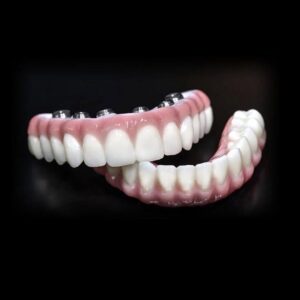
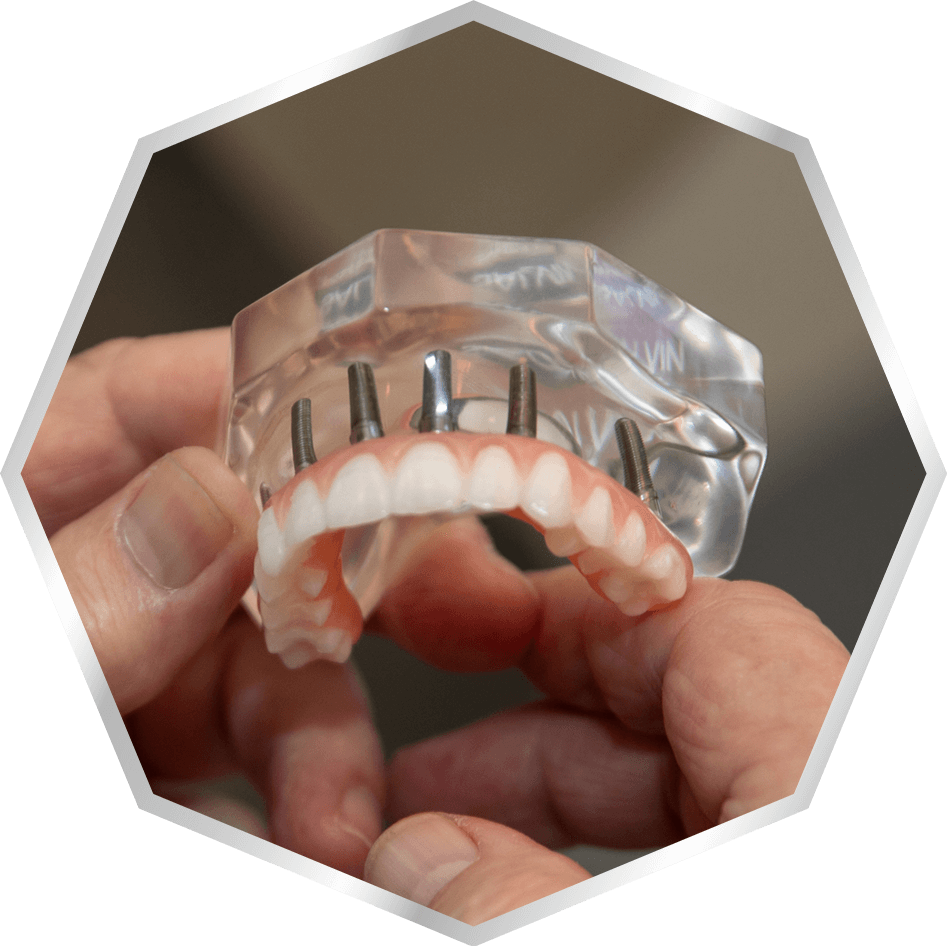
For patients considering All on 4® treatment, treatment planning is often different than replacing a single missing tooth. Because the implants are strategically positioned to maximize available bone, some patients who have experienced bone loss may still be candidates without requiring the same procedures that traditional implant placement might involve.
The important point is that there isn’t one solution that works for everyone. Your treatment plan should be designed around your anatomy, your health, and your long-term goals.
Why Waiting Can Make Bone Loss Worse
One question patients don’t always ask is what happens if they continue waiting.
Bone naturally changes after teeth are lost, and those changes continue over time. While the rate varies from person to person, delaying treatment may allow additional bone loss to occur.
That doesn’t mean you should rush into a decision.
It simply means that learning about your options sooner rather than later gives you more information to work with. Even if you decide to postpone treatment, understanding your current oral health allows you to make informed decisions instead of guessing.
Many patients say their biggest regret wasn’t waiting a few months.
It was waiting several years because they assumed they had no options.
Don’t Let the Internet Decide for You
The internet can be a wonderful place to learn, but it can also create unnecessary fear.
One website says bone loss means implants are impossible.
Another says everyone needs bone grafting.
Someone on social media shares a story that sounds exactly like yours.
The problem is that none of those people have examined your mouth.
Your oral health is unique.
The amount of bone you have, the condition of your gums, your medical history, and your treatment goals all play a role in determining what’s possible.
That’s why online research should never replace a comprehensive evaluation by an experienced implant provider.
The Best Time to Ask Is Before You Rule Yourself Out
It’s surprisingly common for patients to call an implant office with an apology before they’ve even scheduled an appointment.
“I probably don’t qualify.”
“I’ve been missing teeth too long.”
“I know I have bone loss.”
Many of those same patients are surprised by what they learn during their consultation.
Even if dental implants aren’t the right solution, you’ll leave with a much better understanding of your oral health and the options available to you.
The consultation isn’t about convincing you to move forward.
It’s about giving you accurate information so you can make the decision that’s best for your future.
The Bottom Line
What if I don’t have enough bone for dental implants? The only honest answer is that you won’t know until your jaw has been properly evaluated.
Bone loss is common, especially after teeth have been missing for several years, but it doesn’t automatically mean dental implants are no longer an option. Modern technology and advanced treatment planning have made it possible to help many patients who once believed they had run out of choices.
At Full Arch Dental Implant Center, every treatment plan begins with understanding your unique situation. Through advanced imaging, comprehensive evaluation, and personalized recommendations, we help patients explore what’s possible instead of assuming what isn’t. If you’ve been avoiding a consultation because you think you don’t have enough bone for dental implants, the best first step may simply be finding out where you truly stand.