All on 4 vs dentures is one of the most common comparisons people make when they’re exploring options for replacing missing teeth. If you’ve reached the point where several teeth are failing, you’re already wearing dentures, or your dentist has recommended full mouth restoration, you’re probably wondering which solution will give you the best quality of life.
The answer isn’t the same for everyone. Traditional dentures have helped millions of people restore their smiles, and they continue to be an excellent solution for many patients. At the same time, All on 4® treatment has changed what’s possible for people looking for a more stable, long term alternative.
Rather than asking which option is “better,” it’s more helpful to ask which one fits your lifestyle, your goals, your oral health, and your expectations. Understanding the differences between All on 4® treatment and traditional dentures can help you make a decision you’ll feel confident about for years to come.
How Traditional Dentures Work
Traditional dentures replace missing teeth by resting on top of your gums. They are custom made to fit the shape of your mouth and are removable, meaning you take them out for cleaning and while you sleep.
For many patients, dentures restore appearance and improve basic function after tooth loss. Modern dentures often look much more natural than people expect, and they remain an important treatment option in dentistry.
However, because dentures sit on the gums rather than being anchored to the jawbone, they rely on suction, adhesives, and the shape of your mouth for stability. As your jaw naturally changes over time, that fit can also change, sometimes leading to looseness or the need for adjustments.
This doesn’t happen to everyone, but it’s one of the reasons some denture wearers begin exploring alternatives.
How All on 4® Treatment Is Different
One of the biggest differences between dentures and All on 4® treatment is how they’re supported.
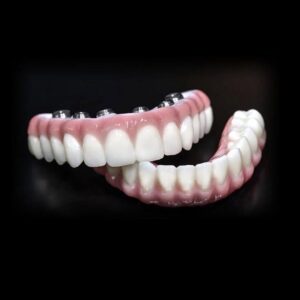
Instead of resting on the gums, All on 4® treatment uses dental implants that are placed into the jawbone. Those implants act as secure anchors for a full arch of replacement teeth.
Because the restoration is attached to implants, it doesn’t depend on suction or adhesive to stay in place. Many patients describe the feeling as being much closer to having natural teeth again because their smile feels stable during everyday activities.
That stability is one of the biggest reasons people begin researching All on 4 vs dentures. They’re not necessarily looking for a different smile. They’re looking for a different experience.
Eating Can Feel Very Different
Food is often one of the first things patients mention when comparing dentures and implant supported teeth.
Many denture wearers naturally begin avoiding foods that are difficult to chew. Sticky foods, crunchy vegetables, certain meats, nuts, and crusty bread may become challenging depending on how securely the dentures fit.
Over time, people often adjust without realizing it. They order different meals at restaurants, cut food into smaller pieces, or avoid certain favorites altogether.
With All on 4® treatment, many patients eventually return to eating a much wider variety of foods after healing is complete. Because the teeth are supported by implants, they don’t move around the way traditional dentures sometimes can.
Of course, healing takes time, and every patient is different, but restoring chewing ability is one of the primary goals of implant treatment.
Confidence Goes Beyond Your Smile
When people think about replacing missing teeth, they often focus on appearance first.
While appearance certainly matters, confidence is about much more than how your teeth look.
Some denture wearers worry about their dentures shifting while speaking.
Others become anxious during family dinners or social gatherings because they’re afraid their dentures may become loose.
Some avoid laughing freely because they’re self-conscious about movement.
Not everyone experiences these issues, but they’re common enough that many patients bring them up during their consultation.
Patients who choose All on 4® treatment often say the greatest benefit wasn’t simply having new teeth. It was no longer thinking about their teeth throughout the day.
Instead of wondering whether their smile would stay in place, they could simply enjoy conversations, meals, and time with family.
What About Maintenance?
Both treatment options require ongoing care.
Traditional dentures need to be removed daily for cleaning and are typically soaked overnight. They also require periodic adjustments or replacement as your mouth naturally changes over time.
All on 4® treatment isn’t maintenance free either.
Although the teeth are secured to implants, good oral hygiene remains essential. Regular professional cleanings, home care, and routine dental visits help protect the gums and supporting bone around the implants.
The difference isn’t whether maintenance exists.
It’s how that maintenance fits into your daily routine.
Your dentist will explain exactly what’s involved with each option so you know what to expect before making your decision.
Which Option Lasts Longer?
Longevity is another important part of the All on 4 vs dentures conversation.
Traditional dentures often need adjustments, relines, or replacement over time because the jaw naturally changes shape after teeth are lost.
Dental implants are designed as a long term solution. While the restoration attached to the implants may eventually require maintenance or replacement because of normal wear, the implants themselves are intended to provide lasting support when properly cared for.
Every patient is different, and no dental treatment lasts forever without maintenance, but many people appreciate the long term stability that implant supported restorations can provide.
Which One Is Right for You?
There’s no universal answer.
Some patients are perfectly happy wearing traditional dentures and have no interest in surgery.
Others know they want a solution that feels more secure and functions more like natural teeth.
Your oral health, jawbone, medical history, budget, and personal goals all play an important role in determining which option makes the most sense.
That’s why an individualized consultation is so valuable.
Rather than assuming one treatment is better than another, your dentist can explain the benefits and limitations of each based on your specific situation.
Frequently Asked Questions
Is All on 4® better than dentures?
Not necessarily. All on 4® treatment offers greater stability because the teeth are supported by dental implants, but traditional dentures remain an excellent option for many patients. The best choice depends on your oral health, lifestyle, and goals.
Can you eat better with All on 4® than dentures?
Many patients find that they can comfortably enjoy a wider variety of foods after healing is complete because implant supported teeth remain securely in place while chewing.
Are dentures more affordable than All on 4®?
Traditional dentures generally have a lower initial cost. However, when comparing long term value, it’s important to consider maintenance, adjustments, replacements, and your personal goals in addition to the upfront investment.
The Bottom Line
When comparing All on 4 vs dentures, there isn’t a one size fits all answer. Both treatments have helped countless people restore their smiles, improve their confidence, and enjoy a better quality of life.
The most important step isn’t deciding on your own. It’s understanding your options. During a comprehensive consultation, your dentist can evaluate your oral health, discuss your goals, and explain which treatment is most appropriate for your unique situation.
At Full Arch Dental Implant Center, we believe every patient deserves honest recommendations and personalized care. Whether traditional dentures or All on 4® treatment is the better fit for you, our goal is to help you make an informed decision that supports your health, your comfort, and your confidence for years to come.