Many patients wait much longer than they should before seeking treatment because they hope the problem will somehow stay the same. Unfortunately, broken teeth get worse over time in most cases, especially when the underlying issue is not fully treated. What begins as a small crack or damaged tooth can slowly develop into a much larger problem affecting multiple areas of the mouth.
Patients researching broken teeth that get worse over time are usually already experiencing this progression firsthand. A tooth that once caused only mild discomfort may suddenly become painful while eating. Small chips can turn into major fractures. Old dental work can begin failing without warning. Over time, daily activities become more stressful because patients never know when the next issue will happen.
One reason broken teeth continue worsening is that teeth absorb pressure constantly throughout the day. Every time you chew, bite, or grind your teeth, force is being applied to areas that may already be weakened. Once the structure of a tooth is compromised, it becomes much harder for that tooth to withstand normal daily function.
Another major issue is infection. Cracks and fractures can allow bacteria to enter deeper parts of the tooth, leading to inflammation, pain, or infection. Some patients searching for cracked tooth complications are already dealing with swelling, sensitivity, or repeated dental emergencies caused by teeth that were originally much smaller problems.
Many people try to adapt around broken teeth for years. They chew on one side of the mouth, avoid certain foods, or delay treatment because they are worried about cost or fear dental procedures. Unfortunately, delaying care often creates additional complications over time.
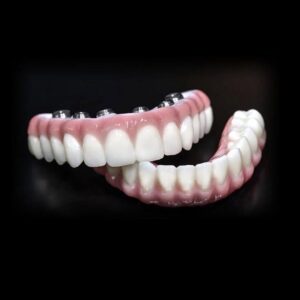
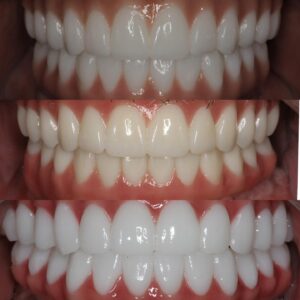
This is where patients begin looking into more comprehensive solutions like All on 4® treatment. When multiple teeth are failing or heavily damaged, repeatedly repairing individual teeth may no longer provide lasting stability. Full arch restoration offers a different approach by replacing the entire foundation instead of continuously managing separate problems.
Patients often ask whether severe damage means they have waited too long. In reality, many people with advanced dental problems still qualify for treatment. One of the most important parts of the consultation process is determining whether restoring the remaining teeth makes sense or whether a more stable long-term solution would provide better overall results.
Another concern patients have is whether treatment can truly restore normal function after years of damage. Many people become so used to discomfort and instability that they forget what normal chewing and eating should actually feel like. Once treatment is completed, patients are often surprised by how much daily stress disappears when they no longer have to worry about broken teeth constantly.
People researching severe tooth damage solutions are often emotionally exhausted long before they seek treatment. Constant dental problems create anxiety that follows patients everywhere. Every meal, conversation, or social interaction becomes tied to concerns about pain, appearance, or further damage.
At Full Arch Dental Implant Center, we frequently see patients who have spent years trying to manage worsening dental issues on their own. Understanding that broken teeth worsen over time is often the moment when patients realize they need a more permanent solution rather than another temporary repair.
If you are dealing with broken or failing teeth and hoping things will stabilize on their own, it may be important to understand how quickly these problems can progress. Getting clear answers early may help prevent much larger complications later.