The connection between tooth loss and nutrition is something many patients do not fully understand until they begin experiencing it themselves. Most people think missing teeth primarily affect appearance, but the reality is that tooth loss can have a significant impact on overall health, eating habits, and daily quality of life.
The connection between tooth loss and nutrition becomes clearer when patients start changing the foods they eat. At first, these adjustments may seem minor. Tough meats become difficult to chew. Raw vegetables are avoided. Crunchy fruits become less appealing. Over time, entire categories of healthy foods may gradually disappear from a person’s diet.
Many patients do not even realize these changes are happening because they occur so slowly.
When chewing becomes difficult or uncomfortable, people naturally choose foods that require less effort. Unfortunately, softer foods are often more processed and may not provide the same nutritional value as foods that require more chewing. This can make it harder to maintain a balanced diet over the years.
Patients researching nutrition and missing teeth are often surprised to learn that oral health and overall health are closely connected. The ability to chew properly is one of the first steps in the digestive process. When food is not broken down efficiently, it can affect how comfortably and effectively the body processes nutrients.
Another concern is protein intake. Many high protein foods require substantial chewing. Patients with significant tooth loss frequently avoid foods such as steak, chicken, nuts, and other protein sources because they are difficult to eat comfortably. Over time, this can limit dietary variety and nutritional balance.
The connection between tooth loss and nutrition also affects social habits. Many patients avoid restaurants, family gatherings, or social events because they worry about what they will be able to eat. What begins as a dental issue often expands into something that affects relationships and overall enjoyment of life.
There is also a psychological component. People who struggle to eat comfortably may become frustrated with meals and lose interest in maintaining healthy eating habits. Others may rely heavily on convenience foods because they are easier to manage. These choices often feel necessary at the time, but they can gradually affect long term health.
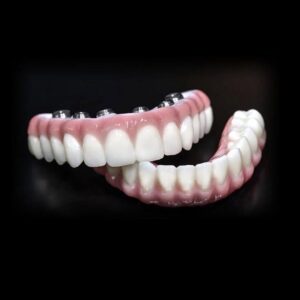
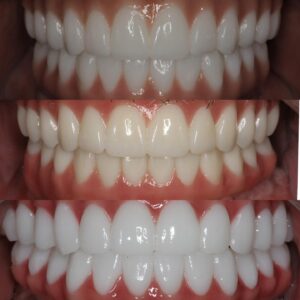
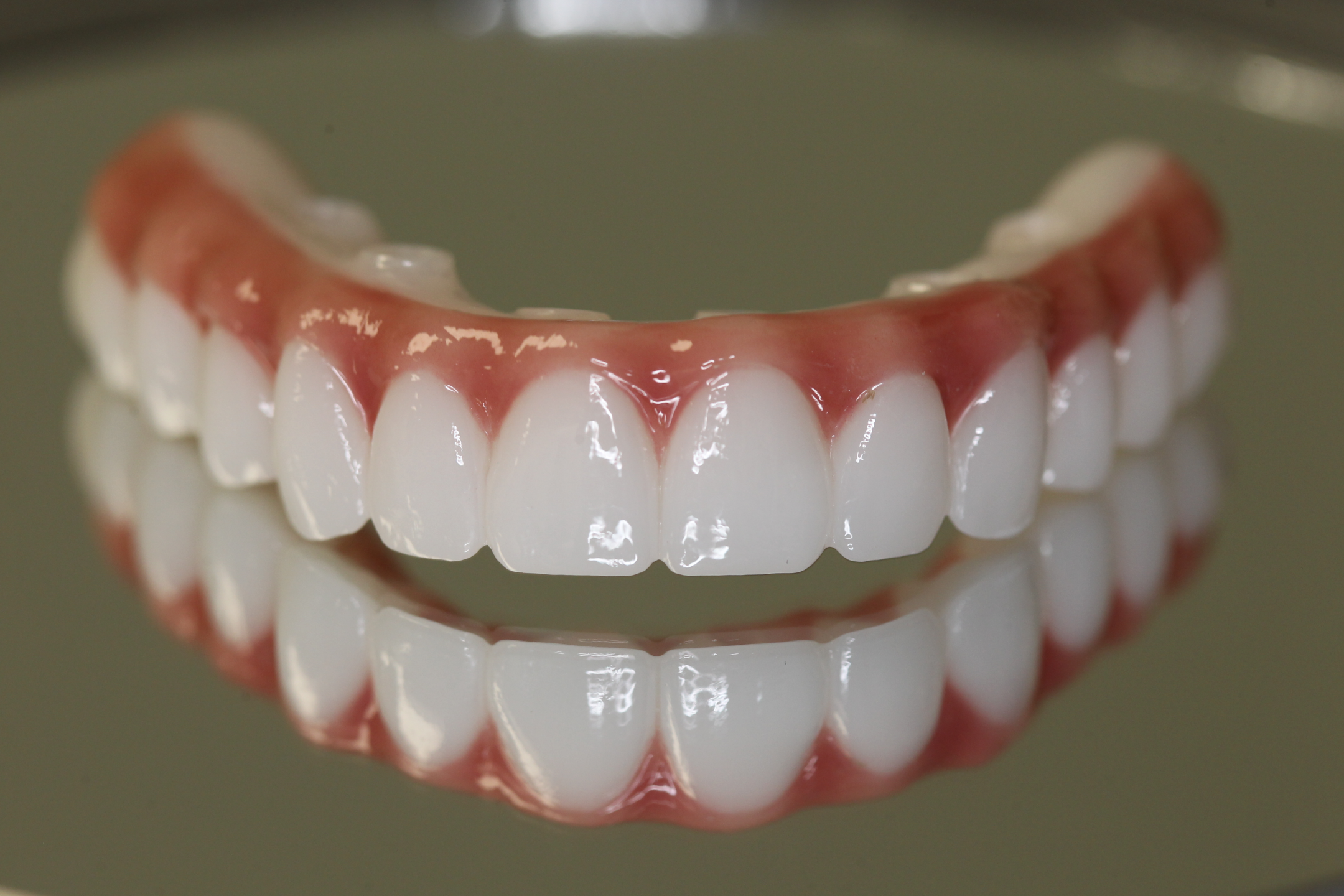
One of the reasons full arch restoration has become so important for many patients is because restoring teeth often means restoring food choices. Patients frequently describe being able to enjoy foods they have avoided for years. The ability to eat comfortably and confidently can dramatically improve both quality of life and nutritional flexibility.
Many patients focus on the cosmetic benefits of treatment when they first begin researching options. While appearance certainly matters, restoring chewing function is often one of the most meaningful improvements patients experience. Being able to enjoy meals without discomfort or limitations can feel life changing after years of adapting to tooth loss.
At Full Arch Dental Implant Center, we regularly meet patients who have spent years adjusting their diets around dental problems. Many do not realize how much their nutrition and overall wellness have been affected until they begin discussing their daily habits during a consultation.
Understanding the connection between tooth loss and nutrition helps patients see the bigger picture. Teeth are not simply part of a smile. They play a critical role in overall health, comfort, and quality of life.
For many patients, restoring their ability to eat comfortably is about much more than food. It is about regaining freedom, confidence, and the ability to fully enjoy everyday life again.