Can you get All on 4 if you grind your teeth? If you’ve been told that you grind or clench your teeth, you may be wondering whether that habit could prevent you from getting dental implants. This is an important question because All on 4® teeth are supported by implants placed in the jaw, and those implants have to handle the forces created every time you bite and chew. Grinding can create additional pressure, but it does not automatically mean that All on 4® treatment is out of the question.
Some people know they grind their teeth because they wake up with a sore jaw or headaches. Others have no idea until a dentist notices unusual wear on their teeth. Because grinding often happens while you’re asleep, it can continue for years without you realizing it.
If you’re considering full arch dental implants, your dentist will want to know whether grinding is part of your history. That information can help them plan your treatment and determine how your new smile should be protected after it’s completed.
What Is Teeth Grinding?
Teeth grinding is also known as bruxism. It usually involves grinding the teeth back and forth or tightly clenching the jaw, and it can happen during the day or while you’re sleeping.
Occasional clenching isn’t unusual. The concern is when it happens frequently or with enough force to damage your teeth.
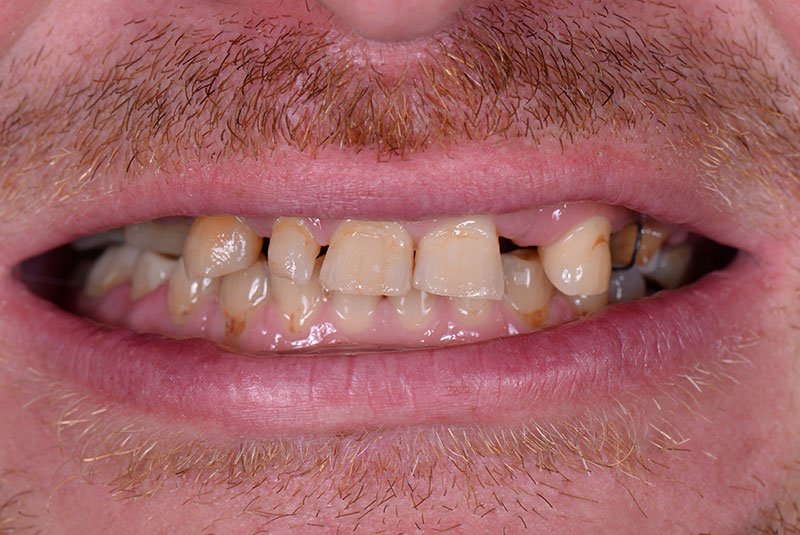
Over time, severe grinding can wear down natural enamel, crack teeth, damage crowns, create jaw soreness, and contribute to headaches. Some patients notice that their teeth gradually become shorter or flatter because years of grinding have worn away the biting surfaces.
The amount of force involved can be significant. That’s why a history of bruxism matters when planning dental implants.
How Does Grinding Affect Dental Implants?
Natural teeth have a small amount of movement because they’re connected to the jaw through the periodontal ligament. Dental implants work differently. Once an implant has successfully integrated with the jawbone, it creates a very stable connection.
That stability is one of the reasons dental implants work so well, but it also means your dentist needs to think carefully about how biting forces are distributed across the restoration.
Grinding can place repeated pressure on the implants and the teeth attached to them. This doesn’t mean the implants will suddenly fail because you clenched your jaw one night. The concern is the repeated force that can occur night after night over a long period of time.
Your dentist considers those forces when planning the position of your implants, designing your bite, and deciding how your final restoration should function.
Can You Get All on 4 If You Grind Your Teeth?
In many cases, yes.
If you’ve been wondering can you get All on 4 if you grind your teeth, the important thing to understand is that bruxism is a risk factor to evaluate, not necessarily a reason to deny treatment.
Your dentist will look for evidence of grinding during your examination. Worn teeth, chipped dental work, enlarged jaw muscles, and certain patterns of damage can provide clues. You may also be asked whether you experience morning headaches, jaw soreness, or have ever been told by a partner that they can hear you grinding while you sleep.
This information helps your dentist understand the amount of force your new restoration may need to handle.
Why Your Bite Matters So Much
All on 4® treatment is about much more than creating teeth that look attractive. Your bite needs to function correctly too.
When your upper and lower teeth come together, the pressure should be distributed in a controlled way. If one area receives significantly more force than another, it can create unnecessary stress on the restoration.
For someone who grinds their teeth, careful bite planning becomes even more important.
Your dentist may make adjustments during different stages of treatment to make sure your teeth come together properly. Your bite may also be checked during routine maintenance appointments because it can change over time.
These small adjustments can play an important role in protecting the larger investment you’ve made in your smile.
What About a Night Guard?
Depending on your situation, your dentist may recommend a protective appliance to wear while you sleep.
A night guard creates a protective barrier and can help manage the forces created by grinding and clenching. If you’ve worn a night guard for your natural teeth in the past, you may still need protection after receiving dental implants, although the appliance will need to be designed specifically for your new restoration.
This isn’t something you should purchase over the counter without discussing it with your implant dentist. All on 4® restorations have different needs than natural teeth, and your dentist can determine what type of protection is appropriate.
Wearing a protective appliance may seem like a small detail, but protecting your restoration from years of repeated grinding can be an important part of long-term maintenance.
Can Grinding Cause an Implant to Fail?
This is understandably where many people’s minds go when they learn that grinding creates additional force.
Dental implant failure can happen for several reasons, and excessive bite forces may be one factor your dentist considers. However, grinding doesn’t automatically mean an implant will fail.
There is a major difference between having an unmanaged problem and having a known risk factor that your dental team has planned for.
That’s why being honest about grinding is important. If you know you clench your jaw, tell your dentist. If you’ve previously broken crowns or chipped teeth repeatedly, mention that too. Those details may help explain what’s been happening in your mouth and give your dentist useful information for planning treatment.
How Do You Know If You Grind Your Teeth?
Not everyone knows.
If you sleep alone, there may never have been someone nearby to hear it happening. Some people don’t make much noise when they clench either.
Instead, the first signs may show up in the mouth.
Your teeth may look unusually flat or worn. You may repeatedly chip restorations. Your jaw may feel tired when you wake up, or you may notice tension around your temples.
A dental examination can often reveal signs that aren’t obvious when you look in the mirror.
If your dentist suspects bruxism, they can explain what they’re seeing and whether it could affect your treatment.
Protecting Your All on 4® Smile Long Term
Receiving your final teeth isn’t the end of caring for your implants.
Routine maintenance allows your dental team to check your implants, gums, restoration, and bite. For patients who grind, these appointments provide an opportunity to look for signs of excessive wear before they become larger problems.
Your dentist may also inspect any protective appliance you’re using and replace or adjust it when necessary.
If something feels different when you bite, don’t wait until your next routine appointment to mention it. A new sensation doesn’t necessarily mean something is wrong, but it’s always better to have changes evaluated rather than ignore them.
The goal is to protect your new smile before small issues have an opportunity to become expensive ones.
Planning Around the Person, Not Just the Procedure
One of the most important parts of implant dentistry is recognizing that every patient brings a different history into treatment.
Someone who has never smoked, rarely clenches their teeth, and has excellent bone health may require a different approach than someone who has spent decades grinding their teeth.
Neither person should receive a cookie-cutter treatment plan.
If bruxism has contributed to the damage of your natural teeth, understanding that history is especially valuable. Replacing damaged teeth without addressing the forces that helped damage them would ignore an important part of the problem.
A thoughtful implant plan looks at where you’ve been as well as where you want your smile to go.
Can You Get All on 4 If You Grind Your Teeth?
So, can you get All on 4 if you grind your teeth? For many people, grinding does not automatically prevent All on 4® treatment. It does mean your dentist should carefully evaluate your bite, your history of tooth wear, and the amount of force your new restoration may experience.
If you know you grind your teeth, don’t hide it because you’re worried it will disqualify you. That information actually helps your dentist plan more intelligently. With careful treatment planning, appropriate protection, and regular maintenance, your dental team can develop a strategy based on the way your mouth actually functions.
At Full Arch Dental Implant Center, treatment isn’t only about replacing the teeth you can see. It’s about understanding how your entire bite works and planning a smile that can function comfortably in everyday life. If grinding has damaged your teeth in the past, bringing that information into your consultation is one more way to help protect the smile you’re building for the future.