
Breaking the cycle of dental emergencies can feel impossible when it seems like there is always another tooth causing trouble. One month, a crown comes loose. A few months later, another tooth becomes infected. Then something breaks while you are eating dinner. For people with widespread dental problems, these emergencies can start to feel like a normal part of life. At some point, however, it may be worth asking whether treating one problem at a time is still the best approach or whether a larger solution, such as All on 4® treatment, should be considered.
Not every dental emergency means you need full arch dental implants. In fact, many individual dental problems can be treated successfully. However, when emergencies happen repeatedly across several teeth, it may be time to look at the condition of the entire mouth.
The goal is not to overreact to one broken tooth.
The goal is to understand why the problems keep happening.
When One Emergency Turns Into a Pattern
Almost everyone experiences a dental problem at some point.
A filling can break. A tooth can crack. An old crown can eventually need replacement.
One problem by itself does not necessarily mean there is a larger issue.
However, some patients begin noticing a pattern.
They have one dental emergency, get it treated, and feel relieved. Then another problem appears. After that is fixed, something else happens.
Over time, they start expecting bad news.
They may avoid certain foods because they are afraid another tooth will break. They might delay travel because they are worried about having a dental emergency away from home. Some patients become nervous every time they feel a strange sensation in their mouth.
That kind of uncertainty can become exhausting.
Breaking the cycle of dental emergencies starts with understanding whether each problem is truly separate or whether several teeth are failing for related reasons.
Why Do Dental Emergencies Keep Happening?
There are many reasons a person may experience repeated dental problems.
Sometimes the teeth have already been through years of dental work. A tooth may have a large filling, a crown, or a root canal. These treatments can help preserve teeth, but heavily treated teeth still need to be monitored over time.
Gum disease can also play a major role. Advanced gum disease can damage the tissues and bone that support the teeth. As that support is lost, teeth may become loose or shift position.
For other patients, grinding and clenching may contribute to repeated fractures and wear. Some people place tremendous pressure on their teeth without realizing it, especially while sleeping.
Missing teeth can also change the way pressure moves through the mouth. When several teeth are gone, the remaining teeth may have to work harder during chewing.
There is rarely one explanation that applies to every patient.
This is why a complete examination matters.
If a person has experienced several emergencies in a short period of time, the dentist needs to look beyond the tooth that hurts today.
The bigger question is what is happening throughout the mouth.
The Problem With Always Waiting for the Next Tooth
Emergency dental care is important.
When a tooth breaks, an infection develops, or severe pain begins, the immediate problem needs attention.
However, living from one emergency appointment to the next is different from having a long term dental plan.
Some patients become trapped in this cycle without realizing it.
They do not schedule an appointment until something hurts. The urgent problem gets treated, and then life becomes busy again. Months later, another tooth causes trouble.
This pattern can continue for years.
The problem is that emergency treatment is naturally focused on what needs attention right now. If several teeth are already in poor condition, treating only the most painful tooth may not answer the larger question of what is likely to happen next.
A comprehensive evaluation can help identify which teeth are healthy, which teeth need treatment, and which teeth may have a poor long term outlook.
That information can help a patient make decisions based on the whole picture rather than the latest emergency.
When Repairs Still Make Sense
It is important to be clear about this.
Having several dental problems does not automatically mean your teeth need to be removed.
If natural teeth can be successfully treated and maintained, saving them may be the right choice.
A dentist may recommend fillings, crowns, periodontal treatment, root canal treatment, or other procedures depending on the patient’s needs.
The important question is whether those treatments are part of a realistic long term plan.
For example, repairing one damaged tooth in an otherwise healthy mouth is very different from repairing one tooth when many others are loose, infected, or severely damaged.
Context matters.
Patients deserve to understand the condition of their entire mouth before making major decisions.
When a Bigger Solution May Be Worth Discussing
For some patients, repeated dental emergencies are a sign of widespread problems.
They may have several teeth that cannot be predictably maintained.
Some teeth may already be missing.
Others may be loose because of bone loss.
There may be old dental work failing in different areas of the mouth.
Eating may already be difficult.
In these situations, full arch treatment may become part of the conversation.
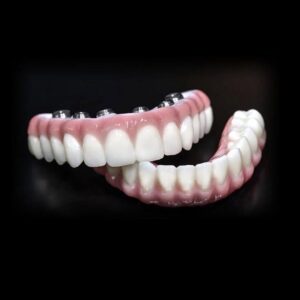
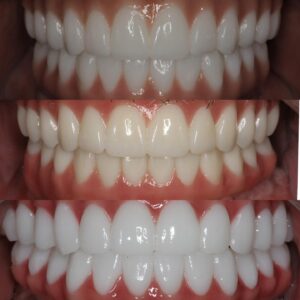
All on 4® treatment is designed for patients who need to replace a full arch of missing or failing teeth. Dental implants are placed in the jaw to support a complete arch of replacement teeth.
The purpose is not simply to fix the tooth causing pain today.
The goal is to create a stable plan for the entire arch.
This is a very different way of thinking about dental treatment, especially for someone who has spent years dealing with one problem at a time.
What Patients Are Really Looking For
When people begin researching All on 4® treatment, they are often looking for more than new teeth.
They are looking for predictability.
They want to go on vacation without wondering whether a tooth will break.
They want to eat dinner without carefully testing every bite.
They want to stop taking time away from work for unexpected appointments.
They want to know what the plan is.
Repeated dental emergencies can make a person feel like they have no control over what happens next.
A complete treatment plan can help change that.
Even if All on 4® treatment is not the right option, understanding the condition of the entire mouth can help patients make better decisions about their future care.
How Do You Know If Your Teeth Are Failing?
Sometimes the signs are obvious.
A tooth breaks.
An infection causes pain or swelling.
A tooth becomes noticeably loose.
Other signs can be easier to ignore.
You may notice that chewing feels different.
Perhaps you have started avoiding one side of your mouth.
Your gums may bleed regularly.
You may have persistent bad breath even after brushing.
Old crowns or bridges may continue causing problems.
You might feel like every dental visit reveals another major issue.
None of these symptoms alone can determine what treatment you need.
However, they are reasons to have a thorough evaluation.
Waiting for severe pain is not the only way to know that something needs attention.
Why the Consultation Matters
A consultation for repeated dental problems should help you understand the bigger picture.
The doctor needs to look at the teeth, gums, bite, and jawbone. Imaging can provide information about areas that are not visible during a regular examination.
Your dental history matters too.
How many teeth have been lost?
How many have needed major treatment?
Are infections happening repeatedly?
Are you having trouble eating?
Are your teeth becoming loose?
How much are these problems affecting your daily life?
The answers help create a clearer understanding of what is happening.
At Full Arch Dental Implant Center, we know that patients often arrive after a long history of dental treatment. They may have been trying to save their teeth for years. Some feel frustrated because, despite everything they have done, new problems continue to appear.
Our goal is to help patients understand where they are now.
Only then can we have a useful conversation about what comes next.
All on 4® Is Not an Emergency Fix
All on 4® treatment should not be viewed as a quick reaction to one bad tooth.
It is a comprehensive treatment option for appropriate patients who need full arch tooth replacement.
The process requires evaluation, planning, treatment, healing, and long term care.
Patients need to understand what the treatment involves before making a decision.
That includes learning about the surgical process, the healing period, food guidelines, daily cleaning, and professional maintenance.
A stable smile still needs care.
The difference is that the treatment is planned around the entire arch rather than reacting to one failing tooth at a time.
The Cost of Repeated Emergencies
There is also a practical side to repeated dental problems.
Emergency appointments take time.
They may mean leaving work early, changing plans, or trying to find help while in pain.
There can also be financial stress when major dental treatment is unexpected.
Again, this does not mean that full arch treatment is automatically less expensive than repairing natural teeth. Every situation is different, and patients should understand the costs and expected outcomes of their available options.
However, if you are spending money repeatedly on teeth with a poor long term outlook, it is reasonable to ask whether there is a larger plan that should be considered.
Patients should feel comfortable asking questions such as:
What is the long term outlook for my remaining teeth?
Which teeth are healthy?
Which teeth are likely to need major treatment?
Are these problems connected?
Would treating the entire arch make sense in my situation?
Clear answers can make difficult decisions easier.
Breaking the Cycle Starts With Information
Breaking the cycle of dental emergencies does not begin with choosing a procedure.
It begins with understanding what is happening.
Maybe your mouth can be stabilized by treating several individual problems.
Maybe gum disease needs to be addressed.
Maybe a combination of treatments is appropriate.
Or perhaps the condition of an entire arch has reached the point where All on 4® treatment should be discussed.
The right answer depends on the patient.
What matters is moving away from guessing and reacting.
At Full Arch Dental Implant Center, we help patients understand the condition of their teeth and learn about the options available to them. Some people come to us after years of broken teeth and emergency appointments. Others have already lost most of their teeth and want to understand what can be done.
There is no single story that brings someone to full arch treatment.
However, many patients share the same goal.
They want stability.
If you are tired of wondering which tooth will cause the next problem, it may be time to look at the bigger picture.
Breaking the cycle of dental emergencies starts with a complete evaluation, clear information, and a treatment plan designed around where your oral health is today and where you want it to be in the future.