Living with failing teeth is something that is difficult to understand unless you have experienced it yourself. Most people think about the physical symptoms first, but patients dealing with failing teeth often describe the emotional and mental impact as being just as challenging as the dental problems themselves.
Patients searching living with failing teeth are usually looking for answers because their situation has started affecting daily life in ways they never expected. What may have begun as a few damaged teeth has slowly turned into a constant source of stress, discomfort, and uncertainty.
One of the first things people notice is how much energy they spend thinking about their teeth every day.
Meals become complicated. Patients begin avoiding foods they once enjoyed because chewing feels uncomfortable or risky. Crunchy foods, tougher meats, and even certain fruits and vegetables may disappear from their diet altogether. Many people start chewing on one side of their mouth without realizing it because they are trying to protect weaker teeth.
Over time, eating becomes less about enjoyment and more about avoiding problems.
Another challenge of living with failing teeth is unpredictability. Patients often describe feeling like they are waiting for the next dental emergency to happen. A tooth that feels fine today may suddenly crack next week. A small ache can become a serious infection. Every unusual sensation creates anxiety because there is no way to know whether a bigger problem is developing.
Many patients searching effects of failing teeth are also struggling with confidence. Smiling becomes something they think about instead of something that happens naturally. Some avoid photographs. Others cover their mouths when they laugh. Social situations become stressful because they are constantly aware of the condition of their teeth.
The emotional impact can be significant.
People often feel embarrassed discussing their dental problems, even though severe dental issues are far more common than most realize. Some patients withdraw from social activities because they no longer feel comfortable speaking, eating, or smiling in public. Others become frustrated because they feel trapped in a cycle of temporary fixes that never fully solve the problem.
Another reality of living with failing teeth is the financial burden. Many patients spend years paying for repairs, extractions, crowns, fillings, and emergency visits. While each treatment may help temporarily, the larger problem often continues progressing in the background.
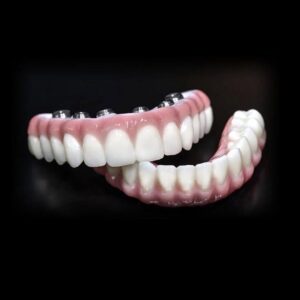
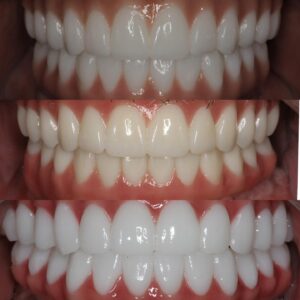
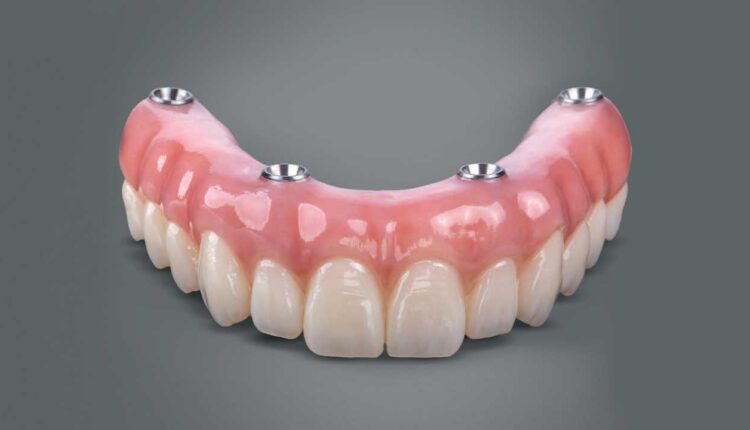
This is one reason many patients eventually begin researching full mouth restoration options. They become tired of managing symptoms and start looking for a solution that addresses the entire condition of the mouth rather than one tooth at a time.
Patients frequently ask whether their situation is as bad as it feels. The answer depends on the individual case, but one thing is consistent: failing teeth rarely improve without intervention. Understanding your options early often provides more opportunities and greater long term stability.
One of the most powerful moments during consultations occurs when patients realize they may not have to keep living this way. Many have spent so many years adapting to discomfort, embarrassment, and limitations that they have forgotten what normal feels like.
At Full Arch Dental Implant Center, we regularly meet patients who have been living with failing teeth for years and feel overwhelmed by their situation. The good news is that there are often more options available than they realize.
If you are living with failing teeth and wondering whether things can get better, the first step is understanding exactly what is happening and what solutions may be available. For many patients, that conversation becomes the beginning of a completely different future.