If you are wondering why people wait to replace missing teeth, the answer is usually much more complicated than simply putting off a dental appointment. Most patients who experience tooth loss never intended to leave the problem untreated for months or years. Life gets busy, priorities shift, finances become a concern, and before they know it, a temporary situation has become a permanent part of daily life.
Patients researching why people wait to replace missing teeth are often in exactly that position themselves. They may have lost one tooth years ago and assumed it was not a major issue. Now they are noticing additional dental problems developing and wondering if the missing tooth is connected.
In many cases, it is.
One of the biggest reasons people delay treatment is that missing teeth do not always cause immediate pain. If a tooth is not hurting, it can be easy to assume the problem is not urgent. Unlike a broken arm or severe toothache, tooth loss often progresses quietly in the background.
The problem is that the mouth continues changing even when there are no obvious symptoms.
When a tooth is lost, neighboring teeth can begin shifting into the space. The bite may slowly change. Chewing forces become uneven. Over time, these changes can place additional stress on remaining teeth, increasing wear and creating new problems that did not exist before.
Patients searching for untreated missing teeth are often surprised to learn that losing a single tooth can affect much more than appearance. Missing teeth can influence chewing ability, speech patterns, bite alignment, and even the stability of surrounding teeth.
Another reason people delay treatment is fear. Some patients worry about dental procedures. Others fear being judged because of the condition of their teeth. Many assume that treatment will be more expensive or more complicated than it actually is. Unfortunately, fear often prevents people from getting the information they need to make informed decisions.
There is also a psychological adjustment that happens after tooth loss. Humans are remarkably adaptable. Patients learn to chew differently, smile differently, and avoid certain foods. Over time, those adjustments start feeling normal even though they are actually signs that daily life is being affected.
Many patients do not realize how much they have adapted until they begin exploring replacement options.
Another concern is the belief that if one missing tooth has not caused problems yet, additional waiting will not matter. The reality is that changes associated with tooth loss often happen gradually. By the time noticeable symptoms appear, significant changes may already have occurred.
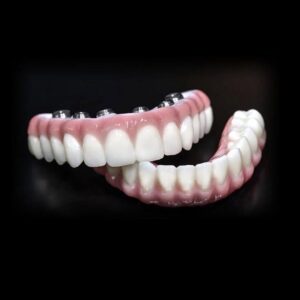
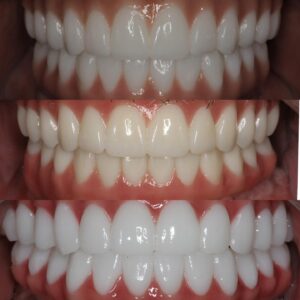
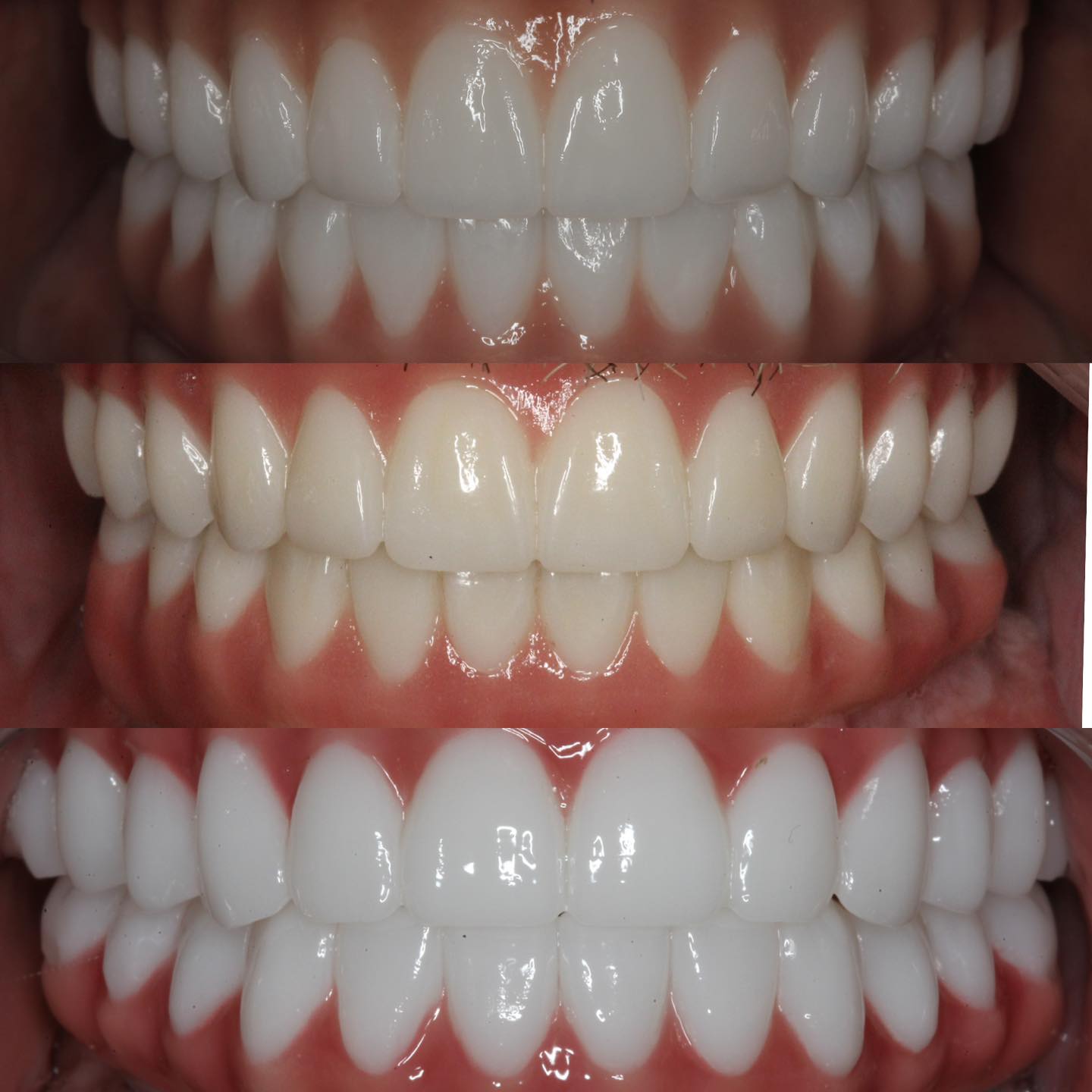
Patients researching the consequences of tooth loss are usually trying to understand whether treatment is still worth pursuing after years of waiting. The encouraging news is that many people who delayed treatment still have excellent options available. Modern full arch solutions, such as All on 4® treatment, have helped many patients restore both function and confidence even after extended periods of tooth loss.
One of the most common comments we hear from patients is, “I wish I had done this sooner.” Not because treatment was difficult, but because they spent years adapting to limitations they no longer have to live with.
At Full Arch Dental Implant Center, we understand that every patient has their own reasons for waiting. Our goal is not to focus on the past. It is to help patients understand their current situation and identify the best path forward.
If you have been wondering why people wait to replace missing teeth, you are certainly not alone. The more important question is whether now might be the right time to learn about your options and take the first step toward a healthier, more comfortable future.